Hip flexor releases for lower back stiffness: quick relief and lasting mobility
Hip flexor releases for lower back stiffness can provide fast, tangible relief when tight hips pull on the pelvis and spine. If you sit for long periods or have recurrent low back discomfort, targeted psoas and iliacus work often reduces stiffness and improves movement.
Why tight hip flexors cause lower back stiffness
The hip flexors—principally the psoas major and iliacus (together called the iliopsoas)—connect the lumbar spine to the front of the femur. When these muscles shorten from prolonged sitting or overuse, they tilt the pelvis forward and increase lumbar compression.
That altered posture raises tension through the lower back, causing stiffness, reduced range of motion, and sometimes referred pain. Addressing the hip flexors directly is a logical step to restore balance and reduce mechanical stress on the lumbar discs and facets.
Evidence-based benefits of hip flexor releases
Clinical and biomechanical evidence supports that improving hip mobility can decrease lower back pain intensity and disability in many people. Restoring muscle length and reducing myofascial restrictions helps normalize pelvic alignment and movement patterns.
Releasing tight tissues can also enhance gait, squat depth, and functional tasks such as climbing stairs—activities that often worsen with lower back stiffness.
Safe, effective hip flexor release techniques
Below are practical, evidence-informed techniques you can use at home. Combine releases with strengthening and movement retraining for the best long-term outcome.
Kneeling hip flexor stretch (active lengthening)
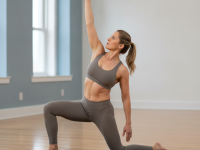
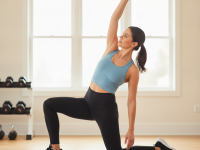
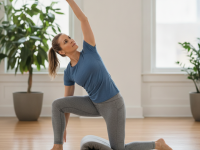
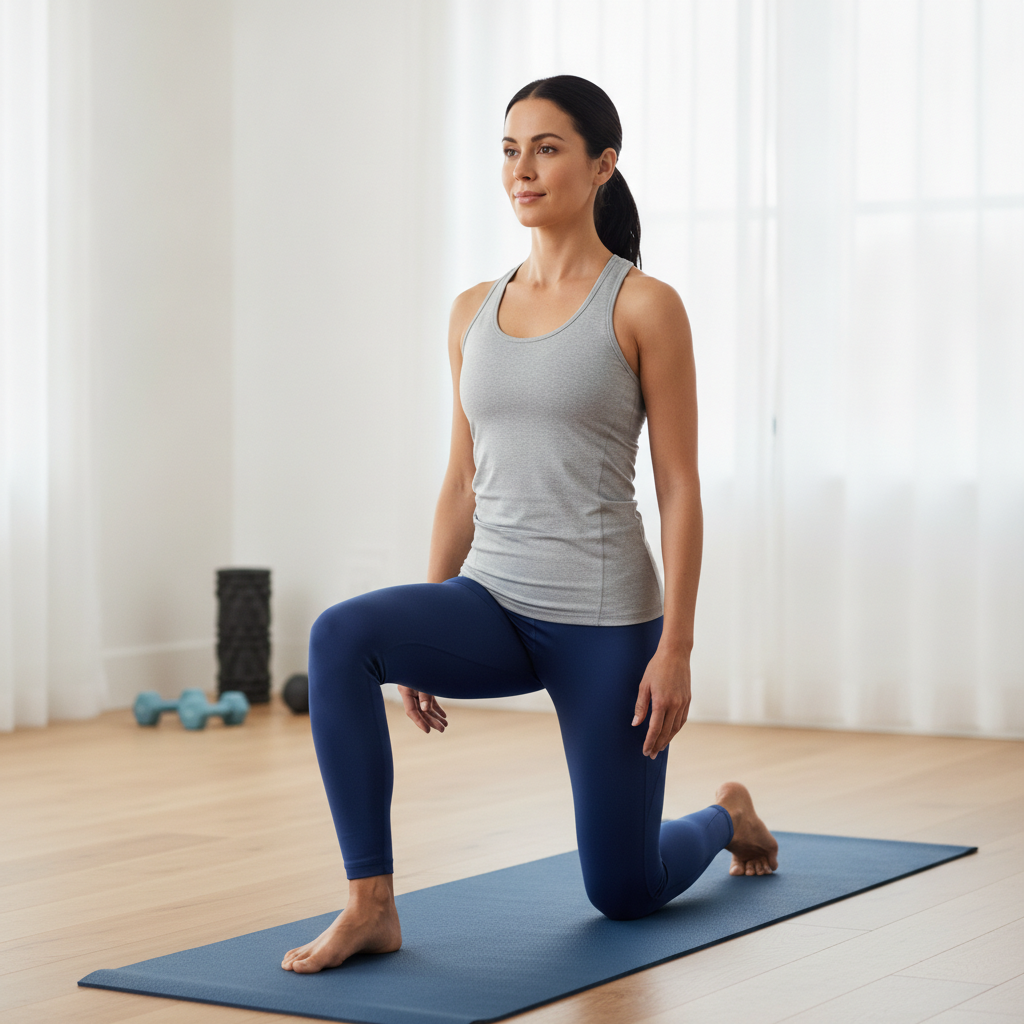
Start in a half-kneeling position with one knee on the floor and the other foot planted forward. Tuck your pelvis slightly (posterior pelvic tilt) and shift weight forward until you feel a stretch in the front of the hip of the kneeling leg.
Hold 30–45 seconds, repeat 2–3 times per side. Add a gentle posterior pelvic tilt or trunk rotation to emphasize the psoas while keeping the lower back neutral.
Psoas release lying technique (manual/self-release)
Lie on your back with both knees bent. Slide your hand or a soft lacrosse ball under the lower abdomen, aiming toward the belly button and off to the side to approximate the psoas. Apply gentle sustained pressure while breathing deeply.
Hold 60–90 seconds and recheck mobility. Avoid deep pain; work into comfortable tension. This is a self-myofascial release option when performed cautiously.
Foam rolling and self-myofascial release
Use a medium-density foam roller or a massage ball to work the proximal thigh and lateral hip region. Roll slowly to find tender spots and pause for 30–60 seconds to allow tissue relaxation.
Foam rolling complements static stretching and can reduce perceived tightness before a mobility session.
Active release and dynamic mobility (strength plus length)
Perform walking lunges with an emphasis on hip extension and an upright trunk. Pair this with glute bridges to strengthen posterior chain muscles that oppose excessive anterior pelvic tilt.
Do 2–3 sets of 8–12 reps for each exercise, focusing on control and full hip extension at the top of the movement.
How to integrate releases into a weekly routine
For persistent lower back stiffness, aim to perform hip flexor release work 3–5 times per week. Combine daily short mobility breaks if you sit for long periods—set an hourly alarm to stand, move, and do a quick stretch.
Use this progression: start with gentle self-release, add static stretching, then introduce dynamic strengthening after 1–2 weeks as symptoms permit.
Precautions and when to modify
Avoid aggressive deep abdominal pressure or forceful manipulation if you have recent abdominal surgery, hernia, pregnancy, or known vascular issues. If you experience radiating numbness, sharp nerve pain, or worsening leg weakness, stop and seek medical evaluation.
Modify stretches by reducing range of motion and emphasizing breath and pelvic control. Work with a physical therapist for hands-on psoas release or guided progression if you have complex pain.
Red flags — consult a clinician
- New or worsening neurological symptoms (numbness, tingling, weakness).
- Severe unrelenting night pain or unexplained weight loss with back pain.
- History of cancer, recent major trauma, or infection symptoms (fever, chills).
- Pain that does not improve after several weeks of conservative care or that increases with activity.
Putting it together: a sample 8-minute routine
Do this routine 3–4 times per week to reduce lower back stiffness and improve hip mobility.
- 1 minute foam rolling lateral thigh and hip (30s per side)
- 1 minute psoas self-release (30–60s per side)
- 2 x 45s kneeling hip flexor stretch per side
- 2 sets of 10 walking lunges (slow, full hip extension)
- 2 sets of 12 glute bridges with a 2-second hold
Why multidisciplinary care helps
While hip flexor releases are often effective, combining them with glute and core strengthening, ergonomic adjustments, and movement retraining yields superior, sustained outcomes. A physical therapist can assess movement patterns, provide manual therapy, and tailor a progressive program.
For persistent or complex lower back stiffness, a coordinated plan that includes exercise, manual techniques, and behavioral changes (reducing sitting time) is the most evidence-based approach.
Conclusion
Hip flexor releases for lower back stiffness are a practical, low-risk strategy to reduce tension, restore pelvic alignment, and improve movement. When done safely and paired with strengthening, they can significantly reduce discomfort and prevent recurrence.
Consult a licensed physical therapist or healthcare professional if you have red-flag symptoms, prior surgeries, or if pain persists despite conservative self-care. With consistent practice, most people experience meaningful improvement in mobility and less low back stiffness.