Why hip flexors matter for lower back stiffness
Tight hip flexors — especially the iliopsoas (psoas major and iliacus) — can tilt the pelvis forward, increase lumbar lordosis, and place extra load on the lower back. This biomechanical link often contributes to stiffness, reduced range of motion, and discomfort during standing or bending.
Addressing hip flexor tightness is not a cure-all, but improving hip mobility and releasing tension can reduce mechanical strain and complement core strengthening and postural work. Many clinicians combine release techniques with exercise therapy for best outcomes.
Anatomy and common causes of tight hip flexors
The primary hip flexors include the psoas major, iliacus, rectus femoris, and sartorius. The psoas connects the lumbar spine to the femur, making it uniquely influential on lower back mechanics. Prolonged sitting, weak glutes, and repetitive flexed postures contribute to shortening and hypersensitivity in these muscles.
Understanding the anatomy helps choose appropriate releases and stretches while avoiding over-aggressive techniques that can irritate the lumbar spine or hip joint. A balanced approach combines release, mobility, and strengthening.
Evidence-based rationale
Clinical research supports exercise-based approaches for chronic low back pain, and interventions that improve hip mobility often reduce pain and disability. Manual therapy and self-release techniques can provide short-term relief and improve tolerance for therapeutic exercise.
While individual responses vary, integrating releases into a broader program—postural correction, core activation, and hip extensor strengthening—offers the most durable benefit. If symptoms include neurological signs or severe pain, refer to a healthcare professional before self-treatment.
Safe hip flexor release techniques you can do at home
-
Self-myofascial release with a foam roller
Lie face down with a soft foam roller under the front of your hip (just below the pelvis). Gently roll along the area of the psoas and upper thigh for 1–2 minutes on each side, avoiding sharp pain. Breathe slowly and stop if you feel radiating leg symptoms.
-
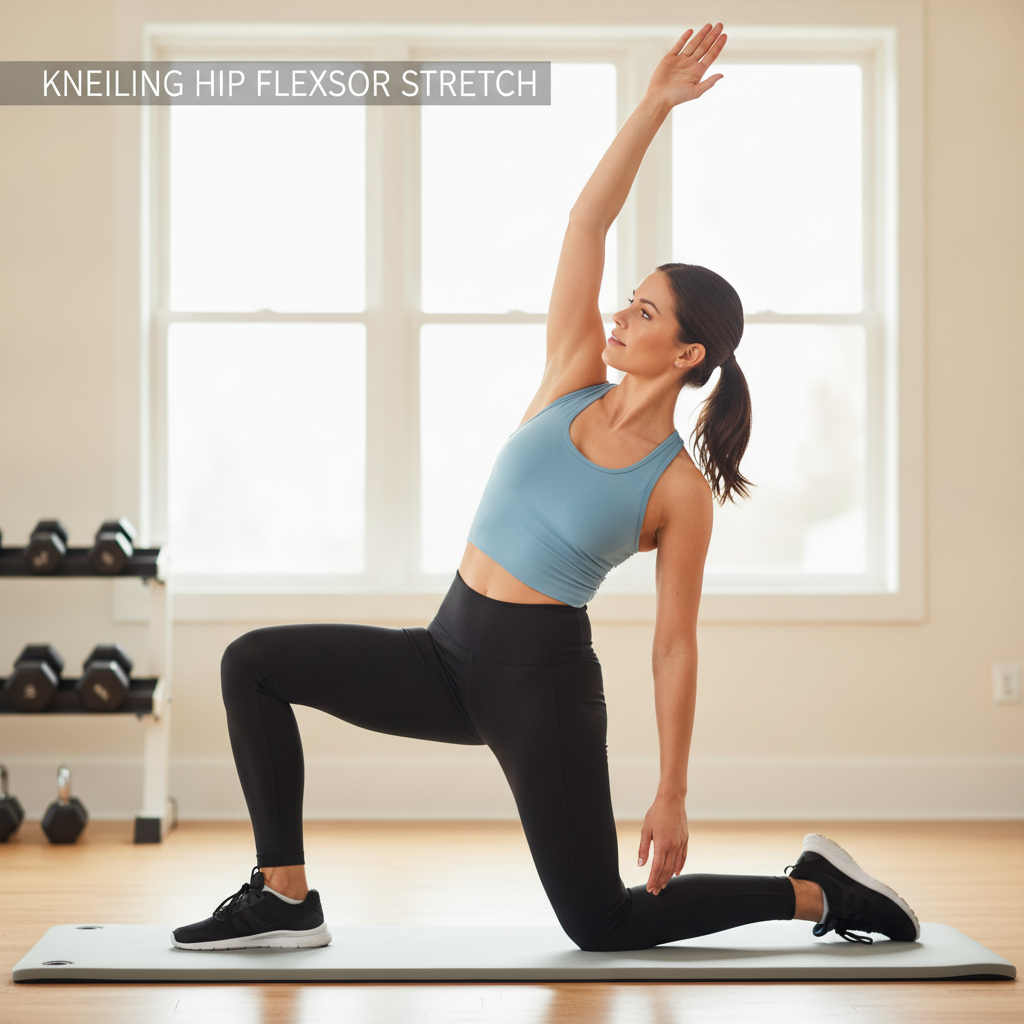
Active kneeling hip flexor stretch
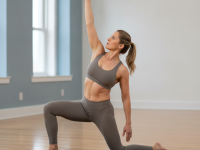
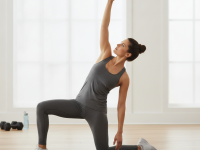
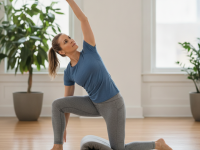
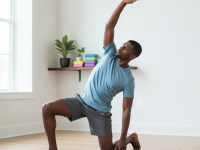
Kneel on one knee with the other foot forward in a 90/90 position. Tuck your pelvis slightly and drive the hips forward until you feel a stretch at the front of the hip. Hold 30–45 seconds and repeat 2–3 times. Engage the glute on the kneeling side to protect the lumbar spine.
-
Psoas release with diaphragmatic breathing
Lie supine with knees bent. Place fingertips lightly at the lower abdomen near the front of the pelvis and breathe deeply. On exhale, allow the belly to soften and small gentle pressure toward the spine to encourage relaxation of the deep hip flexor. Repeat for 6–8 breaths per side.
-
Trigger point pressure with a tennis ball
Lie on your stomach and place a tennis ball just inside the pelvic bone where you feel a tender spot. Apply gentle pressure for 20–30 seconds while breathing. Move the ball slightly to find different release points. Limit total time to avoid bruising or irritation.
Complementary mobility and strengthening
Releases are most effective when paired with mobility drills and strengthening to prevent recurrence. Train hip extension and posterior chain muscles to counteract prolonged flexion postures.
- Glute bridges: 2–3 sets of 10–15 reps to activate hip extensors.
- Rear-foot elevated split squats: builds eccentric hip control and lengthens hip flexors under load.
- Hip CARs (controlled articular rotations): slow, controlled circular movements to restore joint mobility.
Precautions and when to see a professional
Stop self-treatment if you experience sharp, shooting pain, numbness, or progressive weakness in the leg. These signs may indicate nerve involvement or a more serious spinal condition. If back pain persists beyond 4–6 weeks despite consistent self-care, consult a licensed physical therapist, sports medicine physician, or spine specialist.
People with recent hip or abdominal surgery, hernias, or pregnancy should check with their clinician before performing deep releases or sustained pressure over the abdomen or pelvis.
Sample 10-minute routine for daily practice
This short sequence blends release, stretch, and activation to reduce lower back stiffness. Perform 1–2 times daily for best effect.
- 1 minute foam rolling (each side): gentle anterior hip release.
- 2 x 30–45 second kneeling hip flexor stretch (each side).
- 1 minute psoas breathing release (each side) with diaphragmatic breaths.
- 2 sets of 12 glute bridges with a 2-second hold at the top.
- 1 set of hip CARs: 6 slow rotations each direction per hip.
Putting it together: practical tips
Start gently and prioritize quality of movement over intensity. Use pain as a guide — mild to moderate discomfort can be acceptable, but sharp pain is a contraindication. Track progress with measures like morning stiffness, ease of bending, or tolerance for walking and standing.
Combine releases with ergonomic adjustments (standing breaks, chair height, lumbar support) and a regular strengthening program for the best long-term results. Consistency over weeks typically yields measurable improvement in stiffness and function.
Conclusion
Hip flexor releases for lower back stiffness are a valuable tool within a broader rehabilitation and prevention plan. When performed correctly and paired with mobility and strengthening, these techniques can reduce pain, restore movement, and make daily activities more comfortable.
If you have persistent or worsening symptoms, seek evaluation from a qualified healthcare professional to rule out underlying conditions and build a personalized treatment plan.