Trace minerals for adrenal fatigue recovery: an evidence-informed guide
Trace minerals for adrenal fatigue recovery are often overlooked but can play a meaningful role in restoring energy and optimizing stress resilience. If you feel chronically tired, wired, or unable to bounce back from stress, understanding how minerals such as magnesium, zinc, selenium and others support the HPA axis and cellular energy can help you take safer, targeted steps toward recovery.
What clinicians mean by “adrenal fatigue” and why minerals matter
“Adrenal fatigue” is a popular term used to describe prolonged stress-related exhaustion and symptoms like low energy, sleep disturbance, and brain fog. While mainstream endocrinology recognizes conditions like adrenal insufficiency, many clinicians now use the broader phrase HPA axis dysregulation to describe stress-related hormonal imbalance.
Trace minerals act as cofactors for hundreds of enzymes involved in energy production, neurotransmitter synthesis, and antioxidant defenses. When chronic stress or poor diet depletes these minerals, the body’s ability to manage cortisol and recover from stress can be impaired.
Key trace minerals for adrenal support
Below are the minerals most commonly linked to stress resilience and adrenal health, with practical notes on food sources, supplement forms, and clinical considerations.
Magnesium
Magnesium supports hundreds of enzymatic reactions, including ATP production and nervous system regulation. It often calms the nervous system and helps with sleep, both essential for HPA axis recovery.
- Food sources: leafy greens, nuts, seeds, legumes, whole grains.
- Supplement forms: magnesium glycinate (gentle, good for sleep), magnesium citrate (laxative effect at higher doses).
- Typical guidance: many adults benefit from 200–400 mg elemental magnesium daily; adjust with clinician if kidney disease is present.
Zinc
Zinc is important for immune function, neurotransmitter balance, and moderating cortisol responses to stress. Low zinc status is linked to mood disturbance and impaired recovery from stress.
- Food sources: oysters, red meat, poultry, beans, pumpkin seeds.
- Supplement forms: zinc picolinate or zinc bisglycinate have good absorption.
- Typical guidance: short-term therapeutic doses are often 15–30 mg elemental zinc; long-term high doses can cause copper depletion, so monitor with your clinician.
Selenium
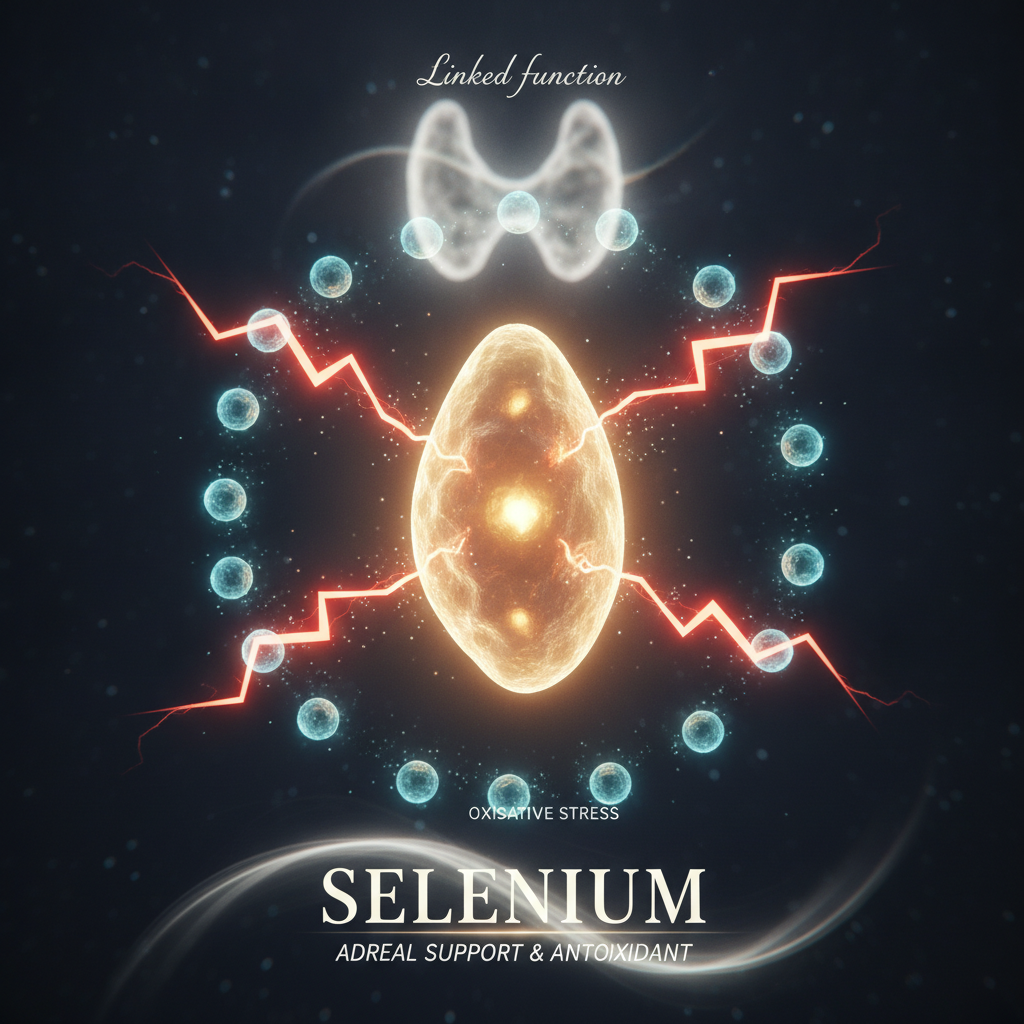
Selenium supports antioxidant enzymes (glutathione peroxidase) and thyroid hormone metabolism—both relevant because thyroid and adrenal function interact. Adequate selenium helps protect the body under stress.
- Food sources: Brazil nuts (one or two provide a large portion), seafood, organ meats.
- Supplement forms: selenomethionine is common and well-absorbed.
- Typical guidance: 55 mcg daily is the RDA; avoid exceeding the upper limit (400 mcg) without medical supervision.
Potassium, sodium and electrolyte balance
Electrolyte balance is crucial for energy and blood pressure stability. People who are chronically stressed or on restrictive diets may notice lightheadedness or salt cravings related to sodium and potassium imbalance.
- Food sources: bananas, potatoes, avocados (potassium); unprocessed sea salt or mineral-rich salts (sodium in moderation).
- Clinical note: severe electrolyte disturbance should be evaluated by a clinician. If you suspect adrenal insufficiency, seek immediate medical care.
Other trace minerals to consider
Chromium, copper, manganese and iodine also play roles in energy metabolism and thyroid-adrenal interactions. These are usually addressed through a balanced diet or a targeted multivitamin/mineral supplement rather than high-dose single nutrients.
How to evaluate and correct mineral deficiencies safely
Start with a clinical assessment: symptom review, dietary history, medication review, and targeted lab testing when appropriate. Tests may include serum magnesium, zinc, selenium, basic electrolytes, and thyroid panels.
Consider working with a healthcare provider experienced in nutritional medicine to interpret labs and plan supplementation. Some tests (e.g., serum magnesium) can be insensitive to tissue depletion, so clinical context matters.
Practical supplementation principles
- Prioritize food first: a nutrient-dense diet is the safest way to restore trace minerals.
- Choose well-absorbed supplement forms and avoid megadoses unless supervised by a clinician.
- Balance minerals: excessive zinc without copper monitoring, or high-dose selenium, can cause harm.
- Correct one variable at a time and monitor symptoms and labs over 4–12 weeks.
Lifestyle measures that amplify mineral support
Trace minerals are most effective as part of a broader recovery plan. Sleep optimization, consistent meal timing, blood sugar stabilization, and gradual reductions in stress load are foundational.
Gentle movement, breathwork, and paced cognitive rest help recalibrate the HPA axis. Where appropriate, adaptogens such as ashwagandha or rhodiola may be integrated, but these should be used under guidance and are not a substitute for addressing mineral deficiencies or sleep and diet.
When to see a clinician
If fatigue is severe, accompanied by significant weight loss, persistent low blood pressure, fainting, or marked electrolyte abnormalities, seek immediate medical evaluation. These signs can indicate primary adrenal insufficiency or other medical conditions requiring urgent care.
For chronic stress-related symptoms, a qualified clinician can guide testing (salivary cortisol profiles, morning cortisol, ACTH stimulation when indicated) and design a safe mineral and lifestyle plan tailored to your needs.
Summary: a measured, evidence-based approach
Trace minerals can be supportive in recovery from stress-related fatigue by improving energy metabolism, antioxidant capacity, and nervous system balance. Use food-first strategies, targeted supplementation with appropriate forms and doses, and professional monitoring to maintain safety and effectiveness.
As a clinician with over a decade working in integrative nutrition and clinical consulting, I recommend individualized assessment rather than one-size-fits-all protocols. Discuss testing and a stepwise plan with your healthcare provider before beginning new supplements.