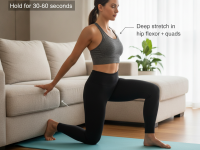
Ergonomic desk setup for sciatica prevention is one of the most effective ways to reduce nerve irritation and recurring lower back pain for desk workers. Creating a workstation that supports neutral posture and reduces pressure on the lumbar spine can significantly lower the risk of sciatica flare-ups and improve daily comfort.
This guide explains practical, evidence-informed adjustments you can make right now, plus simple stretches and behaviour changes to protect your sciatic nerve and lower back over the long term.
Why an ergonomic desk setup matters for sciatica
Sciatica arises when the sciatic nerve is irritated or compressed, often leading to pain, numbness, or tingling down one leg. Prolonged poor posture, slumped sitting, and repetitive strain increase lumbar disc pressure and can aggravate this nerve.
Research and ergonomic guidelines consistently show that workstation design and movement patterns directly influence lower back load. An ergonomic setup reduces sustained stress on spinal structures and encourages safer, more frequent motion throughout the day.
Key components of an ergonomic workstation
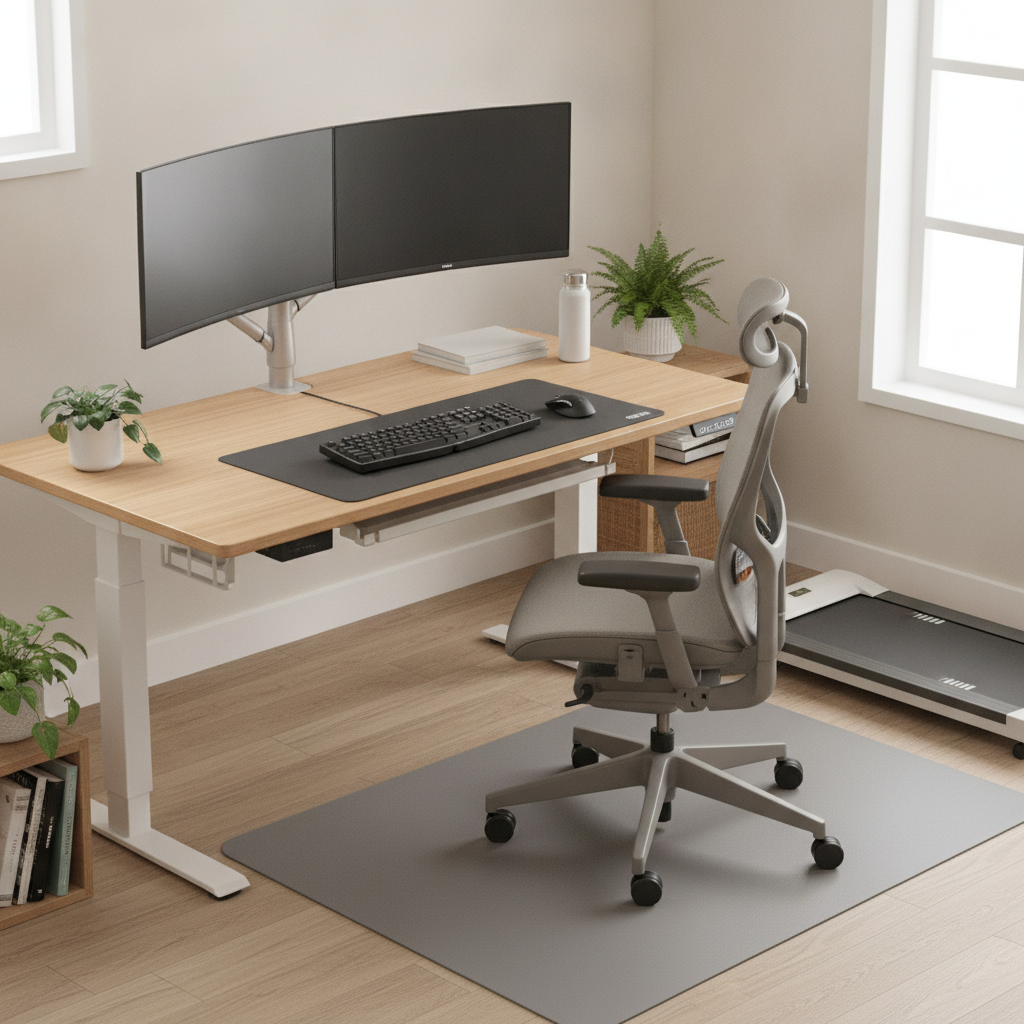
Focus on five primary elements: chair, desk height, monitor placement, keyboard/mouse positioning, and foot support. Each element contributes to a neutral spine and balanced muscle activation.
Ergonomic chair and lumbar support
Choose a chair with adjustable seat height, seat depth, and reliable lumbar support. The lumbar support should fit the curve of your lower back and maintain that natural lordosis while seated.
Seat height should allow your feet to rest flat on the floor and your knees to be roughly level with or slightly lower than your hips. If needed, use a cushion or lumbar roll to maintain the lower back curve.
Desk and monitor height
Desk height should permit a relaxed shoulder position with elbows bent about 90–110 degrees while typing. If using a standing desk, the same elbow angle applies when standing.
Position the top third of the monitor at or just below eye level to avoid neck flexion. Keep the screen an arm’s length away to reduce forward head posture and eye strain.
Keyboard, mouse, and input devices
Place the keyboard and mouse close enough to avoid reaching. The wrists should be straight and forearms parallel to the floor. Consider a split keyboard or negative-tilt tray to maintain wrist neutrality.
Use a mouse that fits your hand and allows controlled movements. For repetitive discomfort, try alternating between mouse types (vertical, trackball) or using keyboard shortcuts to reduce mouse time.
Footrests and accessories
If your feet don’t rest comfortably on the floor, use a footrest to maintain thigh support and reduce pressure under the knees. A document holder aligned with the monitor reduces neck rotation when referencing paper materials.
Posture, movement, and break strategies
Even perfect ergonomics fail if you remain static for hours. Movement and micro-breaks are essential to unload spinal structures and maintain tissue health.
- Follow the 20-30 minute rule: stand, stretch, or walk for 2–3 minutes after 20–30 minutes of sitting.
- Incorporate brief standing or walking meetings where possible.
- Alternate sitting and standing using a sit-stand desk; aim for a 1:1 to 3:1 ratio of sitting to standing initially, and progress based on comfort.
Simple stretches and exercises for sciatica prevention
Daily mobility and targeted stretches reduce nerve tension and improve flexibility. Perform each stretch gently and avoid any movement that increases sharp pain.
- Piriformis stretch: lie on your back, cross the affected ankle over the opposite knee and gently pull the lower knee toward the chest.
- Knee-to-chest: lie supine and pull one knee toward the chest, holding 20–30 seconds and repeating both sides.
- Hamstring mobilization: seated or standing hamstring stretch with a slight bend in the supporting knee to avoid strain.
- Core activation: gentle pelvic tilts and bridges to build low-load spinal stability — perform within a pain-free range.
Sample ergonomic setups
Below are practical configurations based on common work styles. Use these as starting points; small individual adjustments are often necessary.
Sitting workstation (traditional)
- Chair height: feet flat, knees ~90–100 degrees.
- Screen: top third at eye level, 50–70 cm from eyes.
- Keyboard/mouse: elbows at 90–110 degrees, wrists neutral.
- Lumbar support: small cushion or built-in contour supporting lower back.
Sit-stand hybrid
- Alternate positions every 20–60 minutes depending on tolerance.
- Maintain the same elbow and monitor alignment whether sitting or standing.
- Use an anti-fatigue mat when standing to reduce lower limb fatigue.
Compact or laptop-only setup
- Use a laptop stand to raise the screen to eye level and a separate keyboard/mouse at elbow height.
- Consider an external monitor for prolonged work to reduce forward head posture.
Maintenance, monitoring, and product selection tips
Invest in adjustable equipment rather than one-size-fits-all solutions. Adjustable items allow you to fine-tune posture and respond to day-to-day variations in comfort.
Keep a simple checklist at your desk to verify daily setup: feet flat, lumbar supported, elbows relaxed, monitor at eye level. Make small incremental changes and track symptoms to see what improves your comfort.
When to see a clinician
If you experience severe or progressive leg weakness, significant numbness, loss of bowel or bladder control, or worsening pain despite ergonomic changes, seek medical attention promptly. These signs may indicate a more serious condition requiring urgent evaluation.
Consider consulting a physical therapist or occupational therapist for a personalized ergonomic assessment and exercise program. They can measure your workstation, recommend specialized supports, and provide a tailored rehabilitation plan.
Conclusion
An ergonomic desk setup for sciatica prevention combines proper equipment, posture awareness, and regular movement. Small, consistent changes to your workstation and daily habits often yield substantial reductions in sciatic symptoms and improved long-term spinal health.
Start with the adjustments outlined here, add short mobility breaks, and seek professional guidance if pain persists or worsens. Protecting your back now will pay dividends in comfort and productivity.