Hip flexor releases for lower back stiffness can quickly reduce discomfort and improve mobility when done correctly. These techniques target tight hip flexors — often a hidden contributor to chronic lower back pain — and can be performed with minimal equipment.
Why tight hip flexors cause lower back stiffness
The hip flexors, including the psoas major and iliacus, attach the pelvis to the spine and femur. When these muscles are shortened from prolonged sitting or repetitive movement, they tilt the pelvis forward and increase lumbar compression.
This altered posture places extra strain on spinal joints and soft tissues, commonly felt as stiffness or aching in the lower back. Addressing hip flexor tension often reduces symptoms where direct back treatments alone fall short.
Evidence-based benefits of hip flexor release
Clinical and biomechanical studies suggest improving hip muscle length and mobility reduces lumbar load and enhances movement patterns. Physical therapists frequently include hip flexor interventions in protocols for non-specific low back pain.
While individual responses vary, real-world practice shows many people experience reduced stiffness, improved walking mechanics, and better exercise tolerance after consistent hip flexor work.
Precautions before you begin
Always warm up with light movement for 5–10 minutes before deep releases to increase blood flow. If you have acute back pain, recent spine surgery, herniated discs, or inflammatory conditions, consult a clinician first.
Stop any technique that produces sharp pain, neurological symptoms (numbness, tingling, weakness), or dizziness. Modify intensity and seek professional guidance if unsure.
Top hip flexor release techniques
1. Foam roller anterior hip release
Lie face down and place a foam roller under the front of your hip near the crease. Shift your weight and roll slowly to explore tender spots along the hip flexor and upper thigh.
Pause and maintain gentle pressure on tight points for 20–40 seconds, breathing steadily. Repeat 1–2 minutes per side, avoiding direct pressure on joints or the abdomen.
2. Psoas-specific release (gentle, supine)
Lie on your back with knees bent and feet flat. Place a small, soft ball (massage ball or rolled towel) just lateral to the belly button and slightly downward toward the hip bone.
Gently breathe into the area and allow the muscle to soften over 30–60 seconds. This technique is subtle and targets the deep psoas; keep intensity low to avoid internal pressure.
3. Kneeling hip flexor stretch with active release
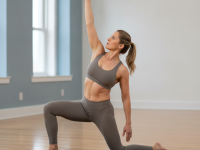
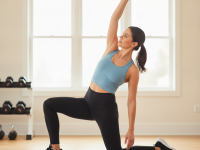
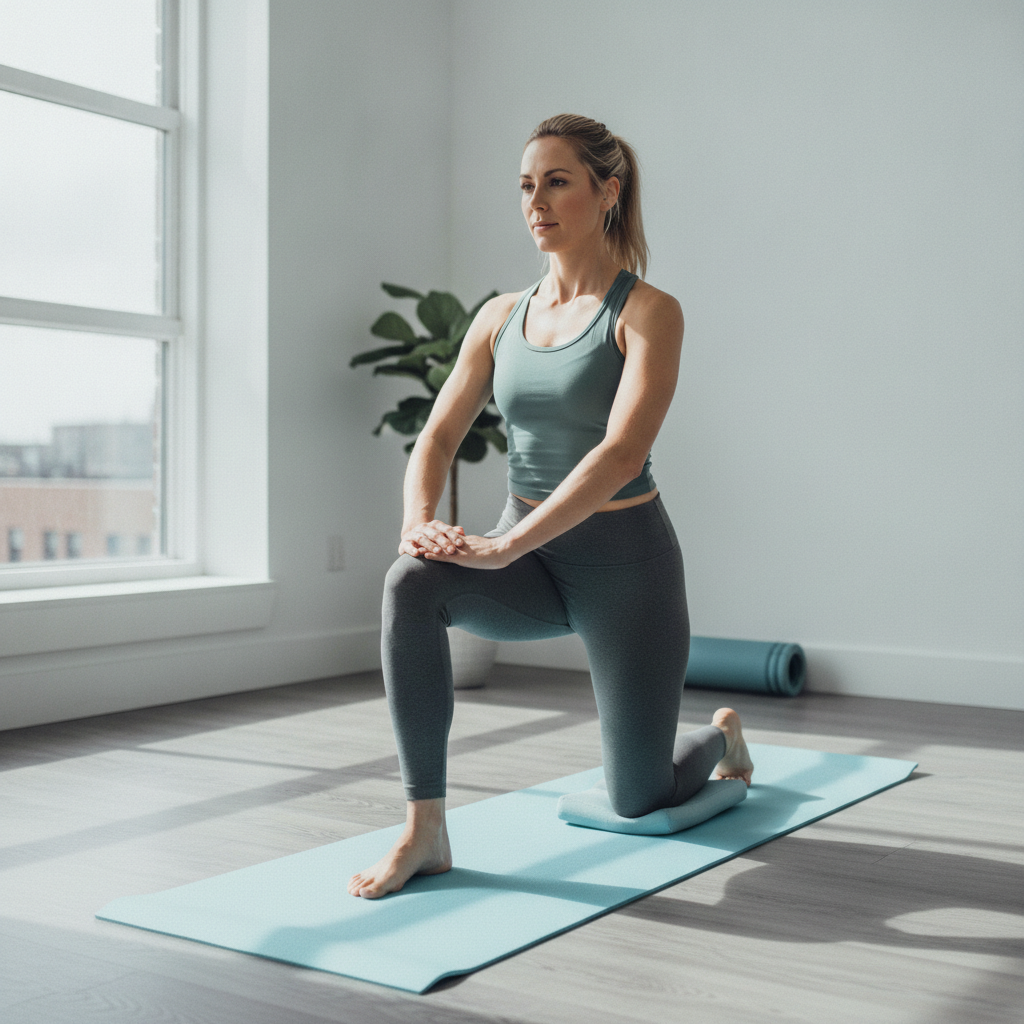
Kneel on one knee with the other foot forward in a lunge. Tuck your pelvis under (posterior pelvic tilt) and shift hips forward until you feel a stretch in the front of the back leg.
To add an active release, gently contract the front thigh (hip flexors) for 5–10 seconds, then relax and sink deeper into the stretch. Repeat 2–3 times per side.
4. Dynamic hip flexor mobilization
Stand and perform controlled leg swings forward and backward, or march with an exaggerated knee drive to mobilize the hip flexors dynamically. Use 10–15 swings per leg.
Dynamic work prepares the tissues for activity and improves neuromuscular control, reducing recurrence of stiffness during daily tasks.
Sample 10-minute hip flexor release routine
- Warm-up: 3 minutes brisk walking or stationary cycling
- Foam roller anterior hip: 1 minute per side, slow rolling and pausing on tender spots
- Psoas ball release: 1 minute per side, gentle pressure and breathing
- Kneeling hip flexor stretch with active release: 2 sets of 30 seconds per side
- Dynamic leg swings or marching: 10–15 reps per side
- Finish with 1–2 minutes of gentle pelvic tilts to reintegrate lumbar movement
How often to practice
For chronic lower back stiffness, perform hip flexor release routines 3–5 times per week. Consistency over weeks produces the best changes in muscle length and movement patterns.
If you have a sedentary job, brief daily sessions (5–10 minutes) can prevent re-tightening. Combine releases with strengthening of glutes and core to support long-term posture improvements.
Combine release with strengthening and posture work
Releasing tight hip flexors is only one part of a durable solution. Strengthening the posterior chain — glutes, hamstrings, and core — restores pelvic balance and reduces recurrence of stiffness.
Include exercises like glute bridges, single-leg deadlifts, and plank progressions alongside release work to create lasting improvement in lower back health.
When to seek professional help
See a physician or physical therapist if stiffness is accompanied by severe or worsening pain, leg weakness, bowel or bladder changes, or if symptoms don’t improve after consistent self-care for 4–6 weeks. A clinician can assess for structural causes and create a tailored treatment plan.
Skilled manual therapists can also perform targeted psoas release, trigger point therapy, and progressive rehabilitation strategies when self-release is insufficient.
Author note and clinical perspective
As a health consultant with over a decade of clinical collaboration with physical therapists and sports medicine specialists, I recommend a balanced approach: gentle releases combined with strengthening and posture correction. These methods are grounded in biomechanical principles and show practical benefit for many people with lower back stiffness.
Always individualize intensity and frequency based on your history and tolerance, and involve a specialist when necessary to ensure safety and effectiveness.
Summary
Hip flexor releases for lower back stiffness are a practical, evidence-informed strategy to reduce lumbar discomfort and restore mobility. When combined with strengthening, posture correction, and professional guidance as needed, they form a reliable part of a comprehensive plan to manage and prevent lower back stiffness.