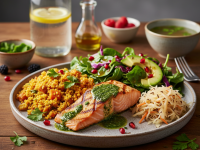
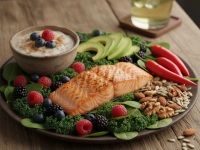
The Breakfast Skipper’s Nutritional Challenge
For those who bypass breakfast, the challenge isn’t just about feeling hungry later; it’s about ensuring your body still receives all the essential nutrients it needs to function optimally. Your body needs a steady supply of energy, vitamins, minerals, and macronutrients (protein, healthy fats, and complex carbohydrates) to power through the day. When breakfast is skipped, there’s a larger window to fill those nutritional gaps with your subsequent meals. The goal isn’t to overcompensate by gorging, but rather to make every meal count, focusing on nutrient density, satiety, and sustained energy release. This means moving beyond processed foods and sugary quick fixes and embracing whole, unprocessed ingredients that nourish from the inside out.
Your Midday Recharge: Robust Lunch Ideas
Lunch becomes your first major opportunity to refuel and set the tone for the rest of your day. It needs to be substantial, balanced, and satisfying to prevent energy dips and cravings later on. Think beyond the sad desk salad and embrace vibrant, wholesome options.
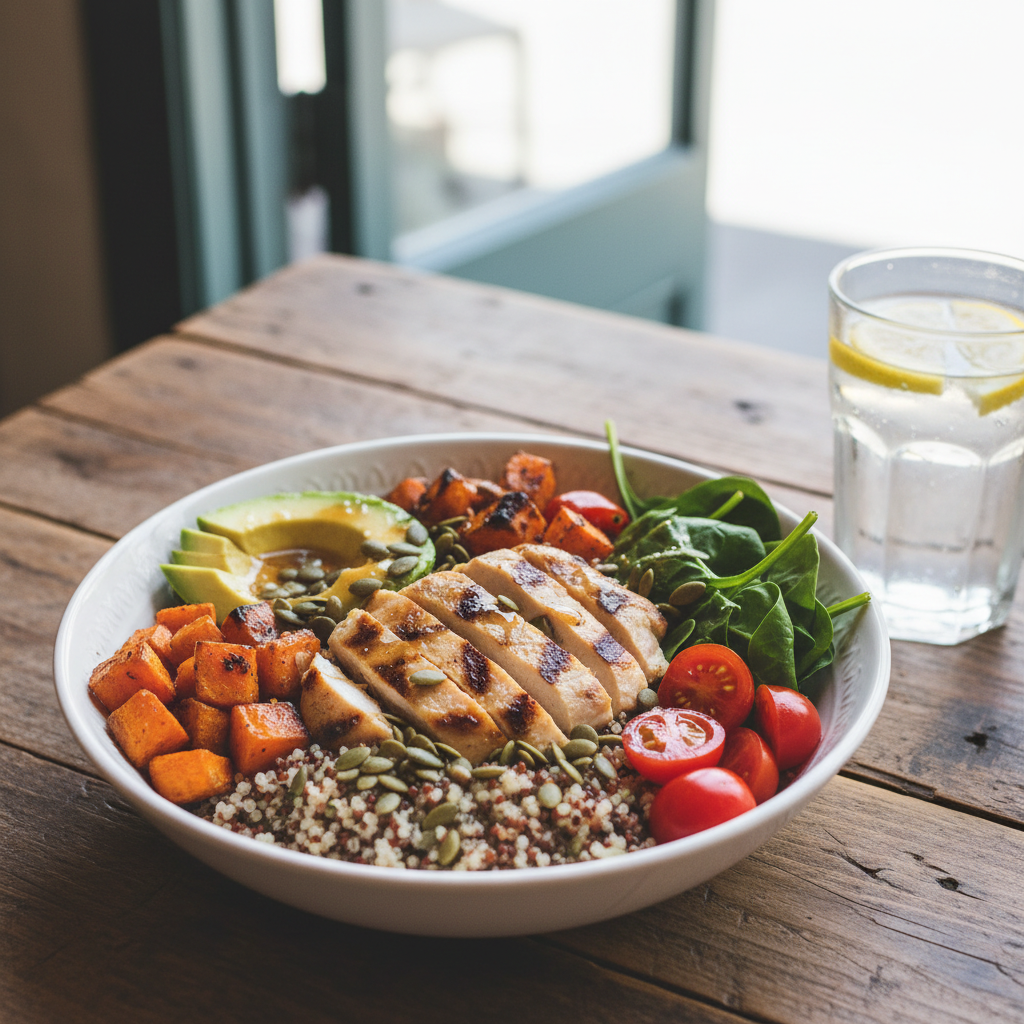
Power Bowl Perfection
Power bowls are incredibly versatile and an excellent way to pack a variety of nutrients into one delicious meal. They allow for endless customization and are perfect for meal prepping.
- Base: Start with a foundation of complex carbohydrates like quinoa, brown rice, farro, or even roasted sweet potato cubes. These provide sustained energy.
- Protein: Add a lean protein source such as grilled chicken or turkey breast, roasted chickpeas, black beans, lentils, baked tofu, or a hard-boiled egg. Protein is crucial for satiety and muscle maintenance.
- Veggies: Load up on a colorful array of vegetables. Think roasted broccoli, bell peppers, zucchini, sautéed kale or spinach, cherry tomatoes, or shredded carrots. Aim for at least two different types.
- Healthy Fats: Incorporate healthy fats for flavor, satiety, and nutrient absorption. Sliced avocado, a sprinkle of nuts (almonds, walnuts), or seeds (chia, pumpkin, sunflower) are excellent choices.
- Dressing: Finish with a light, homemade vinaigrette (olive oil, vinegar, Dijon mustard, herbs) or a creamy tahini-based dressing. Avoid heavy, sugary store-bought options.
Hearty Salad with a Twist
Forget the notion that salads are unsatisfying. A well-constructed salad can be a complete, invigorating meal. The trick is to go beyond just leafy greens.
- Robust Greens: Opt for nutrient-dense greens like spinach, mixed spring greens, romaine, or a blend of massaged kale.
- Protein Power: Include substantial protein such as grilled salmon or tuna, shredded rotisserie chicken, canned tuna or salmon (packed in water or olive oil), crumbled feta or goat cheese, or a generous scoop of white beans.
- Complex Carbs: Add an element of complex carbohydrates for energy. Roasted sweet potato, corn, whole-grain croutons, or a small serving of farro or barley can transform your salad.
- Crunch and Flavor: Introduce texture and flavor with ingredients like cucumber, bell peppers, red onion, sun-dried tomatoes, olives, or fresh herbs. Berries (strawberries, blueberries) can add a delightful sweetness.
- Dressing: A simple lemon-tahini dressing, a balsamic vinaigrette, or a light olive oil and herb dressing works wonderfully.
Soups and Stews for Sustained Energy
Warm, comforting, and incredibly nourishing, soups and stews are ideal for a satisfying lunch, especially during cooler months. They are also excellent candidates for batch cooking.
- Lentil Vegetable Soup: Packed with plant-based protein, fiber, and an abundance of vegetables like carrots, celery, spinach, and tomatoes.
- Chicken and Barley Stew: A hearty option with lean chicken, whole-grain barley, and root vegetables such as potatoes, parsnips, and turnips, providing a balanced meal.
- Minestrone: A classic Italian vegetable soup, often featuring pasta or rice and beans, making it incredibly filling and nutrient-rich.
- Tip: Make a large batch on the weekend and portion it into individual containers for quick, healthy lunches throughout the week. Serve with a slice of whole-grain bread for extra fiber.
Dinner Delights: Satisfying and Nutritious Suppers
Dinner, often the largest meal for breakfast skippers, needs to be balanced, delicious, and provide the nutrients required for overnight repair and recovery. It’s also an opportunity to wind down with a meal that feels indulgent but is genuinely good for you.
Lean Protein with Abundant Veggies
This classic combination is the cornerstone of healthy eating. Focus on quality protein and a generous serving of non-starchy vegetables.
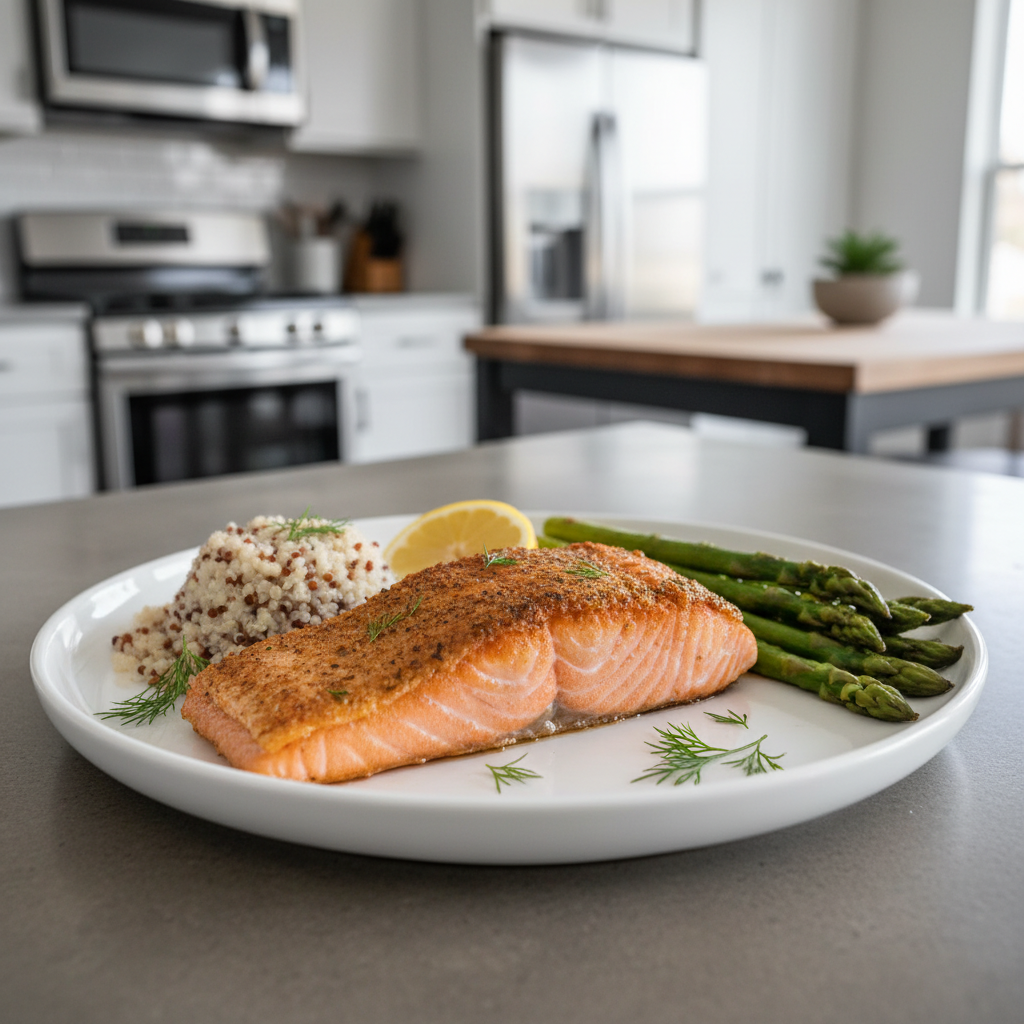
- Baked Salmon with Asparagus and Quinoa: Salmon offers omega-3 fatty acids, while asparagus provides vitamins and fiber. Quinoa adds a complete protein and complex carbohydrate. Season the salmon with lemon, dill, and a touch of olive oil. Roast asparagus with a sprinkle of garlic powder.
- Chicken Stir-fry with Brown Rice: A quick and customizable option. Sauté lean chicken breast strips with a medley of colorful vegetables like broccoli, bell peppers, snap peas, and carrots. Use a light sauce made with low-sodium soy sauce or tamari, ginger, and garlic. Serve over brown rice for fiber and complex carbs.
- Sheet Pan Shrimp and Veggies: Toss shrimp with your favorite vegetables (e.g., zucchini, cherry tomatoes, red onion) and a light seasoning, then roast on a single sheet pan until cooked through. A simple, delicious, and easy-cleanup meal.
One-Pan Wonders
For those evenings when you’re tired, one-pan meals are a savior. They minimize cleanup while delivering maximum flavor and nutrition.
- Roasted Chicken Thighs with Root Vegetables: Arrange bone-in, skin-on chicken thighs (or boneless, skinless breasts) on a sheet pan with chopped carrots, potatoes, parsnips, and sweet potatoes. Toss with olive oil, rosemary, thyme, salt, and pepper. Roast until the chicken is cooked through and the vegetables are tender and caramelized.
- Sausage and Peppers: Use high-quality, lower-sodium chicken or turkey sausage. Slice it and combine with bell peppers, onions, and zucchini on a sheet pan. Season with Italian herbs and roast until done. Serve with a side of mixed greens.
Plant-Forward Powerhouses
Embrace the deliciousness and nutritional benefits of plant-based meals, which can be incredibly satisfying and rich in fiber and micronutrients.
- Black Bean Burgers: Make homemade black bean patties (or choose a high-quality store-bought option) and serve them on whole-wheat buns with plenty of fresh toppings like lettuce, tomato, onion, avocado, and a dollop of salsa. Pair with a side salad.
- Chickpea and Spinach Curry: A fragrant and flavorful dish. Sauté onions, garlic, and ginger, then add chickpeas, canned diced tomatoes, coconut milk, and a generous amount of fresh spinach. Season with curry powder, turmeric, and cumin. Serve over whole-grain rice or with whole-wheat naan.
- Stuffed Bell Peppers: Halve bell peppers and fill them with a mixture of cooked brown rice, lentils, diced mushrooms, onions, and tomato sauce. Bake until the peppers are tender and the filling is hot. Top with a sprinkle of low-fat cheese or nutritional yeast if desired.
Smart Snacking: Bridging the Gaps
If your lunch is at noon and dinner isn’t until 7 PM, a smart snack can prevent you from becoming overly hungry and making poor food choices. The key is to choose snacks that combine protein and fiber for sustained energy and satiety.
Protein-Packed Picks
- Greek Yogurt with Berries and Nuts: High in protein and probiotics, Greek yogurt is an excellent base. Add fresh berries for antioxidants and a small handful of unsalted nuts for healthy fats and crunch.
- Cottage Cheese with Sliced Tomatoes or Peppers: A simple, high-protein snack. Cottage cheese is versatile; pair it with savory vegetables or a sprinkle of black pepper.
- Hard-Boiled Eggs: A portable, convenient, and complete protein source. Keep a batch in your fridge for easy access.
Fiber-Rich Favorites
- Apple Slices with Almond Butter: The fiber in the apple combined with the healthy fats and protein in almond butter makes for a perfectly balanced snack.
- Veggies with Hummus: Carrots, celery, cucumber, and bell pepper strips dipped in hummus provide fiber, vitamins, and a little protein.
- Whole-Grain Crackers with Avocado: Choose crackers made from whole grains and top with mashed avocado for healthy fats and fiber. A sprinkle of “everything bagel” seasoning can elevate the flavor.
Hydration: Don’t Forget Your Fluids
Often overlooked, adequate hydration is crucial, especially when you’re adjusting your eating schedule. Sometimes, what feels like hunger is actually thirst. Aim to drink plenty of water throughout the day. Herbal teas, infused water (with cucumber, lemon, or berries), and sparkling water are great alternatives to sugary beverages.
Mastering Meal Prep for the Breakfast Skipper
Meal prepping is your secret weapon for consistent healthy eating. By dedicating a few hours on a weekend, you can ensure you have nutritious options readily available, preventing last-minute unhealthy choices.
- Batch Cook Grains: Cook a large batch of quinoa, brown rice, or farro to use as a base for lunches and dinners.
- Roast Proteins: Roast a whole chicken, grill extra chicken breasts, or bake a large piece of salmon to shred or slice for meals throughout the week.
- Chop Veggies Ahead: Wash and chop vegetables like bell peppers, onions, carrots, and broccoli florets, storing them in airtight containers.
- Prepare Dressings: Make a large batch of your favorite vinaigrette or dressing and store it in the fridge.
- Pre-Portion Snacks: Divide nuts, seeds, and cut-up veggies into individual snack bags or containers.
Essential Tips for Healthy Eating When Skipping Breakfast
- Listen to Your Body: Eat when you’re truly hungry, not just out of habit. However, don’t let yourself get ravenous, as this can lead to overeating.
- Prioritize Whole Foods: Focus on unprocessed ingredients like lean proteins, fruits, vegetables, whole grains, and healthy fats.
- Balance Macronutrients: Ensure each main meal contains a good balance of protein, complex carbohydrates, and healthy fats to keep you full and energized.
- Plan Ahead: Meal planning and prepping are crucial to consistently making healthy choices.
- Stay Hydrated: Drink plenty of water throughout the day.
- Don’t Overcompensate: While you need to make up for missed nutrients, avoid overeating or relying on unhealthy comfort foods. Focus on nutrient density.
Skipping breakfast doesn’t have to be a nutritional setback. By being intentional and strategic with your lunch, dinner, and snack choices, you can easily meet your body’s nutritional needs and maintain a healthy, energetic lifestyle. Embrace the opportunity to create delicious, wholesome meals that fuel your body and delight your palate, no matter when your first meal of the day begins.