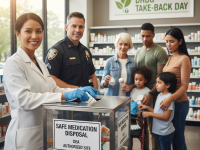
Safe disposal of expired medications is a simple act with a big impact on family safety and community health. Safe disposal of expired medications protects children, pets, and streams from accidental poisoning and reduces pharmaceutical pollution in water systems. By choosing the right disposal method, you help prevent misuse, environmental harm, and unnecessary waste.
This guide explains why proper disposal matters, how to identify suitable options in your area, and practical steps you can follow now. It emphasizes evidence-based practices, aligns with public health guidance, and provides clear, actionable steps for households of all sizes.
Why safe disposal matters
Medicines that are kept beyond their expiration date or unused can pose risks if they are swallowed unintentionally or diverted for misuse. Children and pets are particularly vulnerable to accidental poisoning. In addition, improper disposal—such as throwing pills in the trash or flushing them down the sink—can introduce pharmaceuticals into soil and waterways, potentially affecting wildlife and water quality over time.
Experts from public health and environmental agencies emphasize that reducing pharmaceutical waste helps protect ecosystems and supports safer communities. By disposing of medications properly, you also reduce the likelihood that someone in your home or neighborhood will misuse them.
What counts as expired or unused medications
Expired medications include pills, capsules, liquids, creams, and injectables that have passed their labeled dates or are no longer needed. Unused medications can be leftovers from prescriptions, sample bottles, or medicines that were never opened. Some medicines require special handling, especially those that are controlled substances or that pose higher risks if misused.
Common categories include over-the-counter analgesics, antibiotics, and prescription medications for chronic conditions. Some products, such as certain liquids or inhalers, may have specific disposal instructions on their packaging or you may need to participate in a local take-back program to ensure safe handling.
Best options for disposal
Take-back programs and pharmacy drop-off
The most recommended option is to use a take-back program or a pharmacy drop-off location. These programs collect medications in a controlled, environmentally safe manner and ensure they are processed or destroyed properly. Local take-back events, pharmacy programs, and healthcare facility collections often accept both prescription and over-the-counter medications, including liquids and patches in some regions.
How to use take-back options:
- Check trusted sources to locate a nearby take-back site, such as your local pharmacy, hospital, or municipal health department. National and regional directories can help you find drop-off locations and event dates.
- Follow any site-specific instructions. Some locations require that containers are kept in original packaging, while others accept loose pills in a sealed bag or container.
- Bring your medications to the site in a bag or container that protects privacy by concealing labels if you wish to keep your personal information private.
Disposal through household trash and other at-home methods (less preferred)
If you cannot access a take-back program, some medicines can be disposed of in household trash after following proper precautions. This method is generally considered a last resort, as it can increase exposure risks if items are found by children or pets or if medicines are not properly sealed.
- Do not crush pills unless the instructions specify doing so for disposal. Keep items in their original containers or transfer to a new container with a secure lid.
- To protect privacy and reduce the chance of accidental ingestion, remove or cross out any identifying information on the prescription label.
- Mix medications with an unpleasant substance (for example, used coffee grounds, cat litter, or disposable absorbent material) to make them less appealing to people or animals. Do not mix with household cleaners or other hazardous chemicals.
- Place the mixture in a sealed, airtight bag or container before disposing of it in your household trash.
- Wrap or seal the container and store it out of reach of children and pets until it is discarded.
Disposal of liquids and creams
Liquid medications or creams should be treated with care. If a take-back option is unavailable, seal the container tightly and try to place it in a sealed plastic bag along with an absorbent material before placing it in the trash. Do not pour liquids down the drain unless specifically advised by local guidelines or product labeling.
Special considerations for controlled substances
Controlled substances require particular attention because of the potential for misuse. Many jurisdictions offer dedicated take-back programs or require that these substances be disposed of through approved channels. If no take-back program is available, contact local law enforcement or the prescribing clinician for guidance on safe disposal. Do not flush or pour most controlled substances down the drain, as this poses risks to water systems and public health.
Disposal of vaccines and biologics
Vaccines and other biologics may have separate disposal requirements. If you have unused vaccines, contact your clinic, hospital, or local public health department for guidance on safe disposal. Do not discard these items with regular household trash without confirming the approved method.
Practical steps for creating a household disposal plan
- Inventory your medicines: Gather all expired or unused medications from across the home. Remove liquids from their original containers so they are easier to handle.
- Check local options: Use official health department or pharmacy sites to locate a disposal option. Note dates and hours for take-back events or drop-off points.
- Prepare medications for disposal: Keep items in their original containers if possible; seal or bag them securely. Remove or redact personal information from labels to protect privacy.
- Educate household members: Explain why proper disposal matters and establish a routine for regularly auditing medicine cabinets—for example, every six months or after a prescription change.
- Document the process: If you are managing care for someone else, keep a simple record of what was disposed of, where, and when, in case you need future references for medical providers or waste services.
Protecting health and the environment: what the science says
Studies show that trace amounts of pharmaceuticals can enter water systems through daily disposal and excretion. While the human health risk from trace pharmaceuticals in drinking water is still studied, the precautionary approach is to minimize these inputs. Proper disposal reduces the load on wastewater treatment plants and limits exposure to wildlife, particularly aquatic organisms sensitive to contaminants. Following take-back programs and approved disposal methods is a practical extension of responsible healthcare stewardship.
What to do if you’re unsure about disposal rules
If you are unsure about the correct method for a particular medication, contact your pharmacist, healthcare provider, or local waste management authority. They can confirm whether take-back options exist in your area, and whether any medications require special handling. When in doubt, err on the side of caution and choose a take-back program or hospital/clinic disposal method rather than throwing items into the trash or flushing them.
Conclusion
Safe disposal of expired medications is a straightforward, evidence-based practice that protects families and the environment. By prioritizing take-back programs, following proper at-home disposal steps when necessary, and staying informed about local rules for controlled substances, you minimize risks and support a healthier community. Your decision to dispose of medications responsibly is a small action with lasting positive effects.
Create a high-resolution infographic showing a step-by-step flow for safe disposal of expired medications. Start with a clean medicine cabinet with a “Expired” shelf. Arrows guide the viewer to three main disposal paths: Take-back program drop-off (with a pharmacy logo and location map), At-home disposal (sealed bag with cat litter and coffee grounds, privacy-protected pill bottles), and Special handling for controlled substances (lawful disposal icon and contact details). Include icons for privacy, safety, environmental protection, and community health. Use soft, trustworthy colors (blue, green, and neutral tones), with clear labels such as “Do not flush,” “Keep out of reach of children,” and “Seal before disposal.” Add a brief legend and 4–6 bullet tips at the bottom for quick reference.