Morning sunlight exposure for circadian rhythm is a simple yet powerful cue for your body clock. By exposing yourself to natural light soon after waking, you can help regulate sleep, mood, and daytime alertness. This article explains how to use the morning sun to entrain your circadian rhythm in a safe, practical way.
What is the circadian rhythm?
Your circadian rhythm is a roughly 24-hour cycle that orchestrates when you feel awake and when you feel sleepy. It is regulated by an internal clock in the brain, with light serving as the primary external cue that synchronizes this clock to the day-night cycle. Disruptions to this rhythm can affect sleep quality, mood, metabolism, and overall functioning.
How morning light influences your biology
Natural light, especially in the morning, acts on specialized light-sensing cells in the retina called ipRGCs. These cells respond to blue-enriched light and send signals to brain regions that regulate alertness and the sleep-wake cycle. Morning exposure suppresses melatonin, the sleep hormone, and can trigger the cortisol awakening response, helping you feel more alert during the day. Over days and weeks, regular morning light strengthens circadian stability, making sleep onset at night easier and wakefulness during the day more consistent.
Practical guidelines for morning light exposure
To harness the benefits of morning sunlight for circadian rhythm, consider timing, intensity, and duration. The goal is to provide a robust but safe light cue that aligns your internal clock with the day’s schedule.
When to expose yourself to morning light
Begin exposure within 30 to 60 minutes of waking. If your wake time varies, aim to get light exposure as soon as possible after waking, even on weekends. For people with delayed sleep phase or irregular schedules, consistent timing over several weeks yields the best entrainment, though you may adjust by a small amount (15–30 minutes) if needed.
How long and how bright should the light be?
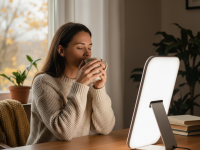
Outdoor light is highly effective because it provides a bright, broad-spectrum spectrum of light. Aim for 10,000 lux or more if you can safely achieve it outdoors, which typically requires standing outside in daylight for about 10–30 minutes depending on cloud cover and your location. If outdoor conditions are challenging, bright indoor lighting can help, but usually at lower lux levels (roughly 1,000–2,000 lux) and for longer durations. Light therapy devices can deliver 2,500–10,000 lux and are useful for people with atypical schedules who cannot rely on morning outdoor light.
What activities work best with morning light?
Outdoor activities are ideal during the morning light window. A brisk 15–30 minute walk, a coffee on a balcony, or a workout outdoors can amplify the alerting effect. Try to spend at least part of the exposure time without sunglasses or hats that block the short-wavelength blue light. After your light exposure, you can proceed with your morning routine—just be mindful that some people prefer to have caffeine after the light cue to avoid jitteriness.
Safety and practical considerations
Morning light is generally safe, but it’s wise to protect your skin if you are outside for extended periods, especially if you have sensitive skin or a history of skin cancer. A broad-spectrum sunscreen can be used after the initial light cue or during longer exposures. For eye safety, avoid looking directly at the sun. If you wear contact lenses, keep up with regular eye care. If you have retinal concerns or take medications that increase light sensitivity, consult with a clinician before starting a light-based routine.
Who benefits and when to seek guidance
Regular morning light exposure benefits most people, including those with irregular work schedules, jet lag, or difficulty falling asleep at night. It can improve daytime alertness, mood, and cognitive performance. Certain populations may need tailored plans, such as shift workers, travelers dealing with jet lag, children who wake early, and older adults who may have altered circadian timing.
Special populations and scenarios
- Shift workers: Use bright light during the start of your shift and limit light exposure before bed to promote sleep later. A carefully timed light plan can reduce sleepiness on night shifts and support recovery on days off.
- Jet lag: For eastward travel, seek morning light at the destination to advance your clock. For westward travel, morning light may help but you might also use strategic light avoidance in the evening.
- Children and adolescents: Encourage outdoor activity in the morning as part of daily routines to support school-day alertness and healthier sleep patterns.
- Elderly individuals: Morning light can help counteract daytime sleepiness and improve mood and cognitive function, but safety and vision considerations should be reviewed with a clinician.
Common questions about morning light and circadian health
Is indoor light enough for circadian benefits?
Indoor light can contribute to circadian alignment, but it is usually less intense than outdoor daylight. If you cannot reliably access outdoor light in the morning, using a high-quality light therapy device with appropriate lux levels can be a practical substitute, especially for those with limited outdoor time.
Does I need to avoid blue light at night?
Yes. Light that is rich in blue wavelengths in the evening can delay sleep by suppressing melatonin. Prioritize dim, warm lighting in the evening and consider blue-light–reducing settings on screens. The morning blue-light cue is beneficial, but the same wavelengths can be disruptive later in the day if used too close to bedtime.
Can I rely on a single minute of sun and still see benefits?
A one-minute exposure is unlikely to be enough. Consistency matters more than a single intense session. Regular, practical morning light exposure—typically 10–30 minutes outdoors or equivalent bright indoor light—produces the most reliable circadian entrainment over time.
Conclusion
Morning sunlight exposure for circadian rhythm is a straightforward, evidence-based habit with broad benefits for sleep, mood, and daytime performance. By prioritizing timely, adequate, and safe light exposure, you can strengthen your internal clock and improve your overall health. If you have a history of sleep disorders, shift work, or other health concerns, consider discussing a personalized light plan with a healthcare professional to optimize outcomes.
A healthy adult stands at dawn in a quiet city park, facing the rising sun with a relaxed posture and a subtle smile. Golden sunrise light washes over the scene, casting long shadows on dewy grass. The person wears comfortable athletic clothing and is lightly shaded by trees, with soft bokeh in the background. Include a faint, tasteful overlay graphic showing a circadian rhythm concept: a small sun icon connected to a circular clock with labels like melatonin, alertness, and sleep. Color palette: warm ambers and cool sky blues, natural skin tones, high realism, photorealistic textures.
Create a clean, visually accessible infographic titled Morning Light Guidelines. Use a vertical layout with a sun at the top, a clock, and a person outdoors. Include sections labeled Timing (within 30–60 minutes of waking), Duration (10–30 minutes outdoors; longer if necessary), Brightness (outdoor daylight 10,000+ lux; indoor light as substitute 1,000–2,000 lux), and Activities (walk, stretch, coffee outside). Use color coding (blue for timing, orange for duration, teal for brightness). Include small icons for a clock, sun, sunglasses, and a walking figure. The design should be suitable for blog use, high contrast, legible typography, and scalable for mobile viewing.