Impact of stress on dental health is more significant than many people realize. Stress can trigger behaviors and biological changes that directly harm teeth, gums, and surrounding tissues, increasing risk for problems like bruxism, gum disease, and dry mouth.
As an experienced dental health consultant and medical writer, I will explain how stress affects your oral health, what signs to watch for, and evidence-based steps to prevent and treat stress-related dental problems. This guidance is grounded in recommendations from dental and medical organizations and clinical best practices.
How stress affects the mouth: key mechanisms
Stress influences oral health through both behavioral and physiological pathways. Understanding these mechanisms helps explain why emotional strain often shows up as a dental problem.
Teeth grinding and bruxism
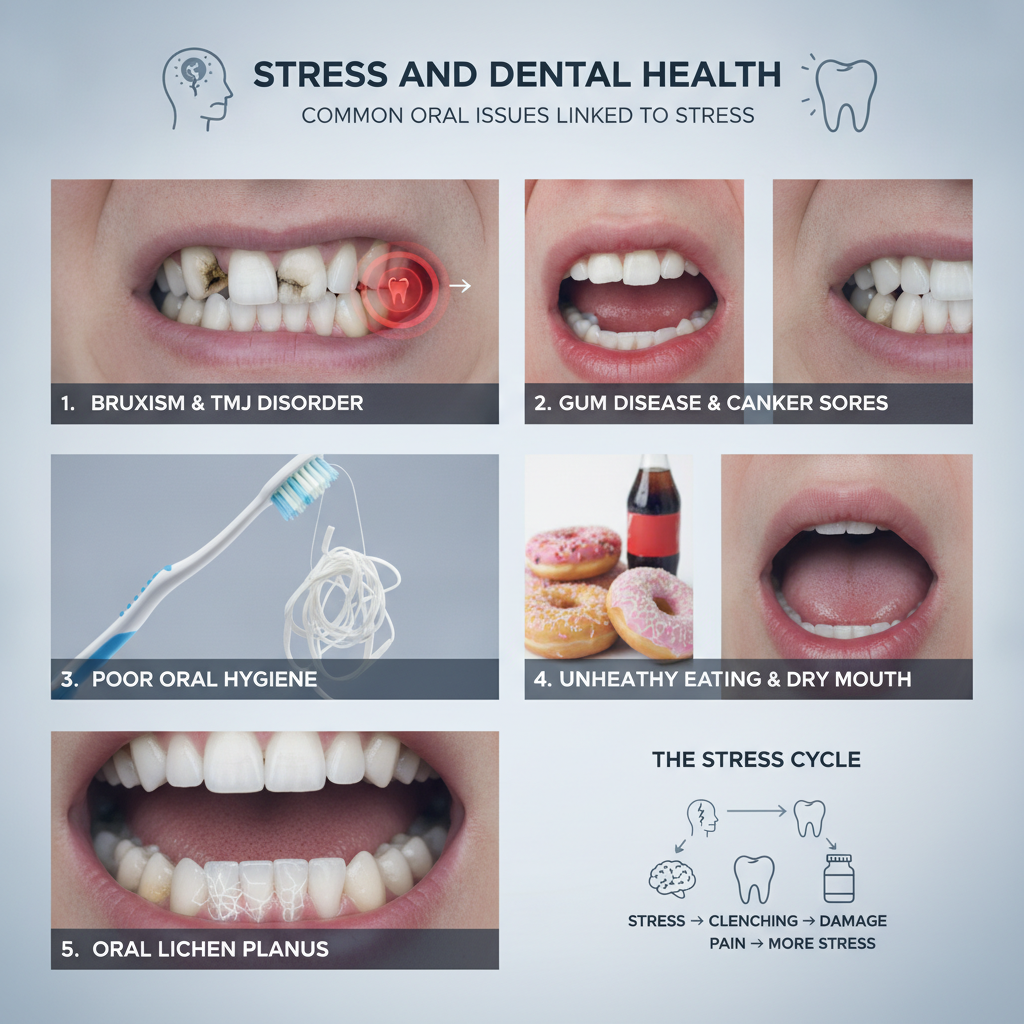
Chronic stress and anxiety commonly lead to subconscious teeth grinding and jaw clenching, especially during sleep. Bruxism wears enamel, increases tooth sensitivity, causes fractures, and can lead to temporomandibular joint (TMJ) pain.
Dry mouth and saliva changes
Stress activates the sympathetic nervous system and can reduce saliva production. Saliva protects teeth by neutralizing acids and washing away food debris, so reduced flow raises risk for cavities and oral infections.
Altered immune response and gum disease
High stress levels affect immune function and inflammatory responses, which may increase susceptibility to periodontal (gum) disease. Stress-related inflammation can worsen existing gum inflammation and slow healing after dental procedures.
Behavioral changes and oral hygiene
Under stress, people often change routines: brushing and flossing may be neglected, diet may shift toward sugary or acidic comfort foods, and tobacco or alcohol use can increase. These behaviors compound the direct biological effects of stress on the mouth.
Common signs and symptoms to watch for
- Jaw pain, clicking, or limited mouth opening (possible TMJ disorder)
- Worn, flattened, chipped, or sensitive teeth (signs of bruxism)
- Persistent dry mouth or increased cavities
- Bleeding, swollen, or receding gums
- Frequent cold sores or other oral infections during high-stress periods
- Headaches that originate from jaw muscle tension
Health consequences and potential complications
If unaddressed, stress-related oral conditions can progress to more serious problems. Severe bruxism may necessitate restorative dental work or crowns. Advanced gum disease can lead to tooth loss and has associations with systemic health issues, including cardiovascular disease and poor glycemic control in diabetes.
Early recognition and management reduce long-term damage and often prevent the need for extensive dental procedures.
Evidence-based prevention and treatment strategies
Combining dental care with stress management and lifestyle changes yields the best outcomes. Below are practical, clinician-approved strategies you can implement immediately.
Dental interventions
- Occlusal guard (night guard): A custom-fitted mouthguard by your dentist protects teeth from grinding and reduces jaw strain during sleep.
- TMJ evaluation: If you have jaw pain, a dental or orofacial pain specialist can assess for TMJ disorders and recommend targeted treatments such as physical therapy or occlusal adjustments.
- Periodontal care: Professional cleanings and, when needed, non-surgical periodontal therapy reduce gum inflammation and infection risk.
- Restorative work: Cracked or worn teeth should be repaired to prevent further damage and restore function.
Medical and stress-management approaches
- Cognitive-behavioral therapy, counseling, or stress-reduction programs can lower anxiety and reduce behavior-driven dental harm.
- Relaxation techniques—progressive muscle relaxation, deep breathing, and guided imagery—help decrease nighttime clenching and improve sleep quality.
- Regular physical activity, adequate sleep, and balanced nutrition support immune function and resilience to stress.
- When appropriate, a primary care clinician or psychiatrist may consider short-term or targeted medication for anxiety or sleep disorders as part of a multidisciplinary approach.
Home care and oral hygiene
Maintain consistent brushing twice daily with fluoride toothpaste and floss once daily. Use alcohol-free mouthwashes if dry mouth is a problem, and consider saliva-stimulating products or sugar-free chewing gum to boost saliva flow.
Limit acidic and sugary foods and beverages, avoid tobacco, and reduce alcohol intake. Small daily habits protect teeth while you address the root causes of stress.
When to see a dentist or doctor
Schedule a dental appointment if you notice signs of grinding, new or worsening tooth sensitivity, persistent jaw pain, or bleeding gums. Tell your dentist about recent life stressors and any sleep disturbances so they can evaluate for bruxism and TMJ issues.
See your primary care provider or a mental health professional if stress or anxiety interferes with daily functioning, sleep, or appetite. Coordinated care between dental and medical providers offers the best chance for recovery.
Conclusion
The impact of stress on dental health is real, multifactorial, and often reversible with timely action. By recognizing symptoms early, seeking dental evaluation, and adopting stress-reduction strategies, you can protect your smile and overall health.
If you suspect stress is affecting your mouth, book an appointment with your dentist and consider complementary stress-management support to address both the symptoms and the underlying cause.