What is tongue scraping and why it matters
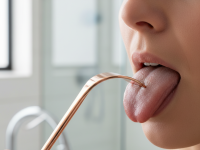
Tongue scraping refers to gently removing debris, bacteria, and dead cells from the tongue surface using a dedicated scraper. It complements brushing and flossing by targeting a zone that toothbrushes often reach incompletely—the tongue dorsum. While brushing the tongue can help, many people find a scraper more effective at removing tongue coating and reducing residue that contributes to bad breath.
By reducing the microbial load and tongue coating, tongue scraping may lower the production of volatile sulfur compounds that cause morning breath and persistent halitosis. It also supports a fresher mouth and can improve comfort during meals and conversation. Importantly, tongue scraping is an adjunct—not a replacement—for a thorough oral hygiene routine including brushing, flossing, and regular dental checkups.
The science behind tongue scraping: what the research suggests
Reduction of tongue coating and bacterial load
Clinical studies indicate that tongue scraping can meaningfully reduce tongue coating and the number of bacteria on the tongue surface. Systematic reviews of small trials consistently report improvements in breath odor when tongue cleaning is added to daily oral care. The magnitude of benefit varies among individuals, and results depend in part on the scraping technique and tool used. While the evidence supports a positive effect on odor and coating, tongue scraping is most effective when paired with regular brushing and dental hygiene practices.
Impact on taste perception and saliva
Some researchers have explored whether removing coating from the tongue can enhance taste sensitivity and saliva distribution. Preliminary findings suggest that a cleaner tongue surface may improve taste perception for certain flavors and can influence the sensory experience of eating. More high-quality research is needed to understand the consistency and durability of these effects across populations.
Benefits of tongue scraping for oral health
The benefits of tongue scraping extend beyond fresher breath. When used correctly, it can contribute to a healthier mouth in several tangible ways:
- Reduces halitosis by removing odor-causing bacteria and volatile sulfur compounds.
- Lowers the bacterial load on the tongue surface, complementing brushing and flossing.
- Decreases tongue coating, which can trap food particles and bacteria.
- May improve taste perception and comfort during meals by exposing the taste buds to a cleaner tongue.
- Supports overall oral hygiene and can contribute to a more confident social and professional presence.
How to practice tongue scraping safely and effectively
Choosing a tongue scraper
Tongue scrapers come in metal, plastic, and silicone designs. Metal scrapers (stainless steel or copper) tend to be durable and easy to clean, while plastic or silicone variants can be gentler for sensitive mouths. Choose a scraper with a smooth edge and a comfortable handle. Clean the scraper after each use with warm water and soap, or run it through a dishwasher if it’s dishwasher-safe. Do not share tongue scrapers to maintain hygiene.
Step-by-step technique
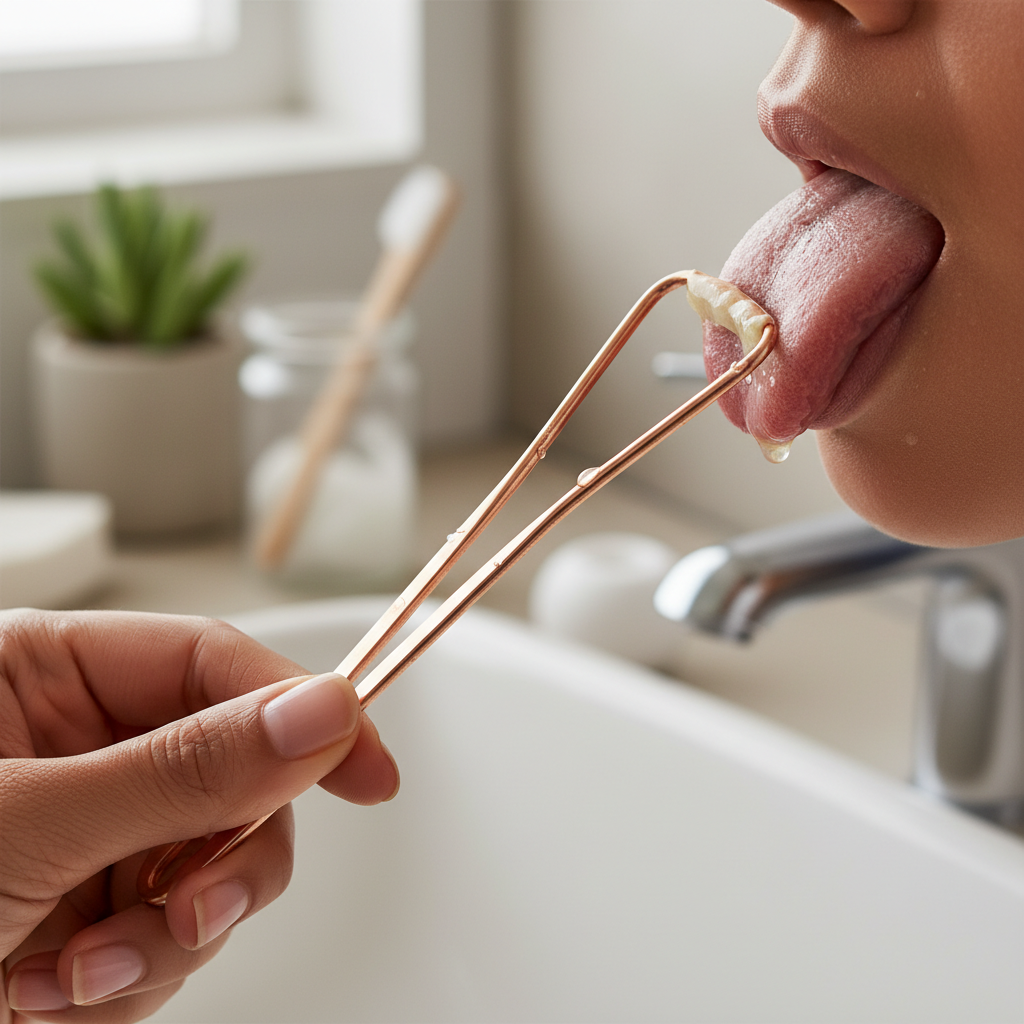
- Gently extend your tongue and place the scraper as far back on the tongue as you can comfortably reach without triggering a gag reflex.
- Close your lips and slowly pull the scraper forward along the surface of the tongue, applying light pressure to remove the coating.
- Rinse the tongue scraper after each pass and repeat 2–3 times, covering the front, middle, and back areas of the tongue as tolerated.
- Rinse your mouth with water or a mouthwash after scraping to remove loosened debris.
- Clean and dry the scraper and store it in a clean area.
Who should avoid or consult a dentist first
Most people can safely use a tongue scraper, but several groups should exercise caution or consult a dental professional first. Those with a very sensitive gag reflex, oral ulcers, or persistent tongue pain should seek guidance. If you have fissured tongue, oral infections, or recent dental surgery, talk to your dentist before starting a tongue-scraping routine. Pregnant or breastfeeding individuals should consult their clinician if they have concerns about any oral hygiene practices.
Integrating tongue scraping into a daily routine
Incorporating tongue scraping into your daily routine is straightforward. Many people prefer performing it in the morning as part of a refreshed start to the day, but it can be done at any time. Since tongue scraping complements but does not replace brushing and flossing, schedule it as a step in your overall oral hygiene plan. Pair it with hydration, mouthwash if used, and a balanced diet to support mouth health over time.
Conclusion
Tongue scraping is a practical, evidence-aligned habit that can support fresh breath, cleaner tongues, and a healthier oral microbiome when used correctly. While not a substitute for comprehensive dental care, it serves as a valuable adjunct to brushing, flossing, and regular dental checkups. If you’re curious about whether tongue scraping is right for you, discuss it with your dentist, especially if you have any existing mouth conditions or concerns about technique. With careful practice, tongue scraping can become a simple, empowering tool in your daily health routine.