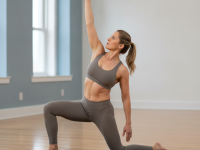
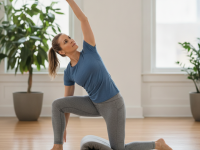
Hip flexor releases for lower back stiffness are an effective way to relieve pain, restore mobility, and reduce compensatory strain on the lumbar spine. If you feel a deep front-of-hip tightness or stiffness across your lower back, targeted hip flexor release and mobility work can be an important first-line self-care step.
Why tight hip flexors contribute to lower back stiffness
The hip flexor group — primarily the psoas major, iliacus, and rectus femoris — connects the front of the hip to the lumbar spine and pelvis. When these muscles are short, tight, or overactive they can pull the pelvis into anterior tilt and increase compressive forces on the lower lumbar joints.
This altered posture often produces a feeling of stiffness or aching in the low back, especially after prolonged sitting or with repetitive hip flexion activities. Addressing the soft tissue tension and restoring hip extension range of motion helps reduce the mechanical load on the lower back.
Signs that hip flexor releases may help
Not everyone with low back stiffness needs hip flexor work, but these signs suggest it may be useful: front-of-hip tightness, difficulty fully straightening the hip, lower back stiffness after sitting, or activation of the lumbar muscles when trying to bend forward. A simple self-test is laying on your back and pulling one knee to the chest — if the opposite thigh lifts off the table, the hip flexor on that side may be tight.
Use these simple assessments as a guide, but if you have unknown neurological symptoms, progressive weakness, or severe pain, seek a clinician evaluation before self-treatment.
Safe hip flexor release techniques
Below are evidence-informed, clinically used methods for releasing hip flexors. Start gently and progress intensity slowly. Always breathe deeply and stop if you feel sharp pain, numbness, or tingling.
1. Self-myofascial release with a tennis ball or lacrosse ball
- Lie face down with a firm ball placed under the front of the hip (just below the ASIS and lateral to the midline).
- Support your torso on your forearms and shift your weight onto the ball. Breathe deeply and hold over a tender spot for 30–60 seconds, avoiding bone contact.
- Gently move the ball in small circles or slightly flex/extend the hip to target different fibers. Repeat 1–3 times per side.
2. Foam roller hip flexor release
- Kneel and place a foam roller under one hip crease while supporting yourself on your forearms or hands.
- Roll slowly along the front of the thigh and into the hip crease for 30–90 seconds, pausing on tender spots. Control pressure by shifting weight to the other side.
- Use a softer roller initially if the area is very sensitive.
3. Kneeling hip flexor stretch with diaphragmatic breathing
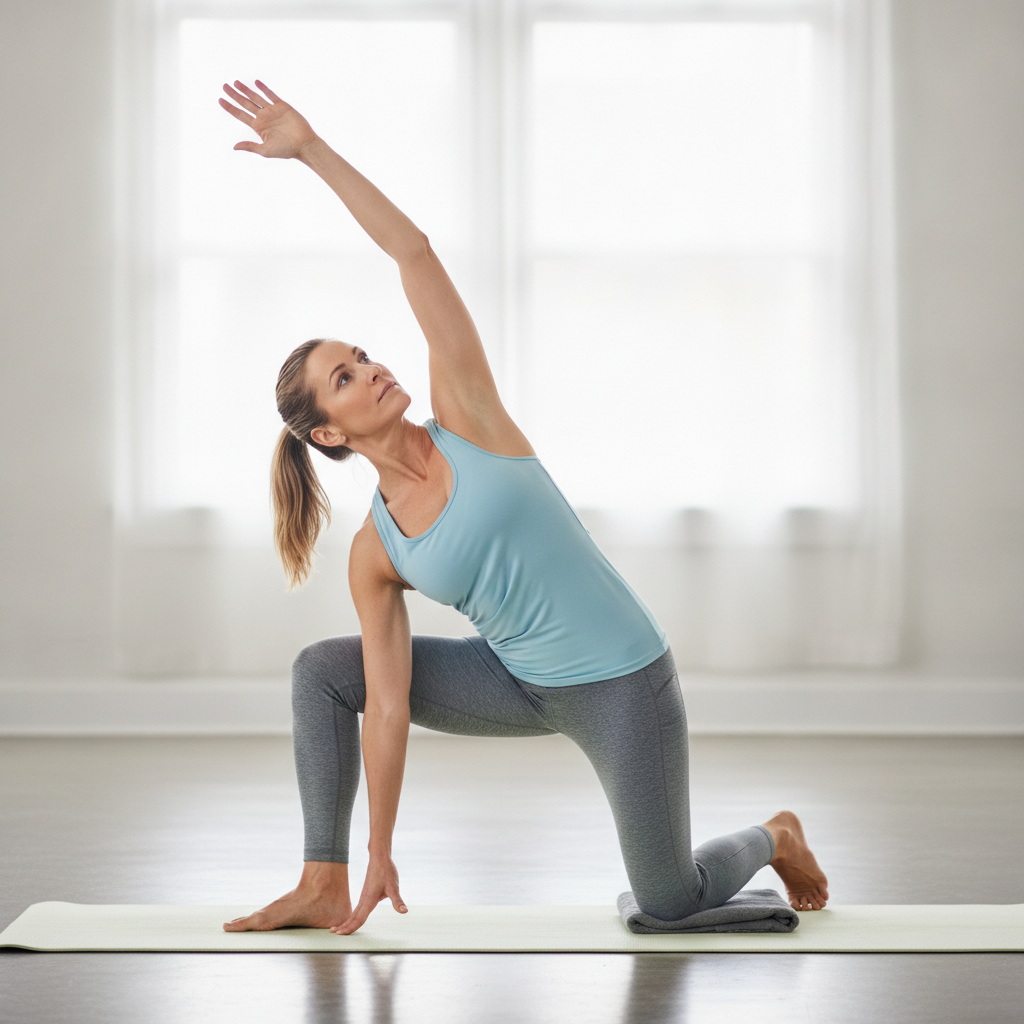
- Kneel in a half-kneeling lunge with the back knee on a pad and the front foot balanced forward.
- Gently tuck the pelvis under (posterior pelvic tilt) and drive the hips forward until you feel a stretch in the front of the hip. Keep the torso upright.
- Inhale deeply, then exhale while trying to relax the hip and breathe into the belly. Hold 30–45 seconds and repeat 2–3 times per side.
4. Active release / dynamic hip extension
- Stand and perform slow, controlled leg swings behind the body (hip extension) while maintaining core stability. Start with low amplitude and increase gradually.
- Alternatively, perform glute bridges focusing on full hip extension and conscious relaxation of the front hip during the lift.
- These techniques promote neuromuscular re-education rather than passive stretching alone.
5. Trigger point release with manual pressure
- Locate tender spots in the deep anterior hip region using a ball or your fingers. Apply steady, moderate pressure for 20–60 seconds while breathing slowly.
- Combine pressure with small, controlled movements of the hip to blend compression with movement, a technique used by physical therapists.
Breathing, posture, and core activation
Diaphragmatic breathing and core activation are essential complements to hip flexor releases. Proper breathing decreases sympathetic tone and reduces global muscle guarding, allowing the hip flexors to relax more effectively.
Practice abdominal bracing and pelvic neutral during stretches and strengthening to prevent the lumbar spine from overcompensating. Simple pelvic tilts and dead bug progressions help integrate hip mobility with spinal stability.
How often and when to progress
Begin with daily gentle releases and stretch sessions for 1–2 weeks, especially if you sit for long periods. As soreness resolves, reduce to 3–4 times weekly and incorporate strengthening and functional movement patterns.
Progress by increasing range, adding dynamic activity, and addressing movement habits that recreate the tightness (e.g., prolonged sitting, poor posture, weak glutes). Improvements are often felt within days, but meaningful structural and motor changes may take 4–12 weeks.
When to avoid hip flexor releases and red flags
Do not perform self-release techniques if you have unexplained leg weakness, progressive numbness, loss of bowel or bladder control, acute severe trauma, or recent surgery in the area. These are red flags that require immediate medical attention.
If you have known herniated discs, significant spinal stenosis, or severe hip osteoarthritis, consult a physical therapist or physician to tailor safe techniques. Pregnant individuals should use modified positions and get clearance from their prenatal care provider.
Long-term strategies to prevent recurrence
Addressing hip flexor tension requires more than periodic stretching. Implement regular movement breaks if you sit for long periods, strengthen hip extensors and core muscles, and optimize ergonomics. Aim for a balanced routine of mobility, strength, and aerobic activity.
Consider a short course of guided physical therapy if pain persists beyond a few weeks, interferes with daily activities, or if you want a progressive, individualized program to safely return to sport or heavy activity.
Summary
Hip flexor releases for lower back stiffness can be a safe and effective component of pain relief and mobility restoration when performed correctly. Use a combination of self-myofascial release, targeted stretching, breathing, and progressive strengthening to address both tissue tightness and the movement patterns that cause it.
If symptoms are severe, progressive, or accompanied by neurological signs, seek professional evaluation. With consistent practice and attention to posture and movement, most people experience meaningful reductions in stiffness and improved function.