Hip flexor releases for lower back stiffness are practical self-care techniques that can reduce tightness, improve mobility, and relieve discomfort. If you sit for long periods or feel a persistent ache in your lower back, targeted hip flexor work can be an effective part of your recovery plan.
Why hip flexors affect lower back stiffness
The hip flexors—primarily the psoas major and iliacus—attach the front of the hip to the lumbar spine and pelvis. When these muscles become tight or overactive they can pull the pelvis into anterior tilt, increasing compression and stiffness in the lower back.
Tight hip flexors also alter movement patterns, reducing hip extension during walking and lifting and placing extra load on lumbar segments. Addressing hip flexor tone and mobility often reduces mechanical stress and helps break the cycle of stiffness and pain.
Anatomy overview: the psoas and its role
The psoas major originates from the lumbar vertebrae and inserts into the femur, making it unique among hip flexors because of its direct connection to the spine. The iliacus sits adjacent in the pelvis and works with the psoas to flex the hip.
Both muscles are deep, so tightness may present as a deep ache in the front hip, groin, or as referred stiffness in the low back. Understanding this link helps explain why treating the hip flexors can improve back symptoms.
Signs you may benefit from hip flexor release
- Persistent low back stiffness, especially after prolonged sitting.
- Limited hip extension or pain when trying to lunge or take long strides.
- Anterior pelvic tilt visible as increased lumbar curve.
- Discomfort with prolonged standing that improves with walking.
Safe hip flexor release techniques
Below are evidence-informed, clinician-friendly methods you can use at home. Perform all techniques gently; they should reduce tension without producing sharp or worsening pain.
1. Self-myofascial release with a massage ball
Tools: lacrosse ball or firm massage ball.
- Lie on your stomach and place the ball under the front of one hip, just below the level of the belly button and lateral to the midline.
- Start with body weight supported on your forearms and slowly shift to place moderate pressure on the ball. Hold on tender spots for 30–60 seconds while breathing deeply.
- Move the ball slightly to explore the area along the inner hip and just lateral to the pubic bone, spending 2–4 minutes per side.
2. Foam roller modification (less direct for psoas)
Because the psoas is deep, foam rolling the front thigh (quadriceps) and hip flexor region can provide indirect release. Gently roll for 1–2 minutes per area, avoiding sharp pain.
3. Contract–relax (active release) for the hip flexor
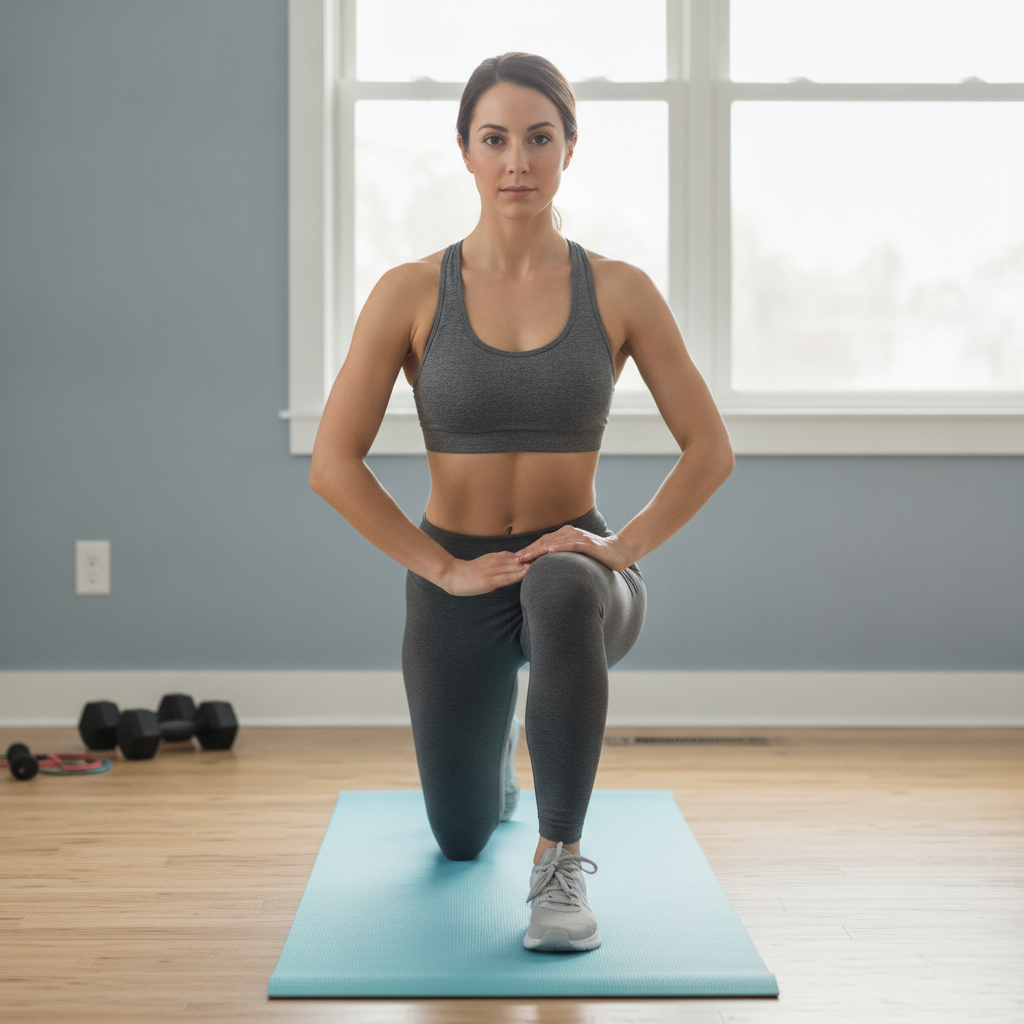
- Kneel in a half-kneeling lunge with one knee down and the other foot forward.
- Tilt your pelvis posteriorly and engage your glute on the kneeling side, then actively bring the knee forward slightly against a light resistance (5–10 seconds).
- Relax, then gently move into a deeper hip extension stretch for 20–30 seconds. Repeat 3–5 times per side.
4. Kneeling hip flexor stretch (static)
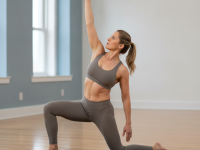
Place one knee on the floor with the opposite foot forward. Tuck the pelvis under to lengthen the front of the hips and reach the same-side arm up for a deeper stretch. Hold 30–45 seconds and repeat 2–3 times per side.
5. Strength and motor control (to prevent recurrence)
Stretching and release should be paired with strengthening of the glutes and core to restore balanced movement patterns. Key exercises include:
- Glute bridge: 2–3 sets of 10–15 reps.
- Bird dog: 2–3 sets of 8–12 reps per side focusing on neutral spine.
- Dead bug: 2–3 sets of 8–12 reps per side to improve core control during hip movement.
Sample 10-minute daily routine
This brief sequence blends release, stretch, and activation. Perform slowly and breathe.
- 30–60 seconds massage ball release per side.
- Kneeling hip flexor stretch 30–45 seconds per side.
- Contract–relax sequence 3 times per side.
- Glute bridges 2 sets of 12 reps.
- Bird dog 2 sets of 8 reps per side.
Precautions and red flags
Stop any technique that causes increasing sharp, shooting, or radiating pain down the leg, numbness, or weakness. Those with recent trauma, suspected herniated discs with neurological signs, untreated osteoporosis, or pregnancy should consult a clinician before attempting deeper releases.
If pain is severe, disproportionate, or accompanied by bowel/bladder changes, seek urgent medical attention.
When to see a clinician
Consider physical therapy if you have ongoing low back pain despite self-care, progressive symptoms, or recurrent flare-ups. A licensed physical therapist can perform hands-on psoas release, guided active release techniques, and design a progressive program tailored to your biomechanics.
Evidence and clinical perspective
Clinical guidelines for chronic low back pain favor combined approaches that include mobility work, motor control retraining, and strength training. While isolated soft-tissue techniques can provide short-term relief, sustained improvement usually requires addressing movement patterns and strength deficits.
As a professional health consultant with over a decade helping patients and creating evidence-based rehabilitation programs, I recommend integrating hip flexor releases into a broader, individualized plan to best reduce lower back stiffness and restore function.
Practical tips for long-term success
- Break up long periods of sitting every 30–60 minutes with a brief walk or hip mobility drill.
- Set posture reminders and use ergonomic seating to reduce hip flexor shortening.
- Progress slowly: combine release, stretching, and strengthening over weeks rather than expecting immediate permanent change.
Bottom line
Hip flexor releases for lower back stiffness can be a safe and effective component of managing mechanical low back discomfort. When combined with targeted strengthening and movement re-education, they help restore balance to the hips and spine and reduce recurring stiffness.
If you are unsure which techniques suit you or you have red flags, consult a licensed physical therapist or clinician for personalized guidance.