Hip flexor releases for lower back stiffness are simple, evidence-informed techniques you can do at home to reduce tension and improve mobility. Hip flexor releases for lower back stiffness target tight muscles (like the iliopsoas and rectus femoris) that commonly pull on the pelvis and contribute to lumbar discomfort.
Why tight hip flexors cause lower back stiffness
The hip flexors connect the front of the thigh and pelvis to the lower spine. When they are chronically tight, they tilt the pelvis anteriorly and increase compression and stiffness in the lumbar spine. This biomechanical link helps explain why many people with sedentary jobs, prolonged sitting, or high training loads experience both hip and lower back symptoms.
Who benefits and precautions
People with mechanical lower back stiffness, reduced hip extension, or postural anterior pelvic tilt often benefit from safe hip flexor release work. However, if you have acute trauma, red-flag symptoms (numbness, progressive weakness, bowel/bladder changes), inflammatory disease, or recent surgery, consult a healthcare professional before attempting self-release.
Quick self-assessment
Before starting, check basic mobility: lie supine and pull one knee to your chest. The opposite leg should remain flat on the surface. If the opposite knee lifts off the table, hip flexor tightness is likely present. You can also note anterior pelvic tilt, difficulty fully extending the hip, or pain with prolonged sitting.
Evidence-based release techniques
Use a combination of self-myofascial release, active mobility, and targeted stretching for best results. Research and clinical practice indicate that short bouts of foam rolling or ball release combined with active movement produce meaningful short-term decreases in muscle tone and improved range of motion.
1. Foam roller myofascial release
Lie facing down with a foam roller under the front of the hip near the crease. Support your torso on forearms and slowly roll from the pubic bone area toward the upper thigh. Move slowly and stop on tender spots for 20–30 seconds, breathing calmly. Repeat 2–3 times per side.
2. Trigger-point release with a ball
Use a lacrosse or tennis ball placed under the front of the hip while lying supine or in a half-kneeling position. Apply gentle pressure and hold on sensitive spots for 20–30 seconds. Avoid direct pressure over the hip joint or groin; focus on muscle belly areas. Repeat 3–5 times per side.
3. Active release / contract-relax
Lie on your back with one knee bent and the other leg straight. Gently contract the hip flexor (try to lift the leg a few centimetres) for 5 seconds against resistance, then relax and actively move the leg into a deeper stretch. Repeat 4–6 times. This neuromuscular approach helps reset muscle length and reduce guarding.
4. Kneeling hip flexor stretch (dynamic)
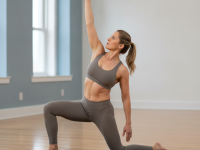
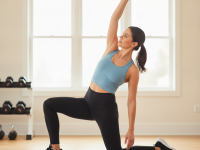
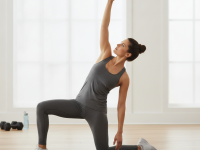
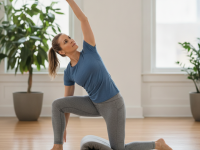
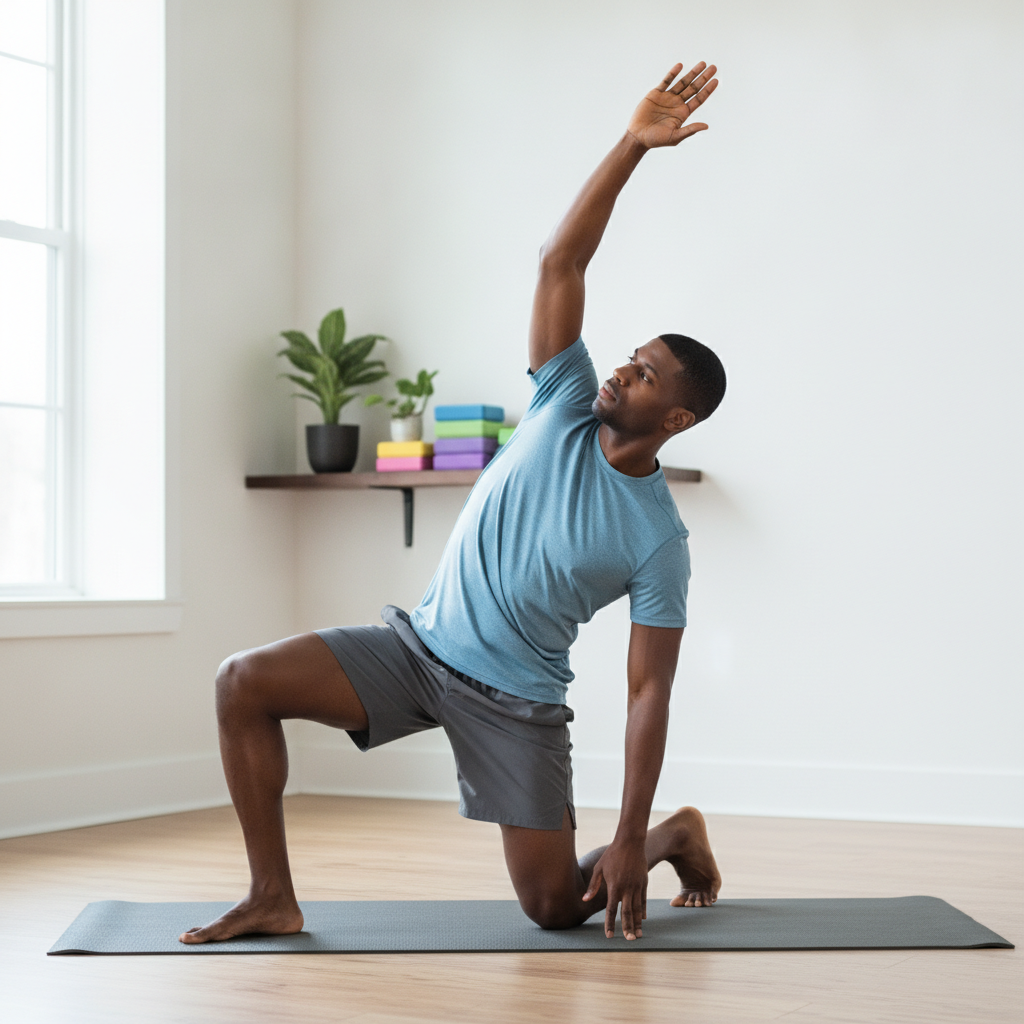
From a half-kneeling position, tuck the pelvis under (posterior pelvic tilt) and shift hips forward until you feel a stretch in the front of the hip. Engage the glute of the front leg and hold for 20–30 seconds. For an active component, pulse gently forward and back 8–10 times. Perform 2–3 sets per side.
5. Standing dynamic lunges and hip extension drills
Perform forward lunges with an emphasis on achieving full hip extension on the back leg. Use controlled steps and focus on glute activation rather than collapsing into the lower back. Do 8–12 repetitions per side to build mobility and strength concurrently.
Sample 10-minute routine for lower back stiffness
- 1 minute: Supine hip flexor ball release (each side 30s)
- 2 minutes: Foam roller glide along hip flexor (each side 1 min)
- 2 minutes: Kneeling hip flexor stretch with posterior pelvic tilt (each side 1 min)
- 2 minutes: Active contract-relax (4–6 reps per side)
- 3 minutes: Dynamic lunges focusing on hip extension (8–12 reps per side)
Progression and frequency
Start with gentle releases and perform the routine 3–5 times per week. If stiffness improves, reduce frequency to maintenance 2–3 times weekly. Progress by increasing hold times, integrating dynamic movement, and adding strengthening exercises for the glutes and core to address contributing weaknesses.
Complementary strategies
Address sedentary behavior by interrupting prolonged sitting every 30–60 minutes with standing or short walks. Strengthening the posterior chain—glute bridges, Romanian deadlifts, and integrated core work—supports hip extension and reduces compensatory lumbar loading. Consider a physical therapist for individualized assessment and manual therapy when needed.
Safety tips and red flags
Always move within a comfortable range and avoid sharp, radiating, or worsening pain during releases. If you experience new numbness, tingling, progressive weakness, fever, unexplained weight loss, or loss of bowel/bladder control, stop immediately and seek urgent medical attention. Pregnant individuals should modify positions and consult their clinician before performing deep releases.
Practical tips from clinicians
- Prioritize consistency: short daily work is better than infrequent long sessions.
- Combine releases with activation: stretching without strengthening often yields temporary results.
- Use heat briefly before release for added relaxation, and ice afterward if there is localized soreness.
- Keep technique slow and mindful—breathing helps reduce protective muscle tension.
Conclusion
Hip flexor releases for lower back stiffness are a practical, evidence-informed component of a multimodal approach to reduce stiffness and restore hip extension. When combined with targeted strengthening, posture changes, and appropriate professional guidance, these techniques can meaningfully improve function and reduce discomfort. If symptoms persist or worsen, seek assessment from a physical therapist or physician.