Dietary changes for interstitial cystitis: practical, evidence-informed guidance
Dietary changes for interstitial cystitis can significantly reduce bladder pain, urinary urgency, and frequency for many people. Small, targeted shifts in what and how you eat often make daily life more comfortable and predictable.
Interstitial cystitis (IC), also called bladder pain syndrome, varies widely between individuals. There is no single “IC diet,” but research and clinical experience show that identifying personal triggers and following bladder-friendly principles helps most patients.
How food affects the bladder
Foods and beverages can irritate the bladder lining, changing urine pH or stimulating nerve pathways that worsen pelvic pain and urgency. Common offenders include acidic items, stimulants, and certain additives.
Because sensitivities differ, a personalized approach—tracking intake, eliminating suspected triggers, then reintroducing items slowly—offers the clearest path to lasting symptom relief.
Common trigger foods and beverages to consider avoiding
- Caffeine: coffee, black tea, energy drinks, and some sodas can increase urgency and pain.
- Alcohol: particularly wine and spirits that may irritate bladder tissue.
- Citrus fruits and juices: oranges, lemons, limes, grapefruit, and their juices are common irritants.
- Tomato-based products: sauces, ketchup, and salsa are acidic triggers for many people.
- Carbonated beverages: carbonation itself can provoke bladder symptoms.
- Spicy foods and strong vinegar-based condiments: chili, hot sauce, and pickles.
- Artificial sweeteners and acidic candies: aspartame, sucralose, and sour candies can cause flares.
- Chocolate and aged cheeses: contain biogenic amines that may be problematic for some.
Bladder-friendly foods to emphasize
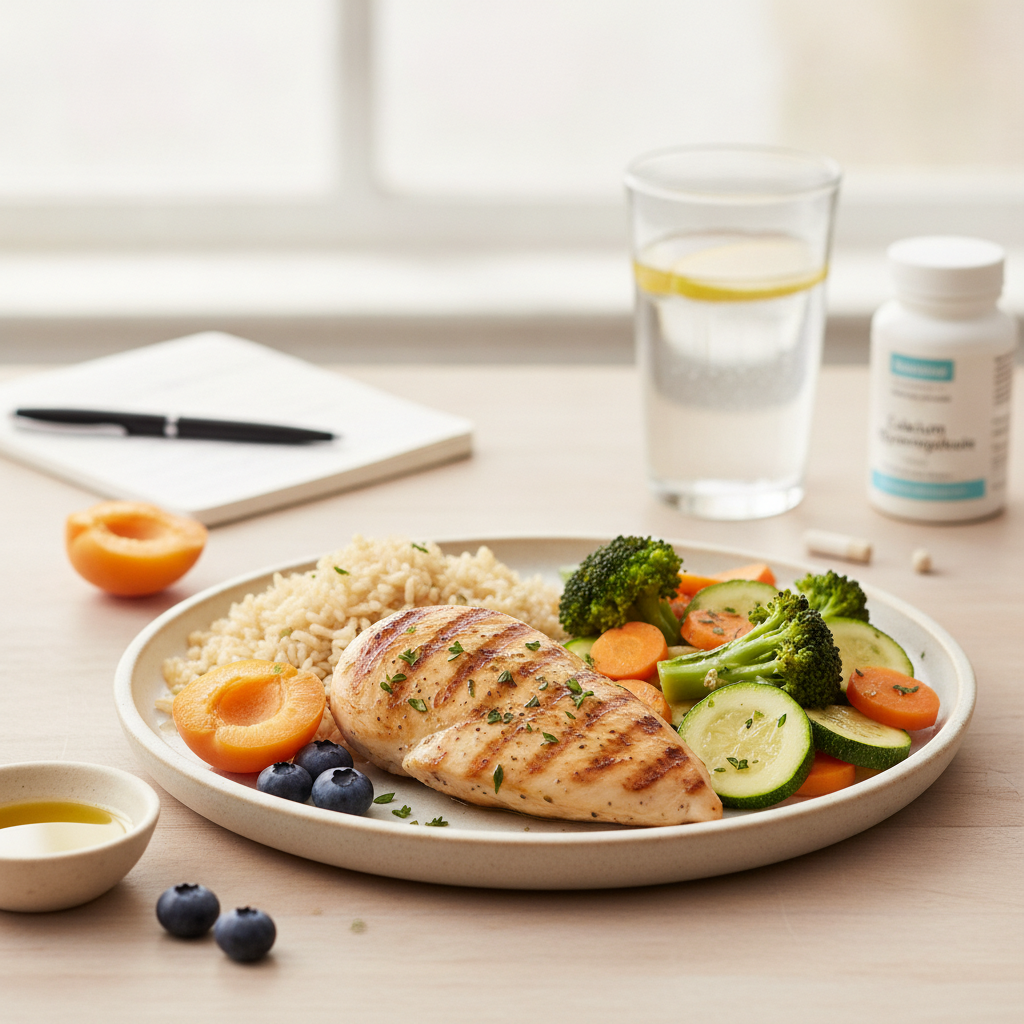
Focusing on low-acid, minimally processed, and anti-inflammatory foods helps many people with IC. Prioritize whole foods and stable hydration patterns rather than relying on restrictive lists alone.
- Non-citrus fruits: pears, apples (peeled if needed), melons, and berries in moderation.
- Vegetables: leafy greens, cucumbers, zucchini, sweet potatoes, and steamed carrots.
- Lean proteins: chicken, turkey, fish, eggs, and plant proteins like tofu and legumes if tolerated.
- Whole grains: oatmeal, brown rice, quinoa, and gluten-free oats if gluten worsens symptoms.
- Healthy fats: olive oil, avocado (if tolerated), and small amounts of nuts or seeds.
- Hydrating options: plain water and tolerated herbal teas (e.g., rooibos, chamomile if non-irritating).
How to implement an elimination diet for IC
Use a structured elimination diet to discover personal triggers safely. This method reduces guesswork and helps you keep improvements once triggers are identified.
- Step 1 — Baseline: For 1–2 weeks, follow a short list of widely tolerated foods (plain proteins, cooked non-acidic vegetables, rice, pears, and water).
- Step 2 — Eliminate: Remove common trigger foods and beverages for 3–6 weeks while tracking symptoms daily in a food-bladder diary.
- Step 3 — Reintroduce: Reintroduce one food at a time every 3–4 days and watch for symptom changes. Return to the baseline diet between tests if symptoms spike.
- Step 4 — Personalize: Build a long-term eating plan based on which items caused flares and which were tolerated.
Keeping an effective food-bladder diary
Record everything you eat and drink, the time of day, portion size, and any bladder symptoms (urgency, frequency, pain, nocturia). Include stress levels and sleep because non-diet factors often affect flares.
Practical meal and lifestyle tips
Small practical changes reduce risk of flares and improve quality of life. Start with adjustments that are easiest to maintain.
- Hydration strategy: Sip water evenly throughout the day rather than drinking large volumes infrequently. Aim for urine that is pale straw colored—not overly dilute.
- Meal composition: Combine protein, healthy fat, and low-acid carbohydrates to stabilize digestion and reduce bladder irritation.
- Cooking swaps: Use herbs like basil and oregano instead of hot spices; choose non-acidic sauces made with olive oil, herbs, and mild stock.
- Eating out: Ask for simple preparations (grilled proteins, steamed vegetables) and avoid sauces or dressings with vinegar or heavy spices.
- Portion control: Large meals can cause reflux or pelvic pressure that may mimic bladder symptoms, so prefer smaller, frequent meals if that helps.
Supplements and adjunct strategies
Certain supplements and nutritional supports can help some patients, but should be discussed with your healthcare provider before starting. Common options include omega-3 fatty acids for anti-inflammatory benefit, probiotics to support gut health, and vitamin D if deficient.
Pentosan polysulfate and bladder instillations are medical treatments for IC; dietary strategies are complementary and not replacements for prescribed therapies. Always coordinate diet changes with your urologist or pelvic pain specialist.
Sample one-day bladder-friendly meal plan
- Breakfast: Oatmeal made with water or tolerated milk alternative, sliced peeled pear, and a sprinkle of cinnamon.
- Snack: Rice cakes with almond butter (if nuts are tolerated) and cucumber slices.
- Lunch: Grilled chicken breast, steamed zucchini and carrots, and quinoa tossed with olive oil and fresh basil.
- Snack: Plain yogurt (if tolerated) with a small portion of melon.
- Dinner: Baked white fish with herb rub, mashed sweet potato, and steamed green beans.
When to seek professional help
If dietary changes do not provide symptom relief or if symptoms worsen, consult a urologist, urogynecologist, or a dietitian experienced with pelvic pain and IC. You may need medical therapies, bladder testing, or a multidisciplinary pain management plan.
Work with a clinician to ensure nutritional adequacy during any elimination or restrictive phase and to rule out other conditions that mimic IC, such as urinary tract infections or overactive bladder.
Bottom line
Dietary changes for interstitial cystitis are highly individualized but powerful. Use a structured elimination approach, keep a careful food-bladder diary, emphasize low-acid whole foods, and coordinate changes with your healthcare team.
With patience and methodical testing, most people with IC can reduce the frequency and severity of flares and regain better control over daily activities.