Benefits of sauna for cardiovascular health are gaining attention as research links regular sauna bathing to lower risk of heart disease, improved blood pressure, and better vascular function. If you’re curious whether heat therapy can be a safe, effective addition to your heart-health routine, this article explains the evidence, mechanisms, practical guidance, and safety considerations.
How sauna bathing affects the cardiovascular system
Sauna bathing exposes the body to controlled heat that raises skin temperature and core body temperature, prompting physiologic responses similar to moderate-intensity exercise. Heart rate increases, peripheral blood vessels dilate, and circulation improves.
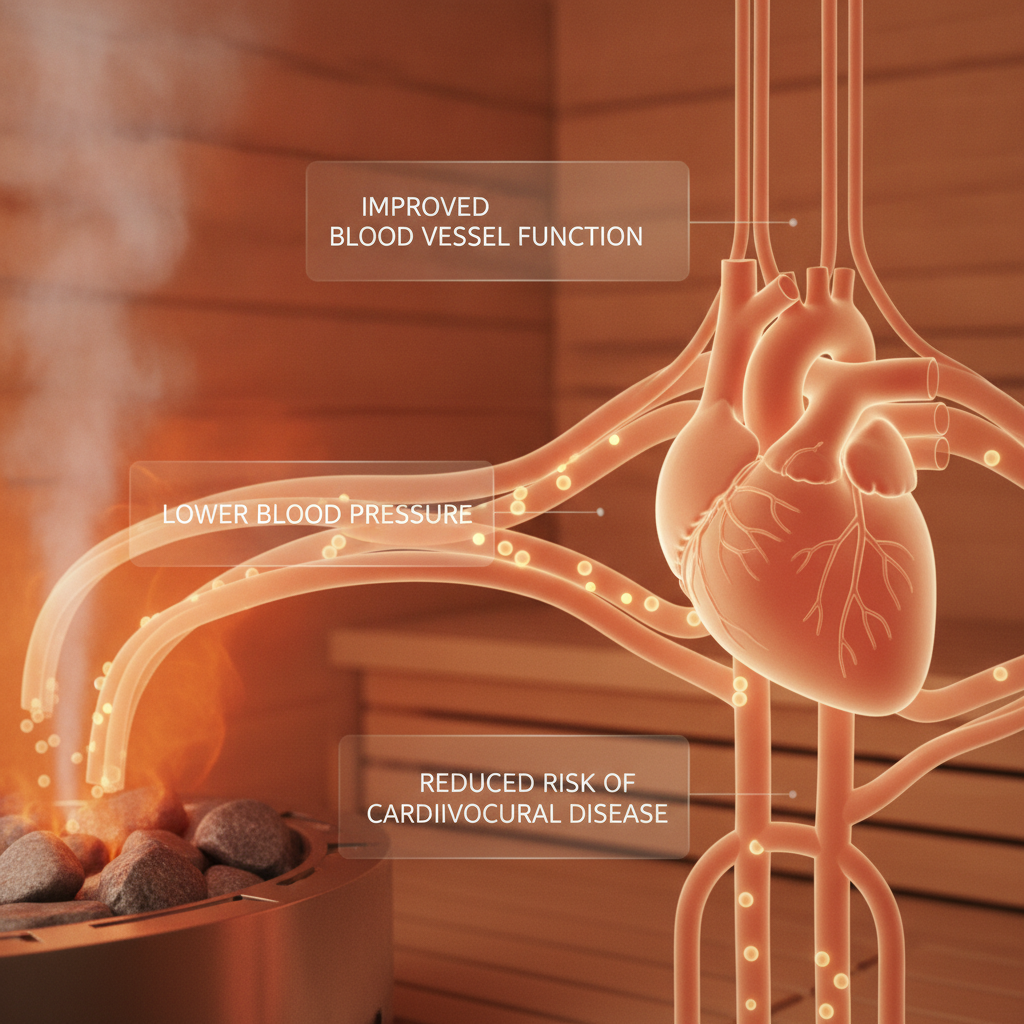
Key mechanisms include improved endothelial function (better nitric oxide–mediated vasodilation), reduced arterial stiffness, lowered systemic inflammation, and favorable effects on autonomic balance (increased parasympathetic tone after repeated sessions).
Physiologic responses
- Increased heart rate and cardiac output during sessions, mimicking light to moderate exercise.
- Vasodilation and reduced peripheral resistance, which can temporarily lower blood pressure.
- Improved endothelial health through enhanced nitric oxide availability.
- Lowered biomarkers of inflammation and oxidative stress with regular use.
Evidence from clinical research
Population and clinical studies have consistently associated frequent sauna use with cardiovascular benefits. Large prospective cohort studies from Finland found lower cardiovascular mortality and fewer heart events among regular sauna users.
For example, observational data from middle-aged men showed that sauna frequency of 4–7 times per week was linked to significantly lower rates of sudden cardiac death, fatal coronary heart disease, and all-cause mortality compared with once-weekly use. Randomized studies and controlled trials also show short-term improvements in blood pressure and arterial stiffness after repeated sauna sessions.
What the data suggests
- Reduced cardiovascular mortality and lower incidence of coronary events in frequent sauna users (observational cohorts).
- Short-term reductions in systolic and diastolic blood pressure after multiple sauna sessions.
- Improvements in endothelial function and arterial compliance with repeated exposure.
- Potential metabolic benefits such as improved insulin sensitivity and reduced inflammation markers in some trials.
How sauna compares to exercise for heart health
Sauna bathing and aerobic exercise share overlapping cardiovascular effects: increased heart rate, improved circulation, and favorable autonomic shifts. Sauna can be a complementary strategy for people who cannot perform vigorous exercise due to mobility limitations.
However, sauna is not a replacement for structured physical activity. Exercise provides skeletal muscle conditioning, cardiorespiratory fitness, and metabolic benefits that go beyond passive heat exposure.
Practical guidelines for cardiovascular benefit
To maximize cardiovascular benefits while minimizing risk, follow practical and evidence-informed recommendations for sauna use. Frequency, duration, and temperature matter.
Suggested protocol
- Frequency: Aim for 2–4 sessions per week for general benefits; observational studies show stronger associations with 4–7 times/week for long-term outcomes.
- Duration: 10–20 minutes per session is typical for traditional Finnish saunas. Beginners can start at 5–10 minutes and gradually increase.
- Temperature: Traditional dry saunas: 70–100°C (158–212°F). Infrared saunas operate at lower air temperatures (typically 40–60°C / 104–140°F) and longer sessions may be used.
- Cooling and recovery: Allow a 10–15 minute cool-down after the session; step out slowly to avoid lightheadedness. Rehydrate with water or electrolyte fluids.
Safety considerations and contraindications
While sauna bathing is safe for many, several groups should use caution or avoid saunas entirely. Always consult your healthcare provider if you have cardiovascular disease or other chronic conditions.
When to be cautious
- Unstable coronary syndrome, recent myocardial infarction (within weeks), or unstable angina — avoid sauna until cleared by a cardiologist.
- Severe aortic stenosis, significant hypotension, or certain arrhythmias — require specialist advice before sauna use.
- Pregnancy: consult an obstetrician; prolonged high heat exposure is generally discouraged during pregnancy.
- Alcohol or drug impairment: avoid sauna while intoxicated due to higher risk of syncope or arrhythmia.
Practical safety tips
- Start slowly, especially if you are older or have chronic conditions—shorter exposures at lower temperatures.
- Stay hydrated before and after the session; avoid strenuous activity immediately after a sauna if you feel lightheaded.
- Remove jewelry and metal objects to prevent burns; sit or lie down if symptoms like dizziness or chest pain occur and seek medical help as needed.
- Discuss medications with your clinician—some drugs affect thermoregulation or blood pressure response.
Who may benefit most
Individuals with elevated blood pressure, mild forms of arterial stiffness, or those seeking adjunctive cardiometabolic benefits may find sauna bathing helpful as part of a comprehensive lifestyle approach. People with limited ability to exercise can especially benefit from the circulatory stimulus of heat therapy.
That said, sauna should be integrated with diet, exercise, smoking cessation, and evidence-based medical treatments for optimal heart protection.
Conclusion
Regular sauna bathing offers multiple physiologic effects that support cardiovascular health, including improved vascular function, lower blood pressure, and reduced systemic inflammation. Observational and interventional studies suggest meaningful benefits, particularly with consistent use.
Sauna is not a substitute for exercise or medical care, but it can be a valuable adjunct for many people. Talk with your healthcare provider to tailor sauna use safely to your health status and medications.
Resources and next steps
If you’re considering adding sauna sessions to your routine, start gradually, monitor how you feel, and discuss any heart conditions or medications with your clinician. When used appropriately, sauna bathing can be a relaxing, heart-supportive practice backed by growing evidence.