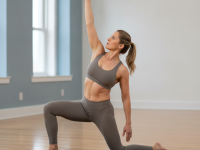
Corrective exercises for anterior pelvic tilt are essential for reducing lower back pain and restoring balanced posture. Corrective exercises for anterior pelvic tilt focus on strengthening weak muscles and releasing tight tissues to improve pelvic alignment and functional movement.
What is anterior pelvic tilt and why it matters
Anterior pelvic tilt (APT) is a postural deviation where the front of the pelvis tips downward and the back of the pelvis rises. This creates increased lumbar lordosis (excessive lower back curvature), contributing to lower back discomfort, movement inefficiency, and compensatory patterns in the hips and knees.
Left unaddressed, APT can increase risk of chronic pain, limit athletic performance, and reduce quality of daily activities. Addressing the imbalance with targeted corrective strategies is both conservative and effective for most people.
Underlying causes and common contributing factors
APT usually results from a combination of muscle imbalances: tight hip flexors (iliopsoas, rectus femoris) and lumbar extensors, paired with weak glutes and deep core stabilizers (transverse abdominis). Sedentary behavior, prolonged sitting, and repetitive movement patterns amplify these changes.
Other contributors include poor lifting mechanics, inadequate glute activation during exercise, and previous injuries that alter movement patterns. A proper assessment helps target the right combination of stretching, strengthening, and motor control work.
Assessment basics you can do at home
Perform a simple standing posture check in front of a mirror: look for an exaggerated curve in the lower back and a forward-tilted pelvis. The Thomas test and prone plank observation can give clues to hip flexor tightness and core weakness, respectively.
For objective progress tracking, photograph your side profile monthly and note changes in pelvic angle and lumbar curve. If you’re unsure, a physical therapist or trained coach can perform a biomechanical assessment and rule out other causes of back pain.
Principles of an effective corrective program
A practical program addresses three pillars: release/stretch tight tissues, strengthen weak muscles, and retrain movement patterns. Prioritize hip flexor mobility and gluteal activation before moving to higher-load strengthening exercises.
Progress gradually—build motor control and endurance first, then add resistance and functional integration (squats, lunges, deadlifts) while maintaining improved pelvic alignment. Frequency and consistency matter more than intensity early on.
Key corrective exercises (how to do them)
1. Hip flexor stretch (kneeling lunge)
Kneel with one knee on the ground and the other foot forward at 90 degrees. Tuck your pelvis under (posterior pelvic tilt) and shift hips forward until you feel a gentle stretch in the front of the hip. Hold 30–45 seconds, 2–3 sets per side.
2. Glute bridge (basic glute activation)
Lie on your back with knees bent and feet hip-width. Drive through the heels, squeeze the glutes, and lift hips until the body forms a straight line. Pause 1–2 seconds at the top, 10–15 reps, 2–4 sets. Focus on pelvic neutrality and avoid overarching the lower back.
3. Dead bug (core motor control)
Lie on your back with hips and knees at 90 degrees. Flatten your low back to the floor and slowly extend one leg and the opposite arm while maintaining core tension. Perform 8–12 slow reps per side, 2–3 sets. This builds transverse abdominis control without lumbar compression.
4. Supine pelvic tilts (posterior pelvic mobility)
Lie supine with knees bent. Gently tilt the pelvis posteriorly to flatten the lumbar spine against the floor, then release. Perform 15–20 reps, focusing on smooth movement and breathing. Great for learning pelvic positioning and easing lumbar tension.
5. Clamshells (glute medius activation)
Lie on your side with hips and knees bent. With feet together, lift the top knee while keeping pelvis stable. Perform 12–20 reps per side, 2–3 sets. Strong glute medius improves lateral stability and supports proper hip mechanics.
6. Romanian deadlift (hamstring and glute strengthening)
With light to moderate weight, hinge at the hips keeping a neutral spine and soft knees. Focus on glute-hamstring engagement during the lift. 6–10 reps, 3–4 sets. Only add load after mastering activation and alignment.
Programming: frequency, sets, and progression
Begin with 3–5 weekly sessions focusing on mobility and activation. Perform the mobility and activation exercises daily if possible; reserve heavier strengthening 2–3 times per week. Start with low volume and progress by increasing reps, sets, or resistance every 1–2 weeks.
Sample short-term goal: after 4–8 weeks you should notice improved pelvic awareness, reduced low back tightness, and better engagement of glutes during squats or everyday movements.
Common mistakes and how to avoid them
- Rushing to heavy lifting before improving motor control—prioritize activation and alignment first.
- Overstretching without strengthening—stretch hip flexors but pair with glute and core work to sustain changes.
- Holding breath or bracing incorrectly—practice diaphragmatic breathing and gentle intra-abdominal pressure to support the spine.
- Ignoring individual variability—modify exercises for pain, limited mobility, or previous injuries.
When to seek professional help
If you experience sharp or worsening pain, neurological signs (numbness, tingling, leg weakness), or no improvement after 6–8 weeks of consistent corrective work, consult a licensed physical therapist or physician. They can provide hands-on treatment, diagnostic imaging if necessary, and a tailored rehabilitation plan.
Takeaway
Corrective exercises for anterior pelvic tilt are effective when delivered in a structured, evidence-based program that blends mobility, activation, and progressive strengthening. Consistency, proper technique, and individualized progression produce the best long-term outcomes.
Start with daily mobility and glute activation, progress to strength work, and track posture and symptoms. With the right approach, many people reduce low back pain and restore functional pelvic alignment within weeks to months.