What is an anti-inflammatory diet and how it helps
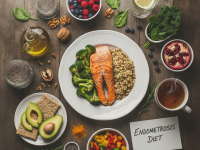
An anti-inflammatory diet emphasizes minimally processed foods that reduce systemic inflammation and improve overall metabolic health. For people with rheumatoid arthritis (RA), diet cannot replace disease-modifying therapies, but clinical trials and meta-analyses show dietary patterns can lower disease activity, pain, and medication needs in some patients. The Mediterranean-style approach—abundant vegetables, fruits, whole grains, legumes, fish, olive oil, nuts, and limited red meat—has the strongest evidence in RA.
How diet affects RA symptoms
Foods provide substrates that influence immune cell behavior, gut microbiota composition, and inflammatory signaling pathways. Omega-3 fatty acids from fatty fish produce less inflammatory eicosanoids than omega-6 fats, reducing joint pain and morning stiffness in multiple trials. Antioxidant-rich fruits and vegetables lower oxidative stress, which contributes to tissue damage in inflammatory arthritis.
Key nutrients to prioritize
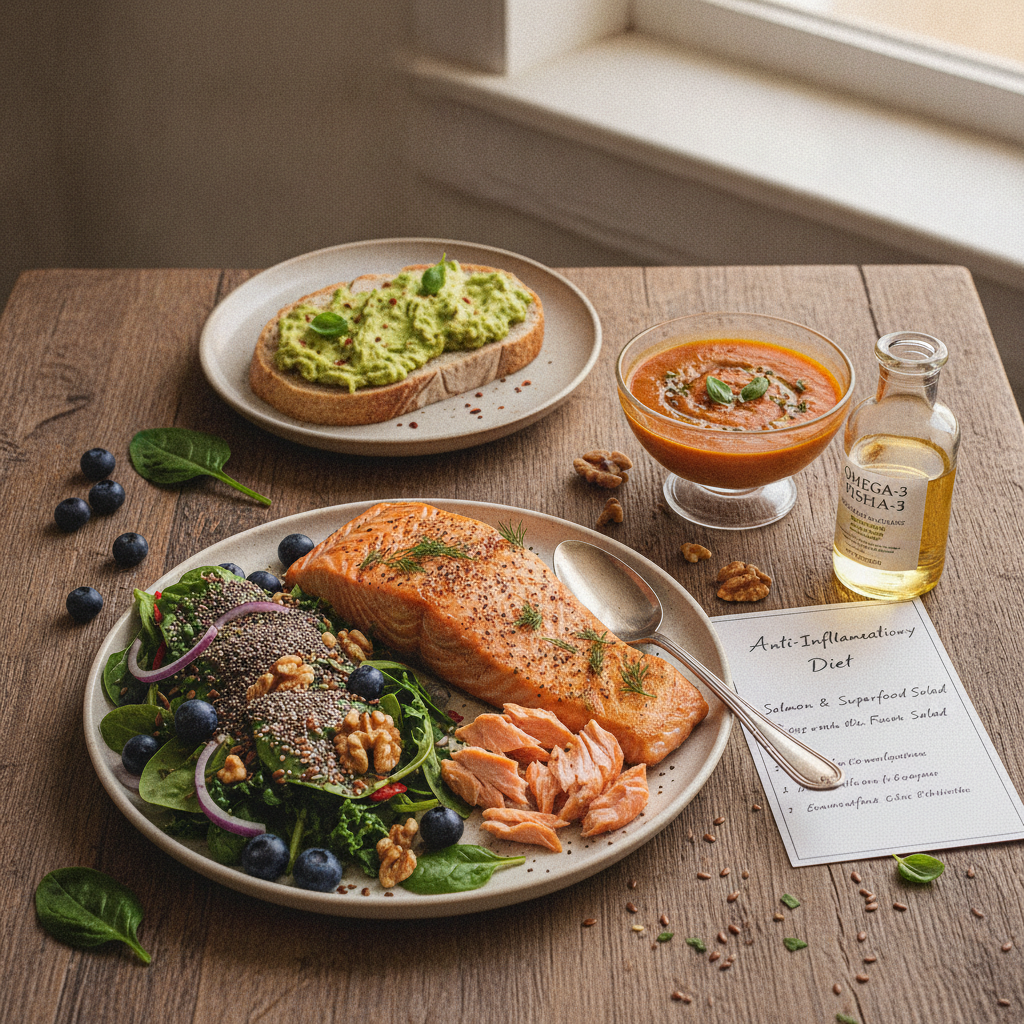
- Omega-3 fatty acids (EPA, DHA): anti-inflammatory effects, reduce joint pain and NSAID use.
- Monounsaturated fats (olive oil): supports anti-inflammatory pathways and vascular health.
- Polyphenols (berries, green tea, turmeric): antioxidant and immune-modulating benefits.
- Fiber and prebiotics (whole grains, legumes, vegetables): support healthy gut microbiome linked to immune balance.
- Vitamin D and calcium: bone health is critical for people on long-term steroids or with increased fracture risk.
Foods to include
Building meals around these foods creates a practical anti-inflammatory pattern you can use during flare-ups and long-term. Focus on variety and color to maximize nutrient diversity.
- Fatty fish: salmon, mackerel, sardines, trout (aim for 2–3 servings per week).
- Extra virgin olive oil: use as primary cooking fat and in dressings.
- Vegetables and fruits: leafy greens, cruciferous vegetables, berries, cherries, citrus.
- Whole grains and legumes: oats, quinoa, brown rice, lentils, chickpeas.
- Nuts and seeds: walnuts, flaxseed, chia for plant-based omega-3s and fiber.
- Herbs and spices: turmeric (curcumin), ginger, garlic, and cinnamon for additional anti-inflammatory compounds.
Foods to avoid or limit
Reducing pro-inflammatory foods can help minimize symptom variability and systemic inflammation. Eliminating these foods may be particularly helpful during flare-ups.
- Highly processed foods and snacks high in trans fats and refined sugars.
- Excessive red and processed meats; prefer lean proteins and fish instead.
- Refined carbohydrates and sugary beverages that drive blood sugar spikes and inflammation.
- Excessive omega-6 vegetable oils (corn, soybean) in highly processed foods; favor olive oil.
- Alcohol in excess; it may interact with medications and worsen inflammation.
Practical 1-day sample menu for a flare-up
This sample day focuses on anti-inflammatory nutrients and easy-to-prepare options when energy is low during a flare. Adjust portions to calorie needs and medication-related dietary restrictions.
- Breakfast: Oatmeal made with rolled oats, almond milk, chia seeds, a handful of blueberries, and a sprinkle of cinnamon.
- Snack: Plain Greek yogurt or plant-based yogurt with walnuts and sliced strawberries.
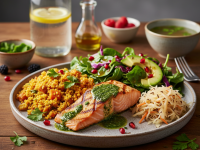
- Lunch: Mixed greens and roasted vegetable salad with canned sardines or grilled salmon, quinoa, cherry tomatoes, cucumber, and olive oil–lemon dressing.
- Snack: Hummus with carrot and cucumber sticks or a small apple with almond butter.
- Dinner: Baked salmon with turmeric-roasted cauliflower, steamed spinach, and a side of brown rice or lentils.
- Hydration: Water, green tea, or ginger-tea; limit sugary drinks and excess caffeine.
Supplements and herbs: what the evidence says
Some supplements show benefit for RA symptoms, but quality, dosing, and interactions matter. Always discuss supplements with your rheumatologist or pharmacist.
- Fish oil (EPA/DHA): meta-analyses report modest reductions in joint pain and morning stiffness; typical doses range 1–3 g EPA+DHA daily under medical advice.
- Turmeric/curcumin: small trials show symptom improvement; bioavailability varies—formulations with piperine or liposomal delivery enhance absorption.
- Vitamin D: deficiency is common and linked to worse outcomes; test levels and supplement if needed to reach recommended range.
- Probiotics/prebiotics: early research suggests potential immune benefits via the gut; evidence is evolving.
Practical implementation and monitoring
Start with achievable changes: replace processed snacks with fruit and nuts, swap butter for olive oil, and add two fish meals per week. Small, sustainable changes are more likely to be maintained and to show benefit than short-term extremes.
Keep a food and symptom diary for 4–8 weeks to spot personal triggers and benefits. If you suspect food sensitivities (for example, worsening after dairy or certain grains), consider an elimination trial under professional supervision.
When to consult your care team
Dietary strategies should complement—not replace—disease-modifying antirheumatic drugs (DMARDs), biologics, and medical care. Contact your rheumatologist if symptoms worsen, if you plan to start high-dose supplements, or if dietary changes could impact existing medical conditions. Also seek guidance for weight management, malnutrition risk, or interactions with blood-thinning medications.
Bottom line
An anti-inflammatory diet for rheumatoid arthritis flare-ups emphasizes whole, nutrient-dense foods—especially fatty fish, olive oil, vegetables, fruits, whole grains, legumes, nuts, and spices. While diet alone won’t cure RA, consistent dietary patterns like the Mediterranean diet, targeted supplements when appropriate, and attention to weight and gut health can meaningfully reduce symptoms for many people. Work with your medical team to design a safe, personalized plan that complements your prescribed therapy.