Hip flexor releases for lower back stiffness can rapidly ease pain and improve mobility when done correctly. If you sit for long periods or feel a constant ache in your lumbar area, targeted hip flexor release techniques may be a key missing piece in your routine.
As an experienced health consultant and medical writer with over a decade working in musculoskeletal care, I provide practical, evidence-based strategies you can use at home or in the clinic. This guide explains why hip flexors matter, safe self-release methods, progressions, and when to seek professional help.
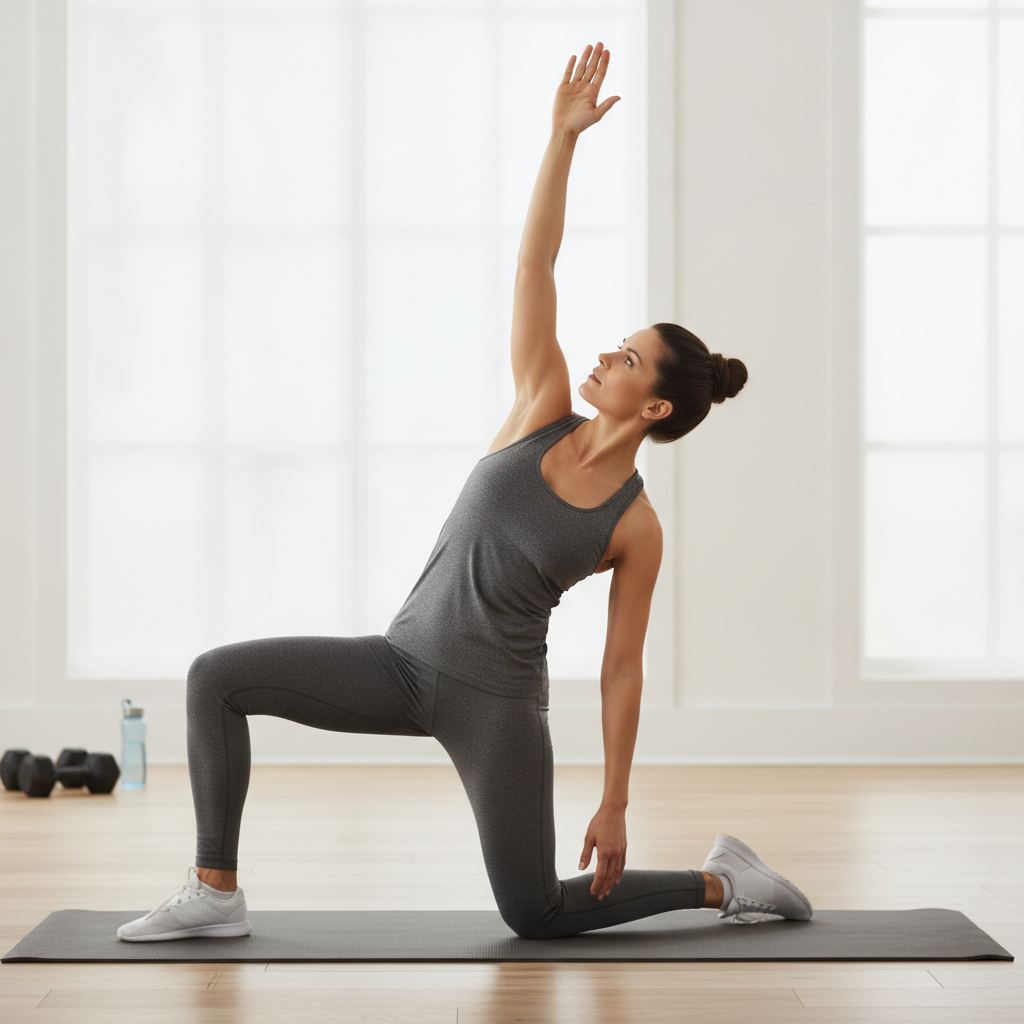
Why hip flexors contribute to lower back stiffness
The hip flexors are a group of muscles including the iliopsoas (psoas major and iliacus), rectus femoris, and sartorius that lift the thigh toward the torso. Tightness or trigger points in these muscles can pull on the pelvis and lumbar spine, increasing stress on the lower back and reducing range of motion.
Prolonged sitting puts the hip flexors in a shortened position, which over time contributes to stiffness, poor posture, and compensatory lumbar extension. Addressing hip flexor mobility is therefore often essential to alleviating mechanical low back stiffness.
Benefits of hip flexor release work
Targeted hip flexor release can:
- Decrease tension and trigger point sensitivity in the psoas and surrounding tissues.
- Reduce anterior pelvic tilt and lumbar compression that contribute to stiffness.
- Improve hip extension, gait mechanics, and core function.
- Complement strengthening of posterior chain muscles (glutes, hamstrings) to create balance.
General safety and precautions
Before starting any release or exercise routine, screen for red flags such as fever, progressive neurological deficits, bowel/bladder changes, or recent traumatic injury. If you have osteoporosis, hip replacement, abdominal aortic aneurysm, or pregnancy, consult a clinician before performing deep abdominal or psoas work.
Start gently and avoid sharp, radiating, or worsening pain. If a technique increases numbness, weakness, or tingling, stop and seek professional assessment.
Self-release techniques: step-by-step
1. Supine supported psoas release (gentle)
Lie on your back near the edge of a bed so the legs can hang off the mattress, or use a bolster under the lumbar spine. Bend one knee and keep the other leg relaxed and slightly off the edge. Breathe deeply, allowing the hanging leg to be passively lengthened for 2–3 minutes. Repeat 2–3 times per side.
2. Trigger-point ball release (moderate)
Use a small firm ball (lacrosse or massage ball). Lie face down and place the ball under the front of the hip, just below the ASIS (anterior superior iliac spine), and gently shift weight into the ball until you find a tender spot. Hold steady pressure for 60–90 seconds or until tension eases. Avoid direct pressure on bony landmarks or the abdomen.
3. Kneeling lunge with contract-relax (active release)
Kneel in a half-kneeling lunge with the rear knee on a pad. Tuck your tailbone slightly, then gently press your hips forward until you feel a mild stretch through the front of the rear hip. While holding the stretch, engage the hip flexors isometrically for 5–8 seconds, then relax and allow a deeper stretch for 20–30 seconds. Repeat 3–4 times per side.
4. Foam roller hip flexor slide (dynamic)
Lie face down with a foam roller under your pelvis at the front of the hips. Support your upper body on forearms and slowly slide the pelvis over the roller, pausing on tender areas for 30–60 seconds. Move gently; this is best used after warming up or following gentle aerobic activity.
5. Active mobility: standing leg swings
Stand next to a support. Swing one leg forward and backward in a controlled rhythm for 20–30 repetitions. Keep the core engaged and avoid excessive lumbar arching. This helps restore dynamic hip extension and coordination between hip flexors and extensors.
Progression and integration into a routine
Start with 1–2 minutes of gentle releases per side and progress to more targeted work as tolerated. Combine release techniques with mobility drills and posterior chain strengthening (glute bridges, deadlifts, Romanian deadlifts) to build resilience.
Frequency: perform release and mobility work 3–5 times per week. Strengthening exercises should be 2–3 times per week to rebalance muscles and support long-term improvements.
Modifications for common scenarios
- Desk workers: set hourly microbreaks for 60 seconds of gentle standing hip extension and a foam roller or chair psoas hang.
- Older adults: use lighter pressure and shorter holds; prioritize mobility before deep tissue work.
- Acute severe pain: avoid aggressive releases; focus on gentle positional relief and seek professional evaluation.
When to see a physical therapist or clinician
If stiffness persists beyond 4–6 weeks despite consistent home work, if pain is severe or radiating, or if you notice neurological symptoms (numbness, weakness), see a physical therapist, sports medicine physician, or spine specialist. They can assess for contributing factors like disc pathology, hip joint issues, or movement dysfunction and provide tailored manual therapy and exercise prescription.
Quick 10-minute sample routine
Warm-up: 3 minutes brisk walk or marching in place.
- Trigger-point ball release: 1–2 minutes per side.
- Kneeling lunge contract-relax: 3 reps per side.
- Standing leg swings: 20 reps per leg.
- Glute bridges: 2 sets of 15 to activate posterior chain.
- Finish with 30–60 seconds gentle supine psoas hang per side.
Evidence and rationale
Clinical practice and biomechanical research indicate that addressing hip flexor length and trigger points can reduce anterior pelvic tilt and lower lumbar loading, thereby reducing stiffness. Combining manual release with targeted strengthening leads to better functional outcomes than either approach alone in many musculoskeletal conditions.
Final recommendations
Hip flexor releases for lower back stiffness can be simple, effective, and safe when performed with awareness and appropriate progressions. Use gentle techniques first, combine them with mobility and strengthening, and consult a clinician for persistent, worsening, or neurologic symptoms.
If you want a personalized plan based on your history and movement assessment, consider booking a session with a licensed physical therapist or musculoskeletal specialist.
About the author
I am a health consultant and medical content writer with more than 10 years of experience in musculoskeletal care, rehabilitation, and patient education. My guidance reflects current clinical reasoning and practical strategies used in outpatient and sports settings.