Why tight hip flexors cause lower back stiffness
Tight hip flexors—particularly the iliopsoas complex—attach directly to the lumbar spine and front of the pelvis. When these muscles are short or overactive they can pull the pelvis into an anterior tilt, increasing lumbar curve and causing stiffness or discomfort in the lower back.
Addressing the hip flexors can therefore reduce mechanical stress on the lumbar joints and improve movement patterns that contribute to chronic stiffness.
Anatomy and biomechanics in plain language
The major hip flexors include the psoas major, iliacus, rectus femoris, and sartorius. Of these, the psoas major has a direct connection to the lumbar vertebrae, which explains why tightness here commonly affects the lower back.
Prolonged sitting, poor posture, repetitive sporting activities, and underactive gluteal muscles all encourage hip flexor shortening and overactivity.
Evidence-based benefits of hip flexor releases
Clinical practitioners and physical therapists use a mix of manual therapy, stretching, and exercise to reduce hip flexor tightness. Research and clinical experience support that improving hip mobility and balancing hip and core strength reduces symptoms of lower back stiffness and improves function.
While individual results vary, a multimodal approach—combining release techniques with strengthening and posture correction—offers the best long-term outcomes.
How to perform safe hip flexor releases at home
Below are practical, evidence-informed techniques you can try. Start gently and prioritize pain-free range of motion. If you feel sharp pain, numbness, or symptoms radiating down the leg, stop and consult a clinician.
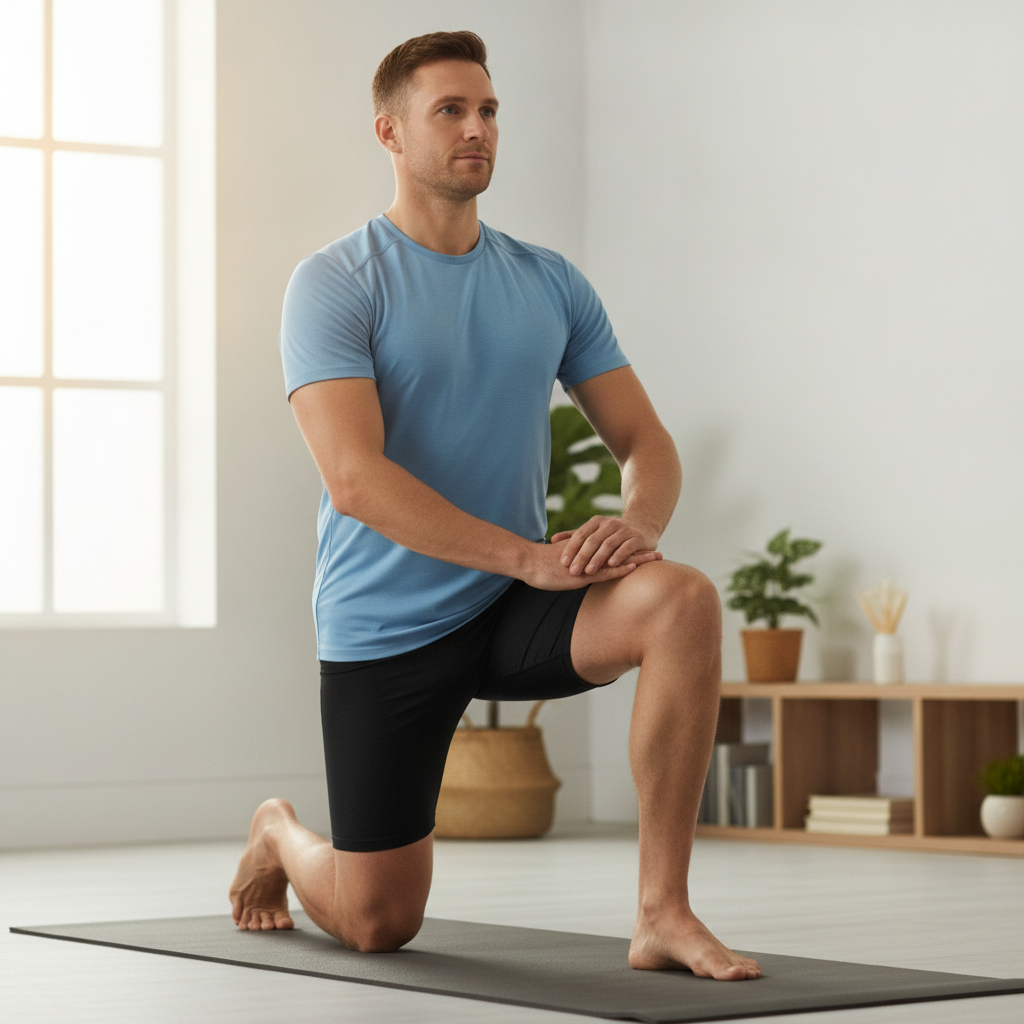
1. Kneeling hip flexor stretch (static)
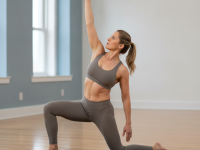
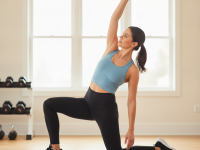
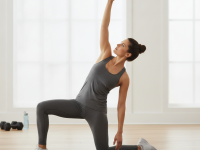
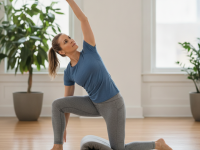
- How: Kneel on one knee with the other foot forward creating a 90-degree angle. Tuck your pelvis slightly (posterior tilt) and gently push hips forward until you feel a stretch in the front of the kneeling hip.
- Dosage: Hold 30–45 seconds, repeat 2–3 times per side, twice daily.
- Tip: Keep torso upright and avoid excessive arching in the lower back by engaging the core.
2. Psoas release with supported contraction (active release)
- How: From the kneeling stretch position, perform a gentle isometric contraction by trying to bring the knee forward into the floor for 5–6 seconds without moving, then relax and allow a deeper release.
- Dosage: 4–6 cycles per side once daily.
- Tip: This contract-relax method can help reset muscle tone more effectively than passive stretching alone.
3. Foam roller or massage ball myofascial release
- How: Lie face-up with a foam roller or firm ball under the front of your hip/upper thigh. Apply steady pressure and breathe. Gently roll or hold on tender spots for 30–60 seconds.
- Dosage: 1–2 minutes per side, 3–5 times per week.
- Tip: Avoid forcing pressure into bone; work on the soft tissue and stay within tolerable discomfort, not sharp pain.
4. Couch stretch (deep hip flexor stretch)
- How: Place the top of your foot against a wall or couch with your knee bent behind you. Move hips forward and slightly squeeze glutes to enhance psoas lengthening.
- Dosage: Hold 30–60 seconds, 2–3 repetitions per side, daily.
- Tip: This position allows deep lengthening of the hip flexors with control of lumbar position.
Complementary strengthening and motor control
Stretching and release should be paired with exercises that address weak or underactive muscles, especially the glutes and deep abdominal stabilizers. Strengthening helps prevent re-tightening of the hip flexors.
Key exercises
- Glute bridges: 2–3 sets of 10–15 slow reps, focus on full glute contraction.
- Single-leg Romanian deadlifts (light weight or bodyweight): 2–3 sets of 8–12 reps per side to build posterior chain control.
- Dead bugs or bird-dogs: 2–3 sets of 8–12 controlled reps to improve core stability.
Daily posture, ergonomics, and prevention
Simple habitual changes reduce load on hip flexors and the lumbar spine. Stand up and move every 30–60 minutes when sitting for long periods. Set up an ergonomic desk where hips are slightly higher than knees and maintain neutral spine alignment.
Include walking, light hip mobility drills, and posterior chain strengthening in your weekly routine to keep hip flexors flexible and balanced.
When to see a professional
Seek medical attention if you experience severe or worsening pain, numbness, weakness, changes in bowel or bladder function, or leg pain that radiates below the knee. These may be signs of a nerve compression or other serious condition.
A physical therapist can perform a targeted assessment, manual techniques, and a progressive exercise program personalized to your needs.
Practical 4-week plan (beginner-friendly)
Week 1–2: Daily gentle stretches (kneeling and couch stretch) and 3 sessions foam rolling. Begin glute bridges 3x/week.
Week 3–4: Continue daily releases, increase strengthening (add single-leg RDLs and core work), and incorporate posture breaks every hour. Reassess pain and mobility—if improved, maintain; if not, consult a clinician.
Summary
Hip flexor releases for lower back stiffness are a practical, evidence-informed approach to reduce tension and improve spinal mechanics. Combine gentle releases, proper stretching, and targeted strengthening to achieve lasting results.
Start slowly, prioritize pain-free movement, and consult a qualified clinician for persistent or severe symptoms to ensure safety and optimal recovery.