Hip flexor releases for lower back stiffness: fast, safe techniques and when to seek care
Hip flexor releases for lower back stiffness can reduce pain, restore spinal mobility, and improve daily function. Hip flexor releases for lower back stiffness combine targeted soft-tissue work, mobility drills, and activation exercises to address the common link between tight anterior hips and lumbar stiffness.
Why tight hip flexors affect the lower back
Tightness in the iliopsoas and rectus femoris alters pelvic position and increases lumbar compression. Over time this can create stiffness, reduced extension, and pain during standing, walking, or prolonged sitting.
Understanding the muscle-chain relationship—hip flexors, glutes, and core—is essential for lasting results. Addressing only the symptom (low back stiffness) without treating the hip flexors often leads to recurrence.
Safety first: who should avoid self-release
Self-release is generally safe for mechanical stiffness but is not appropriate for everyone. Avoid these techniques if you have recent trauma, unstable spine, acute sharp neurological signs (numbness, progressive weakness, bowel/bladder change), or pregnancy without clinician approval.
If you are unsure, consult a physical therapist, physician, or qualified manual therapist before starting aggressive releases.
How to perform effective hip flexor releases
Below are clinician-guided, evidence-informed options ranked from gentle to more intense. Start with easier options and progress over days to weeks based on comfort and response.
1. Diaphragmatic breathing and pelvic mobility (2–3 minutes)
Begin each session with slow diaphragmatic breaths while lying on your back with knees bent. Inhale to expand the belly, exhale while performing a small posterior pelvic tilt to flatten the low back on the floor.
This reduces compensatory lumbar extension and primes the deep core and psoas to relax before deeper release work.
2. Gentle kneeling psoas release (self-assist) — beginner
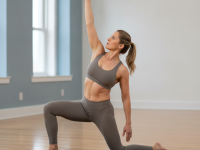
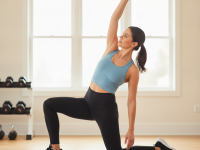
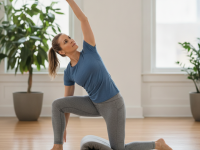
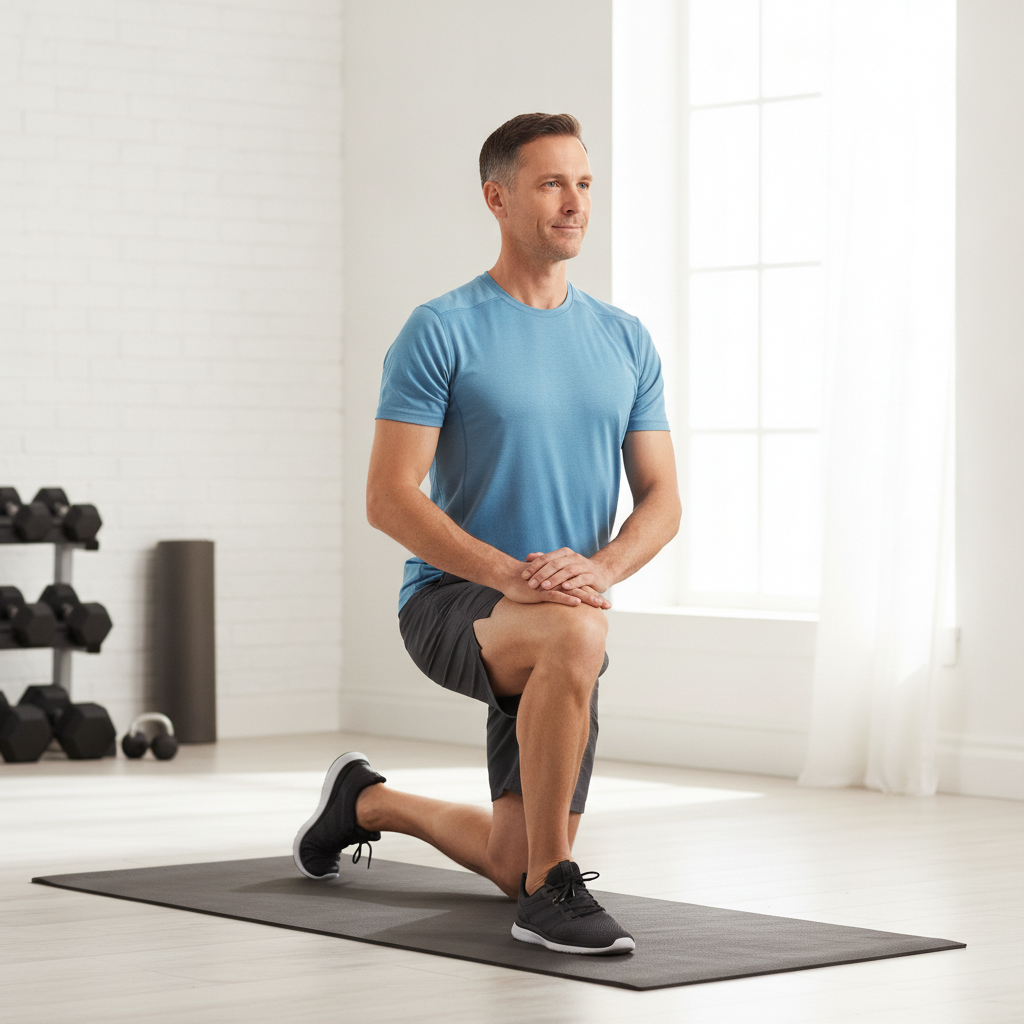
Kneel on one knee with the other foot forward in a half-kneeling lunge. Tilt the pelvis posteriorly and gently shift hips forward until a mild stretch is felt at the front of the hip. Hold for 30 seconds while breathing deeply, then relax. Repeat 2–3 times per side.
Modify intensity by changing trunk position—slightly leaning back increases stretch; keeping an upright torso reduces it.
3. Foam roller anterior hip release — intermediate
Lie face down and place a medium-density foam roller just below the front of your hip bone. Shift body weight onto the roller and gently roll across the area, pausing on tender spots for 20–30 seconds. Perform 1–2 passes of 1–2 minutes per side.
Keep pelvis level and avoid rolling directly on the front of the groin where nerves and vessels are more superficial. Use a lacrosse ball for deeper pinpoint work if comfortable.
4. Lacrosse ball/trigger-point release — targeted
Stand facing a wall and place a lacrosse ball between the wall and the front of the hip (iliopsoas area). Lean into the ball with body weight and move slowly to find tight knots. Apply sustained pressure for 20–45 seconds or until discomfort eases.
Do not press deeply into sharp or radiating pain. Aim for a tolerable, aching sensation that improves with sustained pressure.
5. Active release and dynamic lunges — integrate mobility
Combine a lunge with active hip extension: from a half-kneeling position, engage glutes and lift the pelvis forward while actively pulling the knee toward the chest with the torso upright. Repeat 8–12 times each side.
Active techniques promote neuromuscular reset and help the nervous system accept new, extended positions without guarding.
Complementary strengthening to prevent recurrence
Releases are most effective when paired with posterior chain strengthening and core integration. Focus on glute bridges, prone single-leg raises, and dead-bug core drills.
Perform these exercises 3 times weekly with progressive loading to restore hip extension strength and reduce compensatory lumbar motion.
Sample 10-minute self-care routine
- 2 minutes diaphragmatic breathing with pelvic tilts
- 2–3 minutes foam rolling anterior hip per side
- 1–2 minutes lacrosse ball trigger-point work per side
- 1 minute kneeling psoas stretch per side (30s hold x2)
- 2 minutes active lunges/glute bridges to finish
Repeat this routine once daily for 1–2 weeks and adjust frequency based on symptom response. Less is often more—stop any technique that increases sharp pain.
Progressions and timelines
Most people notice decreased morning stiffness and improved tolerance for sitting within 1–2 weeks of consistent self-release and activation. Structural recovery and strength improvements commonly require 6–12 weeks of progressive exercise.
If stiffness persists or worsens despite diligent home care, re-evaluate with a clinician for biomechanical or medical causes.
When to see a professional
Seek professional care if you experience new or worsening neurological signs (leg numbness, tingling, weakness), persistent pain that limits daily activities, or if you suspect a herniated disc, fracture, or systemic condition. A physical therapist can perform hands-on release, dry needling, or guided manual therapy and design a progressive rehabilitation program.
Medical assessment is also recommended when pain follows significant trauma, is accompanied by fever, or impacts bowel/bladder control.
Evidence and clinical perspective
Clinical guidelines and musculoskeletal research support combined soft-tissue techniques, stretching, and strength training for mechanical low back conditions related to hip tightness. Integrating breathing and motor control work improves outcomes and reduces recurrence risk.
As with any intervention, personalization based on your symptoms, imaging (if available), and movement assessment yields the best results.
Takeaway
Hip flexor releases for lower back stiffness are practical, evidence-informed, and can provide fast relief when performed safely and combined with strengthening. Start gently, progress based on tolerance, and consult a clinician for red flags or persistent symptoms.
Consistent, short sessions that combine release, mobility, and activation are the most effective strategy for lasting improvement.