What is seasonal affective disorder (SAD)?
Seasonal affective disorder is a type of mood disorder linked to seasonal changes, most commonly occurring during late autumn and winter. It is characterized by persistent low mood, decreased energy, hypersomnia or insomnia, and social withdrawal. While many people experience the winter blues, SAD is more persistent and impairing, often requiring a tailored treatment plan that combines lifestyle changes, therapy, and, when appropriate, medication.
Causes and risk factors
Experts believe a combination of circadian rhythm disruption, melatonin and serotonin imbalances, and reduced exposure to daylight contribute to SAD. Risk factors include living in higher latitudes, younger age groups, family history of mood disorders, and certain medical conditions. Women are more likely to be diagnosed, but SAD affects people of all genders. Understanding these factors helps you tailor prevention strategies and seek early care when needed.
Symptoms and impact on daily life
Symptoms may include low motivation, irritability, difficulty concentrating, changes in appetite, and social withdrawal. Fatigue can linger throughout the day, making work tasks and relationships harder. In some cases, symptoms persist for several months, leading to decreased performance and strained interpersonal connections. Early recognition supports timely, evidence-based interventions.
Evidence-based treatments for SAD
Light therapy (phototherapy)
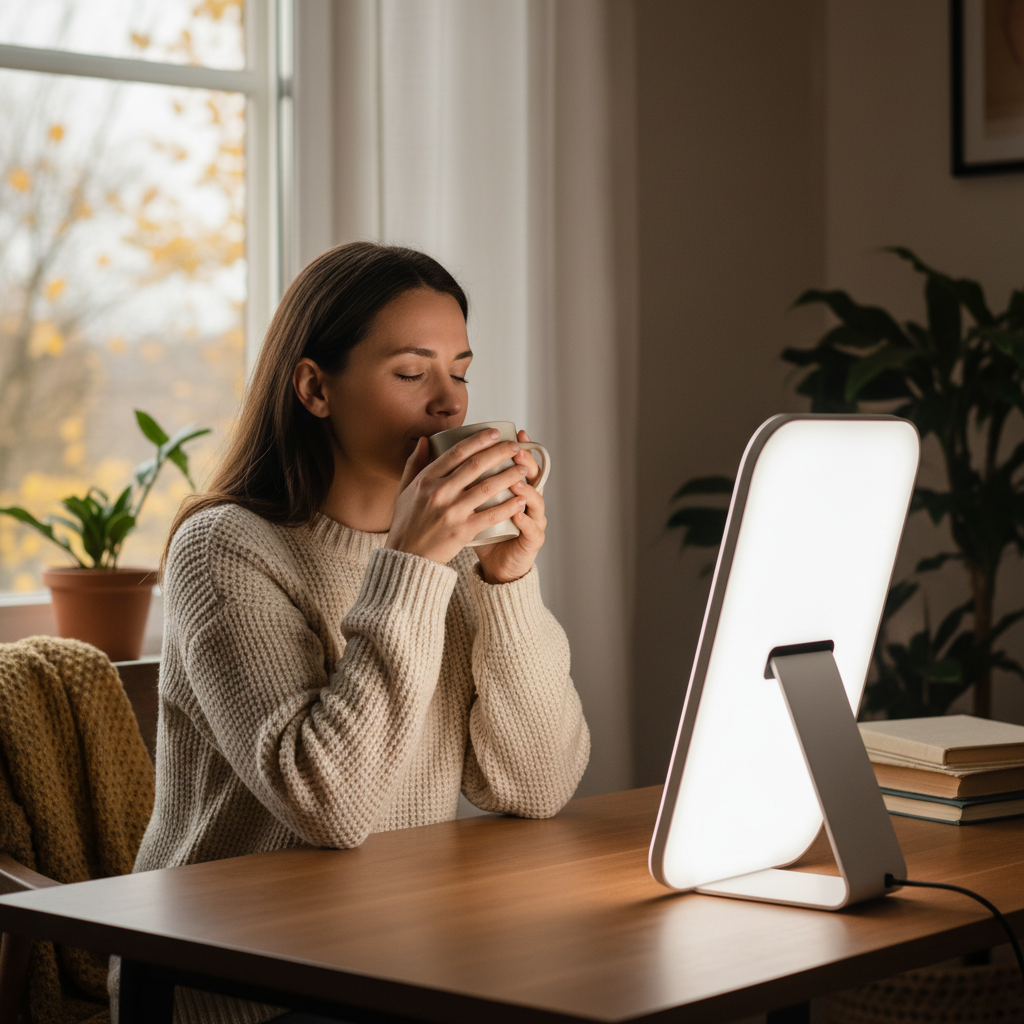
Light therapy uses a specific lamp to expose you to bright light shortly after waking. This exposure helps reset circadian rhythms and improve mood in many people with SAD. Typical sessions last 20 to 30 minutes daily, with lamp intensity of 2,500 to 10,000 lux, depending on tolerance and clinician guidance. Safety notes include avoiding direct ocular damage; people with bipolar disorder should consult a clinician because light therapy can trigger mania in some cases. Start under supervision if you have any eye or skin conditions. Consistency across weeks is often more important than session length in isolation.
Cognitive-behavioral therapy for SAD (CBT-SAD)
Cognitive-behavioral therapy tailored for SAD helps individuals identify negative thinking patterns and establish seasonal routines. CBT-SAD has demonstrated effectiveness comparable to light therapy and may offer longer-lasting benefits after treatment ends. A typical program lasts several weeks to a few months and can be delivered in person or online. Therapy also provides practical skills to manage daily routines, sleep, and mood fluctuations beyond the winter months.
Medication considerations
In moderate to severe SAD, healthcare providers may consider antidepressants, most commonly selective serotonin reuptake inhibitors (SSRIs), such as fluoxetine or sertraline. Medication decisions depend on symptom severity, medical history, and patient preferences. It is essential to work with a clinician to monitor side effects, interactions, and the potential need for gradual dose changes. Suicidal risk requires immediate attention and crisis resources. For some individuals, medication is a bridge to other strategies, not a replacement for therapy or lifestyle changes.
Vitamin D and other supplements
Vitamin D deficiency has been linked with depressive symptoms in some individuals, particularly those in low sunlight areas. If blood tests show deficiency, supplementation can help—under medical supervision. Do not rely on vitamins alone to treat SAD; combining lifestyle strategies, therapy, and, when appropriate, medication yields the best outcomes. Other supplements lack robust evidence and should be discussed with a clinician before use. Emphasis should be on obtaining nutrients from a balanced diet and sensible supplementation guided by testing.
Lifestyle strategies to support mood
Sleep hygiene and regular routines
Maintaining a consistent sleep-wake schedule supports circadian rhythm and mood stability. Create a morning routine that includes natural light exposure, even on cloudy days. Going to bed and waking up at the same times reduces morning grogginess and improves daytime energy. A steady routine also helps you anticipate and manage seasonal disruptions to sleep.
Exercise and outdoor time
Regular physical activity improves mood and helps regulate sleep. Even short bouts of aerobic exercise several times per week can have meaningful benefits. When possible, incorporate time outdoors during daylight hours, or exercise near a window to maximize light exposure. Consistency matters: gradual, sustainable activity beats sporadic, intense workloads.
Nutrition and supplements
A balanced diet with complex carbohydrates, lean proteins, and healthy fats supports energy and mood. Limiting high-sugar, highly processed foods may reduce energy crashes. Hydration and moderation of caffeine and alcohol also play a role in mood regulation. If you drink alcohol to cope with mood dips, discuss healthier stress-management strategies with your clinician.
Self-monitoring and when to seek help
Track mood, energy, sleep, and daily activities to identify patterns and triggers. Journaling, mood apps, or simple checklists can help you and your clinician tailor interventions. Seek help promptly if SAD symptoms worsen, if you experience thoughts of self-harm, or if your mood remains depressed for several weeks despite self-care efforts or after seasonal transitions. Early professional input can prevent symptoms from becoming disabling.
When to seek professional help
Not all mood changes require medical treatment, but SAD can benefit from professional guidance. Primary care clinicians, psychiatrists, psychologists, and sleep medicine specialists can collaborate on a comprehensive plan. If you have a history of bipolar disorder, it is especially important to discuss light therapy and medications with your clinician before starting any new regimen. A clinician can help tailor a plan that aligns with your values, preferences, and safety considerations.
Practical tips for families and workplaces
- Educate about SAD and reduce stigma around seeking help.
- Offer flexible scheduling or light-friendly workspaces to support workers during darker months.
- Encourage breaks outside or near tall windows to maximize daylight exposure.
- Support employees or family members in adhering to treatment plans and appointments.
- Promote routine mental health check-ins during seasonal transitions.
Conclusion
Managing seasonal affective disorder (SAD) is about combining proven strategies with personalized care. By improving light exposure, engaging in evidence-based therapy, considering medical options when appropriate, and prioritizing sleep, exercise, and nutrition, you can reduce symptom burden and improve daily functioning. If your symptoms persist or worsen, consult a healthcare professional to tailor a plan that fits your needs and values. With the right approach, you can navigate the darker months with greater resilience and vitality.
An infographic-style image illustrating Managing SAD. Layout includes: causes (circadian rhythm disruption, melatonin/serotonin imbalance), symptoms (low mood, fatigue, sleep changes), treatments (light therapy lamp, CBT-SAD workbook, medication bottle, vitamin D capsule), and lifestyle strategies (sleep routine, outdoor daylight, exercise). Include icons: sun lamp at 10,000 lux, calendar with daily routine, brain with gears, pill bottle, vitamin D capsule, a glass of water, and a mood-trend line improving from left to right. Color palette with cool blues and soft winter tones transitioning to warm yellows; accessible typography and clean vector aesthetics suitable for a medical information infographic.