The Crucial Role of Zinc in Skin Health
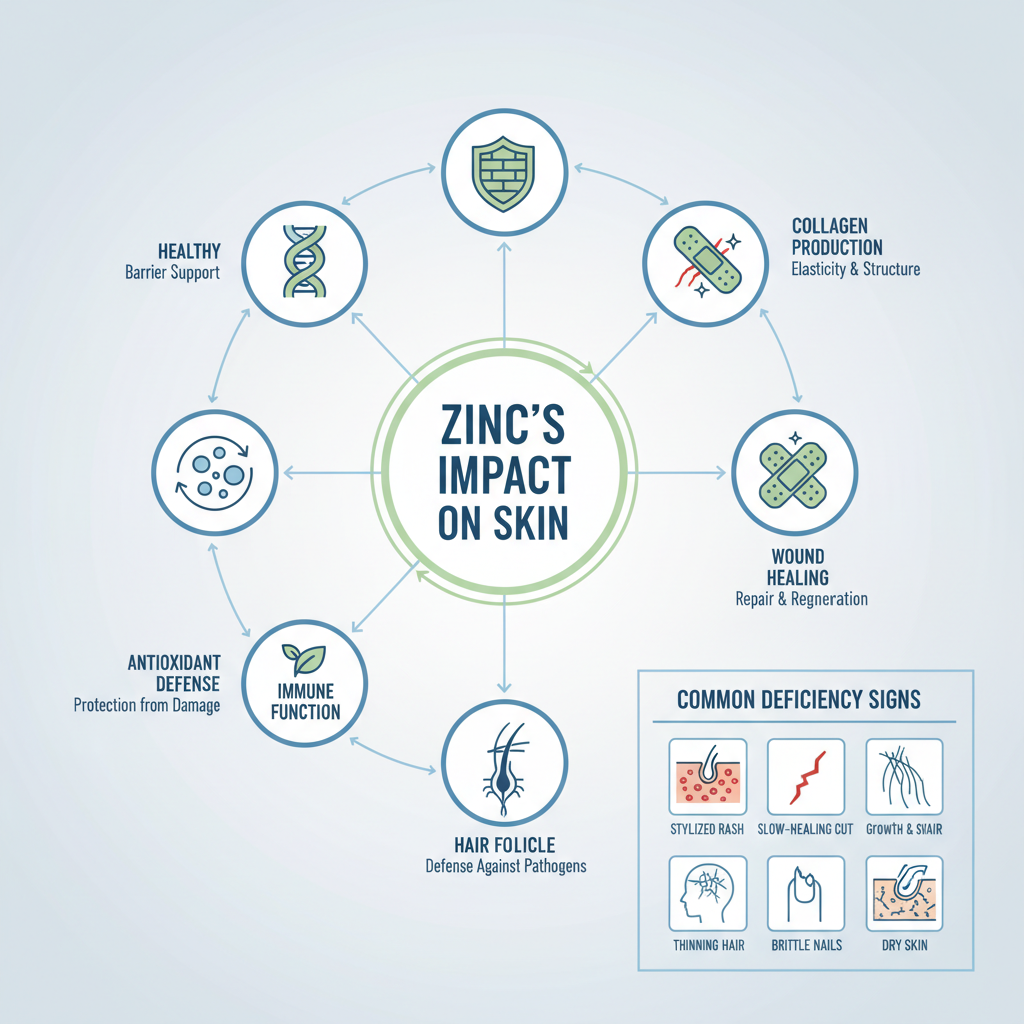
Before delving into the deficiency signs, it’s important to understand why zinc is so critical for skin. Zinc is a co-factor for over 300 enzymes involved in cell growth, protein synthesis, and immune function – all vital for healthy skin. It plays a significant role in collagen formation, which maintains skin elasticity and structure. Furthermore, zinc acts as an antioxidant, protecting skin cells from oxidative stress and environmental damage. Its anti-inflammatory properties are also key in managing various skin conditions and promoting effective wound healing.
Primary Skin Manifestations of Zinc Deficiency
A zinc deficit can disrupt the skin’s normal physiological processes, leading to a variety of noticeable changes. These manifestations often appear in specific patterns and can range from subtle to severe, significantly impacting an individual’s quality of life.
Dermatitis and Eczema-like Rashes
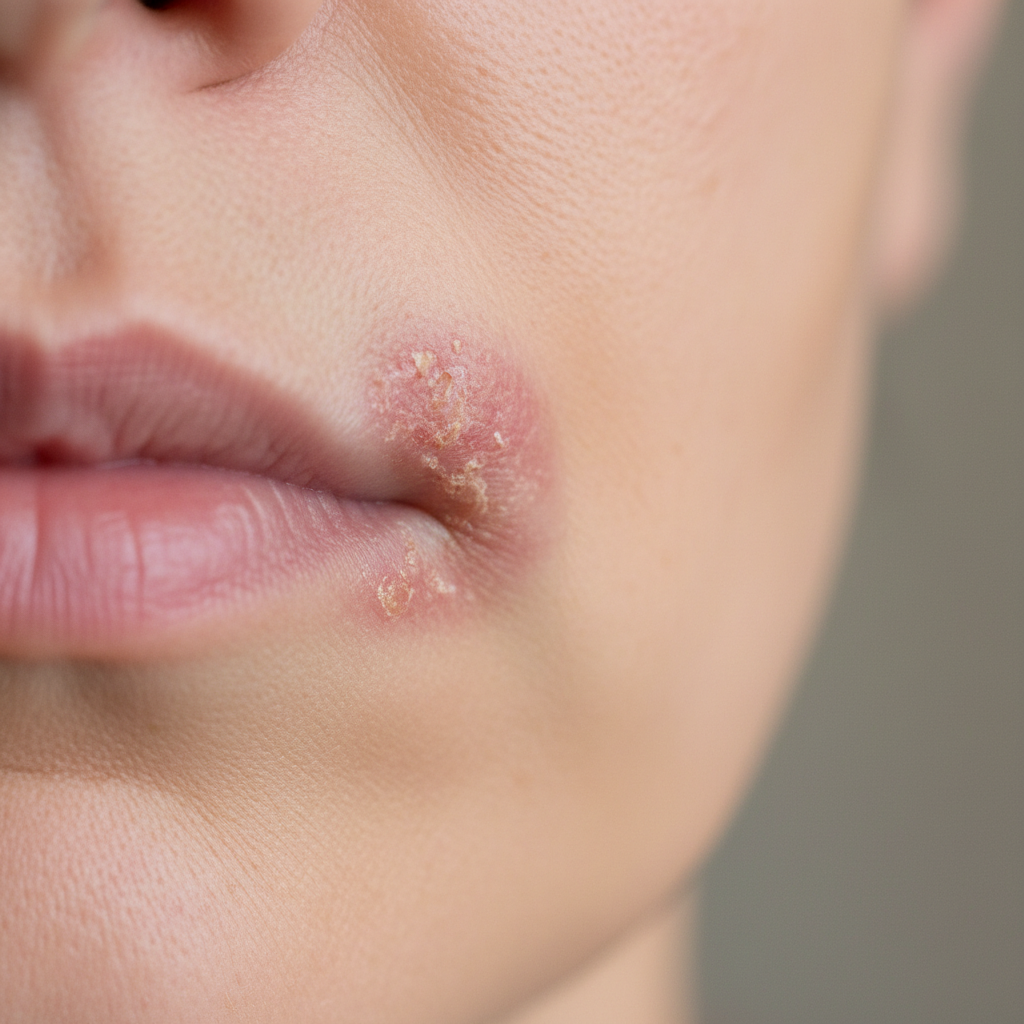
One of the most characteristic signs of zinc deficiency is the development of a persistent, often symmetrical, eczematous or psoriasiform rash. This dermatitis typically appears around the body’s orifices (periorificial), such as the mouth, nose, eyes, and anus, as well as on the hands, feet (acral), and groin area. The rash is usually red (erythematous), scaly, crusting, and can be itchy or painful, sometimes developing into pustules or blisters. In severe cases, particularly in genetic conditions like Acrodermatitis Enteropathica, these rashes can be widespread and debilitating.
Impaired Wound Healing
Zinc is fundamental for cell proliferation, tissue repair, and immune response, making it indispensable for proper wound healing. A deficiency can significantly slow down the healing process of cuts, scrapes, and surgical wounds, making them more prone to infection. You might notice that even minor injuries take an unusually long time to close and scab over, or that old scars remain red and irritated.
Increased Susceptibility to Skin Infections
As zinc is a critical component of the immune system, its deficiency weakens the skin’s natural barrier and its ability to fight off pathogens. This can lead to recurrent skin infections, including bacterial infections (like impetigo or boils), fungal infections (such as candidiasis), and viral outbreaks (like herpes simplex). The skin may appear generally unhealthy, inflamed, and less resilient to everyday exposures.
Acne Vulgaris and Zinc
While acne has multiple causes, zinc plays a role in regulating sebum production, reducing inflammation, and inhibiting the growth of Propionibacterium acnes, the bacteria implicated in acne. Adults with persistent or severe acne that doesn’t respond to conventional treatments might be experiencing zinc deficiency. The skin may present with more inflamed lesions, cysts, and pustules due to the impaired immune response and increased oxidative stress.
Hair Loss (Alopecia)
Although not strictly a skin sign, hair follicles are appendages of the skin and are significantly affected by zinc levels. Zinc deficiency can lead to diffuse hair thinning or increased hair shedding (telogen effluvium). The hair may also become brittle, dry, and lack luster. This form of hair loss can affect the scalp, eyebrows, and even eyelashes, and is often a distressing symptom.
Nail Abnormalities
Similar to hair, nails are also skin appendages that rely on adequate zinc for healthy growth. Zinc deficiency can manifest as various nail changes, including slow nail growth, brittle or fragile nails, and the appearance of white spots (leukonychia) or horizontal ridges (Beau’s lines) on the nail plate. The cuticles may also appear inflamed or prone to infection.
Dry, Flaky Skin and Poor Skin Texture
Zinc is essential for maintaining the skin’s moisture barrier and cell turnover. A deficiency can lead to generally dry, rough, and flaky skin, even in individuals who typically have oily or normal skin. The skin may lose its natural plumpness and elasticity, appearing dull and unhealthy, making it less supple and more prone to irritation.
Paleness or Hyperpigmentation
In some cases, zinc deficiency can affect melanin production and distribution, leading to unusual skin pigmentation. This might manifest as general paleness, or conversely, areas of hyperpigmentation (darkening of the skin), particularly around areas of inflammation or rash. These changes are less common but can be indicative of a deeper nutritional issue.
Who Is at Risk of Zinc Deficiency?
Certain groups are more susceptible to developing zinc deficiency, making them more likely to exhibit these skin signs:
- Individuals with Gastrointestinal Disorders: Conditions like Crohn’s disease, ulcerative colitis, celiac disease, or chronic diarrhea can impair zinc absorption.
- Vegetarians and Vegans: Plant-based diets often contain phytates, which can inhibit zinc absorption from plant foods.
- Pregnant and Lactating Women: Increased zinc demands to support fetal development and milk production.
- Alcoholics: Alcohol reduces zinc absorption and increases its excretion.
- Elderly Individuals: Often have reduced dietary intake and absorption capabilities.
- Individuals with Chronic Kidney Disease or Liver Disease: Can affect zinc metabolism.
- Those Taking Certain Medications: Diuretics, proton pump inhibitors, and some antibiotics can interfere with zinc levels.
Beyond Skin: Other General Signs of Zinc Deficiency
While skin manifestations are prominent, zinc deficiency often presents with other systemic symptoms, including:
- Weakened immune function and frequent infections
- Loss of appetite, taste, or smell
- Night blindness
- Fatigue and lethargy
- Poor growth in children
- Delayed sexual maturation
- Diarrhea
Diagnosing Zinc Deficiency
Diagnosing zinc deficiency based solely on skin signs can be challenging, as many conditions can mimic its symptoms. A healthcare professional will typically consider your medical history, dietary habits, and conduct a thorough physical examination. Blood tests to measure serum zinc levels can be indicative, although they may not always accurately reflect total body zinc stores. Often, a trial of zinc supplementation, with observed improvement in symptoms, can help confirm the diagnosis.
Management and Prevention of Zinc Deficiency
The good news is that zinc deficiency is generally treatable. Management typically involves:
- Dietary Modifications: Incorporating zinc-rich foods such as red meat, poultry, seafood (especially oysters), nuts, seeds, legumes, and whole grains.
- Supplementation: Under medical guidance, zinc supplements can be prescribed. The type and dosage of zinc are crucial, as excessive intake can lead to other health issues.
- Addressing Underlying Causes: Treating any underlying gastrointestinal disorders or modifying medications that contribute to the deficiency.
Conclusion
Recognizing the distinct signs of zinc deficiency in adult skin is an important step towards better health. From persistent rashes and impaired wound healing to unexplained hair loss and nail changes, your skin can be a powerful indicator of your internal nutritional status. If you suspect you might be deficient in zinc, it is essential to consult with a healthcare professional. A proper diagnosis and personalized treatment plan can restore your zinc levels, alleviate your symptoms, and bring your skin back to its vibrant, healthy state.