Embarking on a hike, whether it’s a strenuous multi-day trek or a leisurely day trip, demands proper nutrition. The right meal ideas for hiking fuel are not just about staving off hunger; they are about providing sustained energy, aiding recovery, and keeping your spirits high amidst nature’s challenges. As a professional chef with a passion for the outdoors, I understand that trail food needs to be more than just portable and non-perishable; it needs to be delicious, nourishing, and efficient. This comprehensive guide will equip you with a wealth of innovative and practical meal solutions to keep you energized from sunrise to sunset on any trail.
The Essentials of Hiking Nutrition: Fueling Your Adventure
Understanding the foundational principles of trail nutrition is the first step to planning successful hiking meals. Your body requires a balanced mix of macronutrients to perform optimally under the physical stress of hiking.
Carbohydrates: Your Primary Energy Source
Carbohydrates are the powerhouse of your hiking diet, providing quick and easily accessible energy. They fuel your muscles and brain, preventing fatigue. Opt for complex carbohydrates for sustained energy release and simple carbohydrates for quick boosts when needed.
- Complex Carbs: Whole grains (oats, quinoa, brown rice), sweet potatoes, legumes.
- Simple Carbs: Dried fruits, energy bars, honey.
Proteins: Muscle Repair and Satiety
Protein is crucial for muscle repair and recovery, especially after prolonged physical activity. It also helps you feel fuller for longer, reducing the urge to snack unnecessarily.
- Sources: Jerky, nuts, seeds, dehydrated meats/fish, protein powder, hard cheeses, legumes.
Healthy Fats: Sustained Energy and Calorie Density
Fats are the most calorie-dense macronutrient, providing a concentrated source of long-lasting energy. They are essential for endurance activities and help with the absorption of fat-soluble vitamins.
- Sources: Nuts, seeds, nut butters, olive oil, avocado (for shorter trips), dark chocolate.
Hydration and Electrolytes: Don’t Forget the Water!
Often overlooked, proper hydration is as critical as food. Dehydration can lead to fatigue, headaches, and impaired performance. Electrolytes (sodium, potassium, magnesium) are lost through sweat and need to be replenished to maintain fluid balance and muscle function.
- Tips: Carry sufficient water, use water filters/purifiers, pack electrolyte tablets or drink mixes.
Key Considerations When Planning Your Hiking Meals
Beyond nutrition, several practical factors influence the best meal choices for your hiking adventure.
Weight and Bulk: Go Light, Go Far
Every ounce counts when you’re carrying your gear. Prioritize lightweight, compact foods. Dehydrated or freeze-dried options significantly reduce weight and volume.
Shelf Stability: Avoiding Spoilage on the Trail
Without refrigeration, food safety is paramount. Choose items that don’t require cooling and have a long shelf life. Vacuum-sealing can extend the life of some fresh items for shorter trips.
Ease of Preparation and Cleanup
After a long day of hiking, complex cooking is the last thing you want. Opt for meals that require minimal cooking, few ingredients, and easy cleanup to conserve energy and water. One-pot meals are your best friend.
Nutritional Density: Maximize Every Calorie
Focus on foods that pack a lot of nutritional punch for their weight. Nuts, seeds, nut butters, and dried fruits are excellent examples of calorie-dense, nutrient-rich choices.
Taste and Enjoyment: Fueling the Soul
While fuel is key, morale is equally important. Pack foods you genuinely enjoy. A delicious meal can be a significant psychological boost, especially on challenging days. Don’t underestimate the power of comfort food.
Breakfast Bonanza: Kicking Off Your Day on the Trail
A good breakfast sets the tone for your entire day. It needs to be energizing, warm, and relatively quick to prepare.
No-Cook Options for Early Starts
- Overnight Oats (Pre-Mixed): Combine rolled oats, dried fruit, nuts, seeds, and powdered milk in a Ziploc. Add cold water at camp the night before or morning of.
- Granola with Powdered Milk: A classic for a reason. Crunchy granola with added protein from powdered milk and a handful of berries.
- Instant Coffee/Tea & Energy Bar: For those extremely early starts where every minute counts.
Warm & Comforting Morning Meals
- Hot Oatmeal with Add-ins: Instant or quick-cook oats mixed with dried cranberries, walnuts, brown sugar, cinnamon, and a scoop of protein powder for extra staying power.
- Grits or Polenta: Savory options. Cook with water, add dehydrated cheese, sun-dried tomatoes, or even a small packet of tuna for a hearty start.
- Dehydrated Scrambled Eggs: Mix dehydrated eggs with a bit of cheese powder and dehydrated veggies (peppers, onions). Just add hot water and stir.
Lunchtime Legends: Mid-Day Refuels That Hit the Spot
Lunch on the trail is often a no-cook affair, designed for quick consumption without breaking stride.
Sandwich Alternatives and Wraps
- Tortilla Wraps: More durable than bread. Fill with peanut butter and honey/jam, hard salami, shelf-stable cheese, or tuna/chicken packets.
- Nut Butter & Banana Chips: Spread almond butter on crackers or tortillas, top with banana chips for crunch and sweetness.
Hearty Salads (Trail-Friendly Versions)
- Quinoa Salad (Pre-cooked & Dehydrated): Rehydrate pre-cooked quinoa, mix with sun-dried tomatoes, dehydrated olives, and a small packet of olive oil and balsamic vinegar.
- Couscous Salad: Similar to quinoa, couscous rehydrates very quickly. Mix with rehydrated chickpeas, spices, and a drizzle of oil.
Quick & Easy Spreads
- Cheese & Crackers: Hard cheeses like cheddar or parmesan last well. Pair with whole-grain crackers for fiber.
- Sardines/Mackerel in Pouches: Excellent source of protein and omega-3s. Eat directly or with crackers.
Dinner Delights: Rewarding Meals After a Long Day
Dinner is when you can afford a little more time and effort, enjoying a warm, substantial meal that aids recovery and provides comfort.
One-Pot Wonders
- Pasta with Dehydrated Sauce: Cook pasta, then add a pre-mixed bag of dehydrated tomato powder, herbs, spices, and nutritional yeast for a cheesy flavor. Add dehydrated ground beef or lentils for protein.
- Ramen/Noodle Soups (Upgraded): Use instant ramen as a base, but ditch the seasoning packet. Instead, add dehydrated vegetables, dried mushrooms, a bouillon cube, soy sauce packets, and a protein source like jerky or instant miso soup paste.
- Rice and Bean Burritos: Cook instant rice and rehydrated black beans. Season with taco seasoning, then serve in tortillas with optional dehydrated cheese or hot sauce packets.
Dehydrated & Freeze-Dried Meals (Homemade vs. Store-Bought)
- Homemade Dehydrated Chili: Cook your favorite chili recipe, then spread thinly on dehydrator trays until fully dry. Rehydrate with boiling water in a freezer bag or pot.
- Store-Bought Meals: Brands like Mountain House or Backpacker’s Pantry offer convenience and a wide variety of options, from Pad Thai to Chicken and Rice. Great for when time is of the essence or if you lack dehydrating equipment.
Creative Pasta & Rice Dishes
- Mac & Cheese with Additions: Instant mac & cheese is a classic, but elevate it with dehydrated broccoli florets, bacon bits (shelf-stable), or tuna packets.
- Curried Lentils & Rice: Cook instant rice and quick-cook lentils. Stir in curry powder, coconut milk powder, and dehydrated spinach for a flavorful, protein-rich meal.
Snack Smart: Powering Through Between Meals
Snacks are vital for maintaining steady energy levels throughout the day and preventing bonking.
Energy Bars and Bites
- Homemade Energy Balls: Mix oats, nut butter, honey, chia seeds, and dried fruit. Roll into balls.
- Store-Bought Bars: Choose bars high in protein, fiber, and healthy fats, with minimal added sugar.
Nuts, Seeds, and Dried Fruits
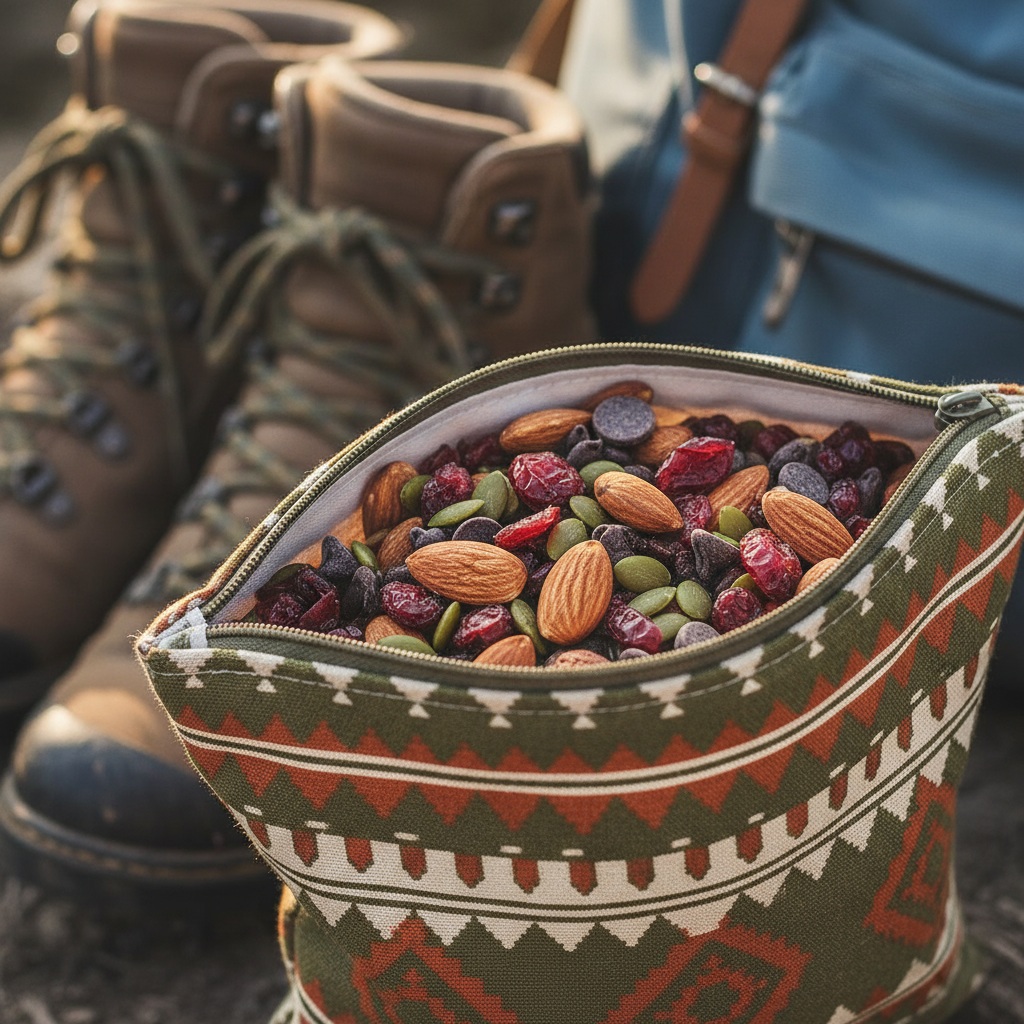
- Trail Mix: Customize your own with almonds, cashews, sunflower seeds, pumpkin seeds, raisins, cranberries, and a few chocolate chips.
- Individual Packs: Portion out nuts or dried fruit into small bags to control consumption and easily access.
Jerky and Meat Sticks
- High in protein, lightweight, and incredibly satisfying. Look for varieties with lower sodium if possible.
Savory Snacks
- Roasted Chickpeas: Crunchy, protein-rich, and flavorful.
- Parmesan Crisps: Dehydrated cheese rounds offer a salty, cheesy crunch.
- Wasabi Peas: A spicy kick to invigorate your senses.
Hydration Hacks: Beyond Plain Water
Staying hydrated is more than just drinking water; it’s about maintaining electrolyte balance.
Electrolyte Mixes
- Powdered drink mixes or effervescent tablets that replenish lost salts and minerals. Often come in appealing flavors.
Instant Coffee/Tea
- A warm beverage can be incredibly comforting and provide a mental boost.
Broths
- Bouillon cubes or powdered broth mixes dissolved in hot water provide warmth, electrolytes, and flavor. Great as a pre-dinner appetizer or a mid-day pick-me-up.
Homemade vs. Store-Bought: Pros and Cons
The choice between making your own trail food and buying pre-packaged meals depends on several factors.
The Benefits of DIY Trail Food
- Cost-Effective: Significantly cheaper than store-bought options.
- Customization: Control ingredients, portion sizes, and flavors to suit your preferences and dietary needs (allergies, vegan, gluten-free).
- Healthier: Avoid excessive sodium, unhealthy fats, and artificial additives often found in commercial meals.
- Rewarding: There’s immense satisfaction in eating a meal you prepared yourself on the trail.
When to Opt for Pre-Packaged Options
- Convenience: No preparation required beyond boiling water. Ideal for last-minute trips or when you lack time for food prep.
- Reliability: Tested for shelf-stability and rehydration.
- Variety: Commercial brands offer a wide range of exotic and familiar dishes.
- Emergency Rations: Excellent for emergency kits due to long shelf life.
Sustainable & Ethical Choices for Your Hiking Fuel
Consider the environmental impact of your food choices. Opt for minimal packaging, buy in bulk, and choose ethically sourced products when possible. Repackage food into reusable bags or containers to reduce waste on the trail. Leave no trace applies to your food waste as well – pack it all out!
Planning your hiking fuel is an integral part of a successful and enjoyable outdoor adventure. By focusing on nutrient-dense, lightweight, and delicious options, you can ensure you have the energy and morale to tackle any trail. Experiment with different recipes and strategies to find what works best for you, and remember that good food on the trail is not just sustenance – it’s an essential part of the experience. Happy trails!