Why Choose a One-Pan Skillet Meal? The Convenience Revolution
The allure of a one-pan meal goes far beyond its Instagrammable appeal. For busy individuals and families, the benefits are transformative:
- Effortless Cleanup: This is arguably the biggest draw. A single skillet means significantly less scrubbing and more time for what truly matters.
- Streamlined Cooking Process: Ingredients are often cooked in stages within the same pan, allowing flavors to meld beautifully and minimizing juggling multiple cooking vessels.
- Flavor Development: As ingredients cook together, they release juices and aromatics that build layers of complex flavor, creating a more cohesive and delicious final dish.
- Reduced Energy Consumption: Using just one burner or one oven means less energy used, which is good for your wallet and the environment.
- Perfect for Meal Prep: One-pan dishes often scale well, making them ideal for preparing larger batches for healthy lunches or dinners throughout the week.
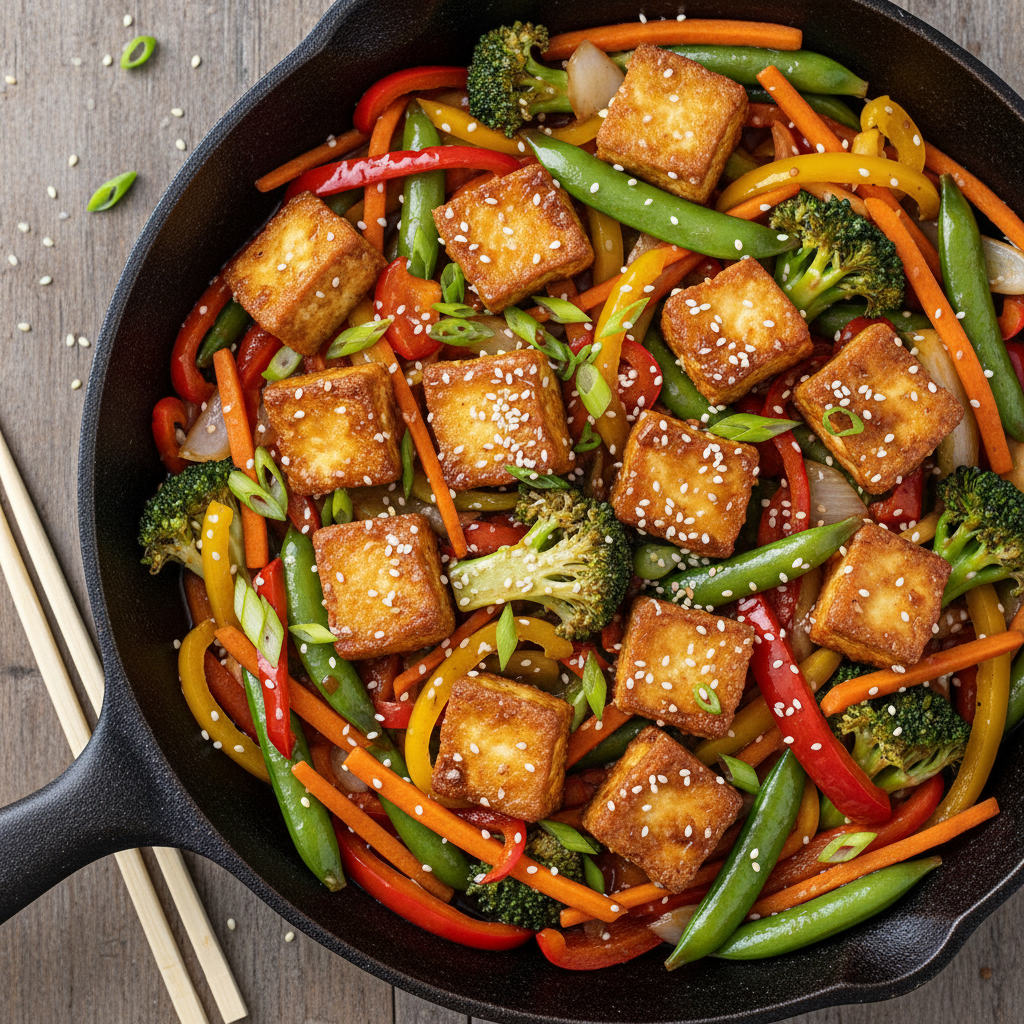
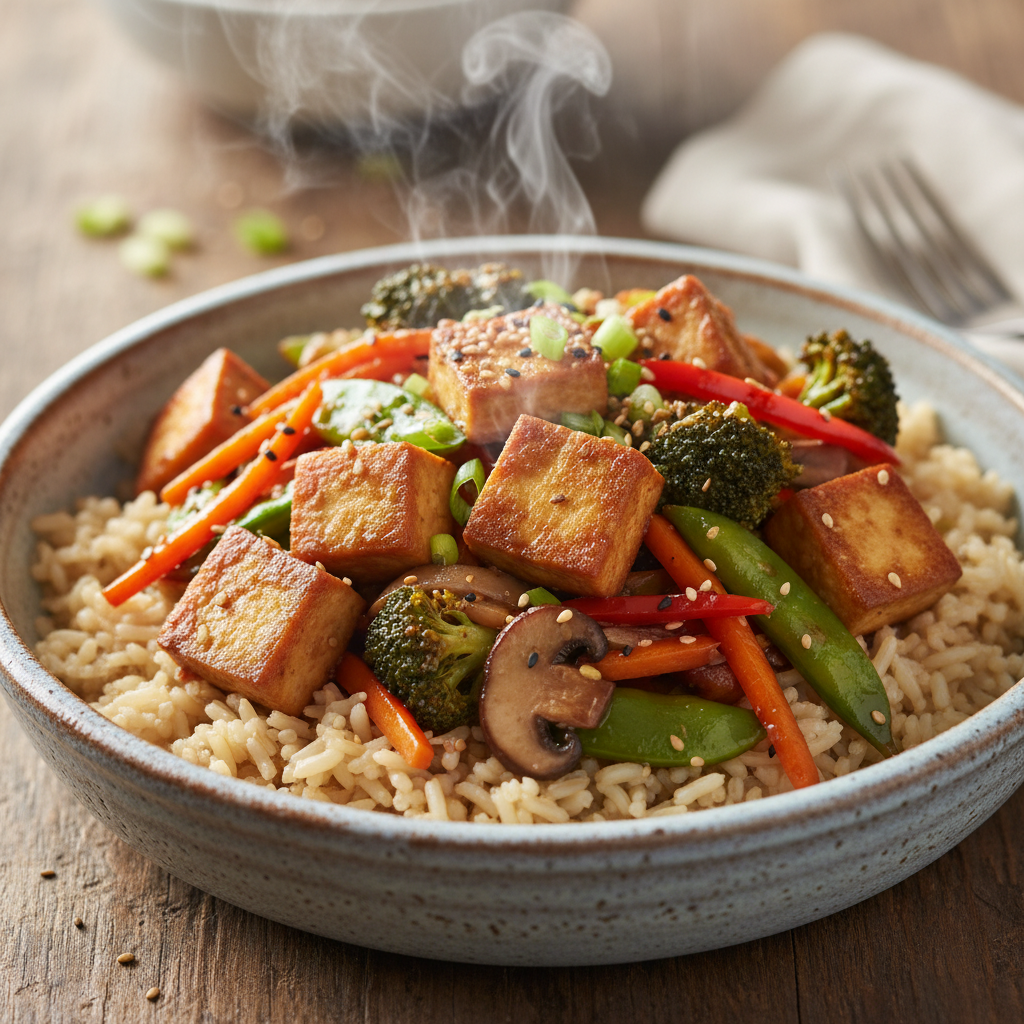
The “One-Pan Skillet Tofu and Veggie Stir-Up” embodies all these advantages, making it an indispensable recipe for any modern kitchen.
The Star Ingredient: Tofu and Its Nutritional Power
Tofu, a plant-based protein derived from soybeans, is the perfect foundation for a balanced skillet meal. It’s incredibly versatile, acting as a sponge for flavors, and offers a wealth of nutritional benefits.
- Complete Protein: Tofu contains all nine essential amino acids, making it a complete protein source, crucial for muscle repair and growth.
- Nutrient-Dense: It’s rich in iron, calcium, manganese, selenium, and phosphorus, all vital for bone health, energy production, and antioxidant defense.
- Low in Saturated Fat: Tofu is naturally low in saturated fat and cholesterol-free, supporting heart health.
- Versatile Texture: From silky smooth to delightfully firm, tofu can take on various textures depending on how it’s prepared, adding interest to any dish.
Choosing the Right Tofu for Your Stir-Up
For a skillet stir-up, extra-firm or firm tofu is your best bet. These varieties hold their shape well during cooking, preventing crumbling and providing a satisfying chew. Avoid silken or soft tofu, which are better suited for smoothies, desserts, or creamy sauces.
The Art of Pressing Tofu for Optimal Texture
Pressing tofu is a crucial step that transforms its texture and flavor absorption. Tofu naturally contains a lot of water, which, if not removed, can lead to a soggy texture and prevent it from crisping up or soaking in your delicious sauce. Here’s how to do it:
- Drain the block of tofu from its packaging.
- Wrap it in several layers of paper towels or a clean kitchen towel.
- Place it on a plate or cutting board.
- Place something heavy on top, like a stack of cookbooks or a cast-iron skillet.
- Press for at least 30 minutes, or up to 2 hours, changing the towels if they become saturated.
The result will be firmer tofu that crisps beautifully and readily absorbs all the savory notes of your stir-up sauce.
Building Your Flavorful Veggie Cast
The beauty of a veggie stir-up lies in its endless customization. Aim for a vibrant array of colors and textures to ensure a broad spectrum of nutrients and an appealing dish.
Seasonal Suggestions for Peak Flavor
While many vegetables are available year-round, choosing seasonal produce often means better flavor and lower cost.
- Spring: Asparagus, snap peas, radishes, spinach.
- Summer: Zucchini, bell peppers, green beans, corn.
- Autumn: Broccoli, carrots, Brussels sprouts, mushrooms, sweet potatoes.
- Winter: Kale, bok choy, cabbage, leeks.
Color and Nutrient Diversity
Think “eat the rainbow.” Each color often signifies different phytonutrients and vitamins:
- Greens (Broccoli, Spinach, Bok Choy, Snap Peas): Rich in vitamins K, C, folate, and fiber.
- Reds/Oranges (Bell Peppers, Carrots): Packed with vitamin A, vitamin C, and antioxidants.
- Purples (Red Cabbage, Red Onion): Contain anthocyanins, powerful antioxidants.
- Whites (Mushrooms, Cauliflower, Onions): Offer potassium, B vitamins, and unique immune-boosting compounds.
A good starting point includes bell peppers (any color), broccoli florets, carrots (sliced or julienned), and snap peas or green beans. Don’t forget aromatic vegetables like onions and garlic for building flavor from the ground up.
Crafting the Perfect Stir-Up Sauce
The sauce is the soul of your skillet tofu and veggie stir-up, tying all the ingredients together with a harmonious blend of savory, sweet, and tangy notes. It’s surprisingly easy to whisk together a flavorful concoction at home.
Essential Asian-Inspired Ingredients
A classic stir-up sauce often includes:
- Soy Sauce or Tamari: The savory backbone. Use tamari for a gluten-free option.
- Sesame Oil: Adds a nutty, aromatic depth. Best added at the end or used sparingly in cooking.
- Rice Vinegar: Provides essential tanginess to brighten the flavors.
- Ginger & Garlic: Freshly minced for pungent, aromatic heat.
- Sweetener: A touch of maple syrup, agave, or brown sugar balances the savory and tangy elements.
- Cornstarch Slurry: A mix of cornstarch and water thickens the sauce, helping it cling beautifully to the tofu and vegetables.
- Sriracha or Chili Flakes (Optional): For a touch of heat.
Customization Tips for Your Sauce
Feel free to experiment with your sauce to match your palate:
- Nutty Boost: Add a tablespoon of peanut butter for a satay-inspired sauce.
- Citrus Freshness: A squeeze of lime or orange juice can add a bright, zesty note.
- Umami Power: A dash of mushroom powder or a splash of vegetarian Worcestershire sauce can deepen the umami.
- Herbal Notes: Fresh cilantro or basil, added at the very end, can introduce a fresh, aromatic finish.
Step-by-Step Guide: How to Master Your One-Pan Skillet Tofu and Veggie Stir-Up
Follow these steps to create a perfectly cooked, flavor-packed stir-up every time.
Prep Work: The Key to Success
Mise en place (everything in its place) is critical for stir-up dishes because they cook quickly. Have all your ingredients chopped and measured before you even turn on the heat.
- Press Tofu: As described above, press your extra-firm tofu for at least 30 minutes. Once pressed, cut it into 1-inch cubes or triangles.
- Chop Veggies: Cut all your chosen vegetables into bite-sized pieces. Consider the cooking time of each; harder vegetables (carrots, broccoli stems) should be cut smaller or added earlier than softer ones (bell peppers, spinach).
- Whisk Sauce: In a small bowl, combine all your sauce ingredients (soy sauce/tamari, rice vinegar, sweetener, minced ginger, minced garlic, a splash of water or vegetable broth, and optionally sriracha). Set aside.
Sautéing Tofu to Golden Perfection
Getting a nice sear on your tofu adds a wonderful texture and helps it stand up to the vegetables and sauce.
- Heat 1-2 tablespoons of high-smoke-point oil (like avocado, grapeseed, or canola oil) in a large skillet (cast iron or non-stick works great) over medium-high heat.
- Add the pressed and cubed tofu in a single layer, ensuring not to overcrowd the pan. Cook for 5-7 minutes, flipping occasionally, until all sides are golden brown and slightly crispy.
- Remove the cooked tofu from the skillet and set aside on a plate.
Adding Vegetables in Stages
To ensure all vegetables are perfectly cooked—tender-crisp, not soggy—add them according to their density.
- In the same skillet (add a little more oil if needed), add any harder vegetables first (e.g., carrots, broccoli florets, bell peppers, onions). Sauté for 3-5 minutes until they start to soften but still have a bite.
- Next, add medium-density vegetables (e.g., mushrooms, snap peas, zucchini). Cook for another 2-3 minutes.
- Finally, stir in quick-cooking greens (e.g., spinach, bok choy). Cook just until wilted, usually 1-2 minutes.
Bringing it All Together with the Sauce
This is where all the flavors unite.
- Return the cooked tofu to the skillet with the vegetables.
- Give your whisked sauce a quick stir (especially if it contains cornstarch, as it can settle) and pour it evenly over the tofu and vegetables.
- Stir continuously for 1-2 minutes until the sauce thickens and coats all the ingredients beautifully. If using a cornstarch slurry, this thickening will happen quite quickly.
- Remove from heat immediately to prevent overcooking the vegetables.
Serving Suggestions and Variations
Your “One-Pan Skillet Tofu and Veggie Stir-Up” is a complete meal on its own, but it also pairs wonderfully with a variety of accompaniments.
Rice, Noodles, or Quinoa?
- Steamed Rice: A classic pairing. Brown rice or jasmine rice provides a neutral canvas for the flavorful stir-up.
- Noodles: Serve over cooked ramen noodles, soba noodles, or rice noodles for a heartier meal.
- Quinoa: For an extra boost of protein and fiber, quinoa is an excellent gluten-free alternative.
- Cauliflower Rice: A low-carb option that still adds bulk.
Garnishes and Extra Flavor Boosts
Elevate your dish with simple garnishes:
- Toasted sesame seeds (white or black)
- Chopped fresh scallions or cilantro
- A drizzle of chili oil or extra sesame oil
- Crushed peanuts or cashews for added crunch and healthy fats
- A wedge of lime for a burst of citrus
Meal Prep for the Week
This dish is fantastic for meal prepping. Divide into airtight containers once cooled, and refrigerate for up to 4-5 days. Reheat gently in the microwave or a skillet.
Nutritional Breakdown and Health Benefits
This one-pan meal is a powerhouse of balanced nutrition:
- High in Plant Protein: Tofu provides essential amino acids for satiety and muscle health.
- Rich in Fiber: All those vegetables contribute significantly to your daily fiber intake, crucial for digestive health and blood sugar regulation.
- Abundant in Vitamins & Minerals: Depending on your vegetable choices, you’ll be getting a wide array of vitamins (A, C, K, B vitamins) and minerals (iron, calcium, magnesium, potassium).
- Healthy Fats: Sesame oil and optional nuts provide beneficial monounsaturated and polyunsaturated fats.
- Antioxidant Rich: The colorful vegetables and ginger/garlic are loaded with antioxidants that combat oxidative stress.
- Naturally Gluten-Free & Vegan: As long as you use tamari instead of soy sauce, this recipe is suitable for those with gluten sensitivities and is completely plant-based.
Troubleshooting Common Stir-Up Challenges
- Soggy Tofu: You likely skipped or didn’t adequately press the tofu. Pressing is key! Also, ensure your pan is hot enough when searing.
- Soggy Vegetables: Overcrowding the pan reduces heat and steams vegetables instead of stir-frying them. Cook in batches if necessary. Also, ensure they are added in the correct order based on density.
- Bland Flavor: Don’t skimp on fresh aromatics like ginger and garlic. Taste your sauce before adding it and adjust seasonings (more soy sauce, vinegar, or sweetener) to your preference.
- Sauce Too Thin/Thick: Adjust cornstarch slurry. If too thin, mix another small slurry (1 tsp cornstarch + 1 tsp water) and add slowly while stirring over heat. If too thick, thin with a little vegetable broth or water.
Conclusion: Your New Go-To Healthy Meal
The “One-Pan Skillet Tofu and Veggie Stir-Up for Balanced Nutrition” is more than just a recipe; it’s a testament to how simple, wholesome ingredients can come together to create an incredibly satisfying and nutritious meal with minimal fuss. Embrace the convenience, savor the flavors, and enjoy the peace of mind that comes with knowing you’re nourishing your body with every delicious bite. This dish is poised to become a beloved staple in your culinary repertoire, making healthy eating an effortless joy.