Resistant starch recipes for blood sugar control offer a practical and tasty way to smooth post-meal glucose spikes. By including foods rich in resistant starch in your meals, you can support gut health and promote steadier energy throughout the day. This article explains what resistant starch is, why it matters for blood sugar, and how to incorporate it through delicious recipes that are easy to fit into busy schedules.
What is resistant starch?
Resistant starch (RS) is a type of carbohydrate that resists digestion in the small intestine and ferments in the large intestine. This fermentation produces short-chain fatty acids that may support metabolic health and gut function. RS occurs naturally in several foods and can be increased by cooking methods such as cooling starches after heating. Understanding RS helps you choose meals that support blood sugar control without sacrificing flavor.
Types of resistant starch
- RS1: Physical barriers in whole or partially milled grains, seeds, and legumes. These are less digestible due to their fibrous matrix.
- RS2: Naturally resistant starch found in some raw foods such as green (unripe) bananas, raw potatoes, and certain seeds and legumes.
- RS3: Retrograded starch formed when starchy foods are cooked and then cooled. This is common in cooled potatoes, rice, and pasta.
- RS4: Chemically modified starches used in some processed foods and supplements. These are less common in home cooking but can contribute to total RS intake.
- RS5: Starch–lipid complexes that can form in some foods; less common but part of the broader RS family.
How resistant starch may help with blood sugar control
RS can influence blood sugar through several mechanisms. First, slower digestion of starches reduces large glucose surges after meals, promoting a gentler rise in blood sugar. Second, RS fermentation in the gut supports the production of short-chain fatty acids like butyrate, which may improve insulin sensitivity for some individuals. Third, RS often comes with fiber and protein that further blunt postprandial glucose responses. While RS is not a substitute for medical treatment where needed, it can be a useful component of a balanced, blood-sugar-conscious eating pattern.
When choosing RS-containing foods, keep portions in mind and pair starches with lean proteins, healthy fats, and non-starchy vegetables. This combination helps maximize satiety and minimizes the total glycemic load of a meal.
Practical tips for incorporating resistant starch safely
- Start with small amounts and gradually increase to minimize gas or bloating in sensitive individuals.
- Prefer cooling methods for high-starch foods (potatoes, rice, pasta) to enhance RS3 formation.
- Combine RS-rich foods with protein and fiber-rich vegetables to balance blood sugar and support fullness.
- Hydrate adequately and listen to your body as you adjust to higher RS intake.
Recipes: resistant starch recipes for blood sugar control
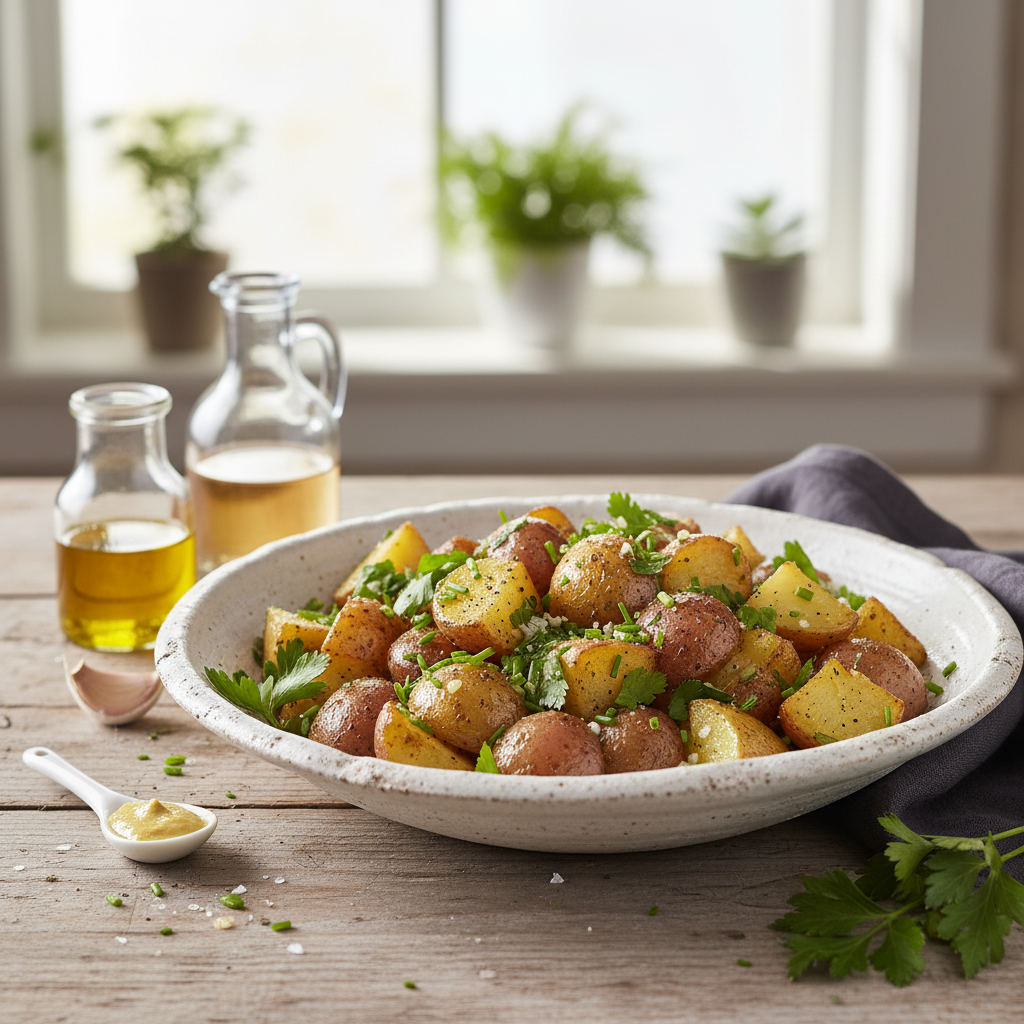
Chilled potato and chickpea salad
Why this is RS3-rich: Cooling potatoes after cooking increases retrograded starch, boosting resistant starch content without changing taste.
- Ingredients
- 2 cups cooled boiled potatoes, diced
- 1 cup cooked chickpeas
- 1/2 cup diced cucumber
- 1/4 cup plain Greek yogurt
- 2 tablespoons olive oil
- Juice of 1 lemon
- Fresh herbs (parsley or dill), salt, and pepper to taste
- Steps
- In a large bowl, combine potatoes, chickpeas, and cucumber.
- Whisk yogurt, olive oil, lemon juice, salt, and pepper to make a light dressing.
- Toss the dressing with the salad and top with fresh herbs. Chill for 20 minutes before serving.
- Serve as a lunch topping or a side dish with a protein of choice.
Lentil and barley veggie bowl
Why this is RS-rich: Legumes and whole grains provide a hearty source of resistant starch and fiber, especially when cooled.
- Ingredients
- 1 cup cooked lentils
- 1 cup cooked barley
- 2 cups roasted vegetables (bell peppers, zucchini, red onion)
- 2 tablespoons tahini dressing or olive oil dressing
- Juice of 1/2 lemon, salt, and pepper
- Steps
- Combine lentils, barley, and roasted vegetables in a bowl.
- Drizzle with tahini or olive oil dressing and lemon juice.
- Toss gently and serve at room temperature or chilled.
Green banana and chickpea curry
Why this is RS-rich: Green (unripe) bananas contribute RS2, while chickpeas add additional fiber and protein for a balanced meal.
- Ingredients
- 2 medium green bananas, sliced
- 1 cup cooked chickpeas
- 1 can (14 oz) diced tomatoes
- 1 onion, chopped
- 2 cloves garlic, minced
- 1 tablespoon curry powder
- 1 cup vegetable broth
- 2 teaspoons olive oil
- Salt to taste
- Steps
- Sauté onion and garlic in olive oil until translucent.
- Add curry powder and toast briefly to release aroma.
- Stir in bananas, chickpeas, tomatoes, and broth. Simmer for 12–15 minutes until bananas are soft but not mushy.
- Season with salt and serve with a side of whole-grain bread or quinoa for a complete meal.
Roasted veggie rice bowl with cooled quinoa
Why this is RS-rich: Cooling cooked rice or quinoa increases RS3; pairing with roasted veggies provides balanced nutrition and satiety.
- Ingredients
- 2 cups cooked, cooled quinoa or brown rice
- 2 cups roasted mixed vegetables (carrot, broccoli, cauliflower)
- 1/2 cup canned corn or peas (optional)
- 2 tablespoons sesame or olive oil
- 2 tablespoons tamari or low-sodium soy sauce
- Sesame seeds for garnish
- Steps
- Place cooled quinoa or rice in bowls.
- Top with roasted vegetables and corn/peas if using.
- Drizzle with oil and tamari, then sprinkle sesame seeds. Toss to combine and serve.
Overnight oats with chia and berries
Why this is RS-friendly: Oats provide RS components, and soaking them overnight helps retain some resistant starch while delivering a quick, convenient breakfast.
- Ingredients
- 1/2 cup rolled oats
- 1/2 cup unsweetened almond milk or yogurt
- 1 tablespoon chia seeds
- 1/2 cup mixed berries
- Optional: cinnamon, vanilla, or a drizzle of honey
- Steps
- Combine oats, milk or yogurt, and chia seeds in a jar. Stir well and refrigerate overnight.
- In the morning, top with berries and optional flavorings. Eat cold or warm as desired.
Cold whole-grain pasta salad with vegetables
Why this is RS-rich: When cooked and cooled, whole-grain pasta develops more resistant starch (RS3), especially when paired with fiber-rich vegetables.
- Ingredients
- 2 cups cooked and cooled whole-grain pasta
- 1 cup cherry tomatoes, halved
- 1 cup cucumber, diced
- 1/2 cup olives (optional)
- 2 tablespoons olive oil
- Juice of 1 lemon
- Fresh herbs and pepper to taste
- Steps
- In a large bowl, combine pasta, tomatoes, cucumber, and olives.
- Whisk olive oil and lemon juice with herbs, then toss with the pasta mixture.
- Chill for at least 30 minutes before serving to maximize RS3 formation.
Putting it all together
These recipes illustrate practical ways to incorporate resistant starch into everyday meals. Aim for a balance of RS-rich starches with lean proteins, healthy fats, and a colorful array of vegetables. If you have diabetes or another health condition, work with a clinician or registered dietitian to tailor portions and timing to your specific needs. The goal is sustainable improvements in blood sugar control through consistent, enjoyable meals.
Bottom line
Resistant starch can be a helpful component of a blood-sugar-conscious diet when used along with overall dietary patterns that emphasize whole foods, fiber, and balanced nutrition. Start small, increase gradually, and prioritize meals that you enjoy. With a little planning, resistant starch recipes can support energy levels, gut health, and metabolic wellness over time.