Pacing strategies for chronic fatigue syndrome are practical techniques that help people manage limited energy, prevent crashes, and maintain meaningful daily activities. This guide explains pacing in clear, step-by-step terms and offers evidence-informed tools you can adapt with your healthcare team.
What is pacing and why it matters
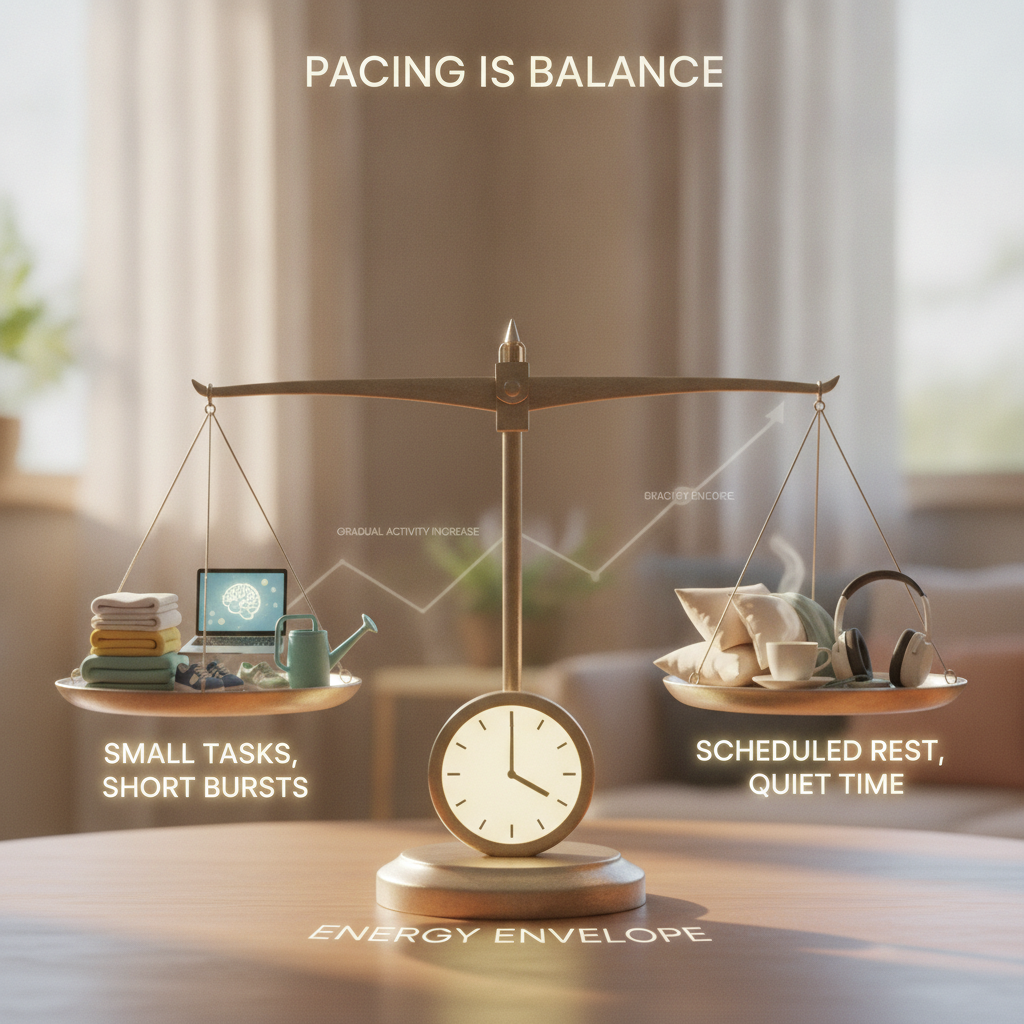
Pacing is an energy-management approach that balances activity and rest to avoid symptom flare-ups, especially post-exertional malaise (PEM). Rather than pushing through fatigue or forcing a rigid exercise plan, pacing emphasizes self-monitoring, predictable rest breaks, and realistic goal-setting.
Clinical guidelines and patient reports consistently highlight pacing as a core strategy for many people with ME/CFS (myalgic encephalomyelitis/chronic fatigue syndrome). When done thoughtfully, pacing reduces the frequency and severity of relapses and improves quality of life.
Core pacing techniques
1. Track baseline activity and symptoms
Start by keeping a simple activity and symptom diary for 1–2 weeks. Record types of activity, duration, perceived exertion, and any increase in symptoms that follows. This baseline helps identify triggers, typical energy limits, and patterns of PEM.
2. Use the energy envelope concept
The energy envelope means staying within your personal energy limits rather than exceeding them and causing setbacks. Plan daily activities so that you do not consistently push beyond your baseline during busy periods, and reduce activity levels proactively when symptoms rise.
3. Break tasks into manageable chunks
Divide physical and cognitive tasks into shorter segments with planned rest in between. For example, perform a household chore for 10–20 minutes, then rest for a similar duration. Regular micro-rests (sitting, breathing, calming activity) can prevent larger crashes later.
4. Prioritize and simplify
Identify high-priority activities and defer or delegate tasks that are nonessential. Use low-energy alternatives—online grocery delivery, adapted tools, or batching tasks—to conserve energy for what matters most.
5. Set flexible, measurable goals
Use small, realistic goals that can be adjusted based on symptom signals. Rather than “exercise everyday,” aim for “walk for 5–10 minutes at a comfortable pace, three times per week,” and reassess frequently with your clinician.
6. Schedule predictable rest
Put rest periods into your calendar like appointments. Predictable rests reduce anxiety about when you’ll be able to recover and help stabilize energy across the day.
Monitoring tools and technology
Simple tools can support pacing practice. Use activity diaries, smartphone apps for symptom tracking, and wearable devices to monitor steps or heart rate. Some people find heart-rate pacing helpful, but heart-rate targets should be personalized and discussed with a clinician knowledgeable about ME/CFS.
Objective tracking makes it easier to notice trends and communicate with healthcare providers or occupational therapists about progress and setbacks.
Addressing post-exertional malaise (PEM)
PEM is a hallmark of ME/CFS and can be delayed by hours or days after activity. Avoiding or minimizing PEM is central to pacing. If you experience a PEM flare, reduce activity, increase rest, and follow a stepwise recovery plan.
Learn your typical PEM triggers—physical exertion, cognitive load, emotional stress—and adapt your environment and schedule to reduce exposure to those triggers when possible.
Working with clinicians and therapists
Collaborate with occupational therapists, physiotherapists experienced in ME/CFS, and physicians who understand post-exertional illness. These professionals can help create a tailored pacing plan, suggest activity modifications, and recommend assistive devices.
Be aware that approaches like graded exercise therapy (GET) have been controversial and are not appropriate for everyone. Current clinical guidance emphasizes individualized activity management and prioritizes preventing harm.
Putting pacing into a personalized plan: step-by-step
- Assess: Keep a 1–2 week diary to establish baseline activity and symptom patterns.
- Plan: Identify priority tasks for the week and schedule rest periods around them.
- Implement: Use short activity bursts and scheduled rests; delegate nonessential tasks.
- Monitor: Track symptoms and activity; note early warning signs of PEM.
- Adjust: Reduce or change activities when symptoms increase and consult your care team.
Daily practical tips
- Start the day with the most important task while energy is relatively higher.
- Use adaptive equipment and ergonomic setups to reduce physical strain.
- Practice energy-preserving techniques: sit to perform chores, use two hands, and plan routes to avoid unnecessary walking.
- Limit multitasking to reduce cognitive load and conserve mental energy.
- Communicate needs to family, employers, and caregivers and request reasonable adjustments.
When to seek further help
If pacing alone does not control symptom flares or if you experience rapidly worsening symptoms, consult your primary care provider or an ME/CFS specialist. Seek urgent care for new, severe symptoms such as chest pain, unexplained fainting, or sudden neurological changes.
Psychological support can help manage the emotional impact of chronic illness. Cognitive strategies can complement pacing when provided by clinicians experienced with ME/CFS.
Summary
Pacing strategies for chronic fatigue syndrome are individualized, evidence-informed, and centered on preventing PEM while maximizing quality of life. Start with careful self-monitoring, create a realistic energy envelope, use scheduled rests, and collaborate with clinicians and therapists for a personalized plan. With consistent practice and adjustments, pacing can help stabilize daily function and reduce the frequency of debilitating crashes.
Further resources
Look for guidance from reputable sources such as national ME/CFS organizations, clinical practice guidelines, and specialists experienced in post-exertional illness. Always review pacing plans with your healthcare team before making major changes.