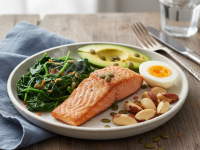
Why iodine matters for thyroid health
The thyroid gland uses iodine to make the hormones thyroxine (T4) and triiodothyronine (T3). These hormones regulate metabolic rate, growth, heart function, and brain development.
Iodine deficiency can lead to goiter, hypothyroidism, pregnancy complications, and impaired neurodevelopment in infants and children. Conversely, excessive iodine intake can worsen autoimmune thyroid disease or trigger hyperthyroidism in susceptible people.
Recommended iodine intake and safety
Recommended dietary iodine intake for most adults is about 150 micrograms per day. Pregnant and lactating people need more, roughly 220–290 micrograms daily, to support fetal and infant development.
The tolerable upper intake level in many countries is set around 1,100 micrograms per day for adults. Regularly exceeding this limit—especially with concentrated supplements or frequent high-iodine seaweed—carries risk and should be avoided without medical supervision.
Top iodine-rich foods
Dietary iodine comes from specific foods and fortification. Here are reliable food sources to include in a thyroid-supporting diet.
Seaweed and marine vegetables
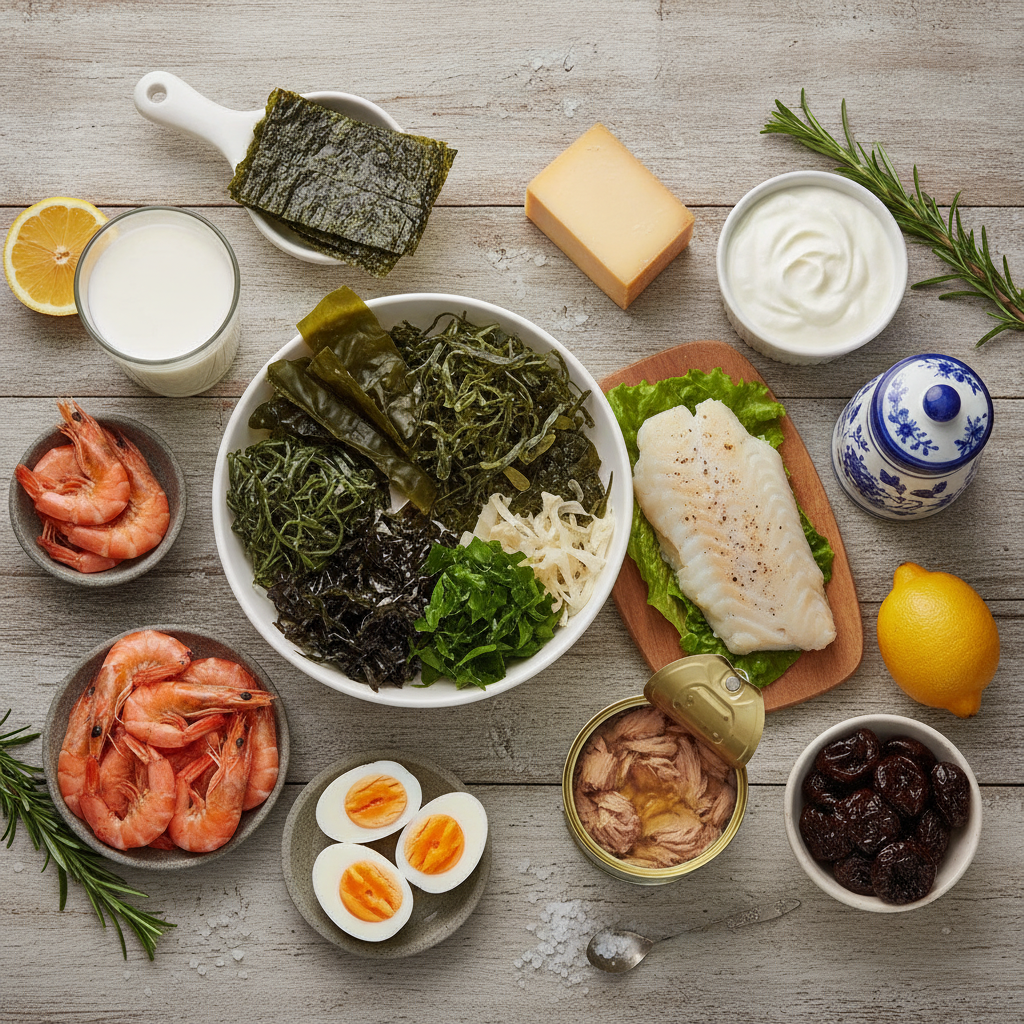
- Types: kelp, wakame, nori, dulse. These are among the richest natural iodine sources.
- Benefits: a small serving of kelp or dried seaweed can supply well over the daily requirement.
- Caution: iodine content is highly variable by species and harvest location; occasional consumption is safest.
Fish and shellfish
- Examples: cod, tuna, haddock, shrimp, scallops. Regular servings provide meaningful iodine alongside omega-3 fats and protein.
- Tip: choosing a variety of fish helps balance nutrient intake and reduce contaminant exposure.
Dairy and eggs
- Dairy: milk, yogurt, and cheese are common iodine contributors in many diets due to iodine in animal feed and sanitizers used in dairy production.
- Eggs: especially the yolk, offer modest iodine and beneficial cofactors like selenium and choline.
Iodized salt and fortified foods
- Iodized table salt is a simple, effective public health measure to prevent deficiency. One teaspoon of iodized salt can supply a substantial portion of daily iodine but be mindful of overall sodium.
- Fortified bread and processed foods in some regions may also contain added iodine.
Supportive nutrients that matter
Iodine works within a network of micronutrients. Selenium is essential for converting T4 into active T3 and protects the thyroid from oxidative damage. Zinc and iron are also needed for healthy thyroid hormone synthesis and metabolism.
A balanced diet including seafood, lean meats, legumes, whole grains, nuts, dairy, and vegetables generally supplies these cofactors. If you suspect deficiencies, discuss targeted testing with your healthcare provider.
Foods and factors that can affect iodine use
Some foods contain compounds called goitrogens that can interfere with iodine uptake when consumed in very large amounts and in the context of low iodine intake. Examples include raw cruciferous vegetables (broccoli, cauliflower, cabbage), cassava, and soy.
Cooking reduces goitrogenic activity, and modest intake of these foods is unlikely to cause problems for those with adequate iodine. People with known iodine deficiency should consult a clinician about dietary adjustments.
How to include iodine-rich foods safely
- Use iodized salt in moderation to help meet daily needs while monitoring sodium intake.
- Add seaweed 1–2 times per week rather than daily; prefer nori for sushi or small wakame servings in soups.
- Include 2–3 servings per week of fish or shellfish and regular servings of dairy or eggs if tolerated.
- A prenatal vitamin with iodine is recommended for pregnant and breastfeeding people—confirm the dose with your provider.
- Avoid high-dose kelp or iodine supplements unless prescribed after testing; these can trigger thyroid dysfunction.
When to seek medical testing and advice
If you have symptoms such as unexplained fatigue, weight changes, hair loss, sensitivity to cold, or a visible neck swelling, speak with a healthcare professional. These may indicate thyroid dysfunction that requires testing.
Urinary iodine concentration is the standard population-level test for iodine status but may be used selectively in clinical settings. Thyroid function testing (TSH, free T4, and sometimes free T3 and antibodies) will guide diagnosis and treatment.
Practical meal ideas
Breakfast: Greek yogurt with a soft-boiled egg and a sprinkle of toasted nori flakes for texture and iodine boost.
Lunch: Mixed greens with tuna or shrimp, a side of iodized salt-seasoned whole grain bread, and a small seaweed salad.
Dinner: Baked cod with steamed vegetables (cooked crucifers), brown rice, and a small side of wakame soup for added iodine.
Bottom line
Incorporating iodine-rich foods for thyroid health support can be straightforward and effective when done safely. Focus on a varied diet that includes seafood, dairy, eggs, and iodized salt, and be cautious with concentrated supplements and high-iodine seaweed.
Partner with your healthcare provider for testing and personalized recommendations—especially if you are pregnant, breastfeeding, or have a thyroid condition. Thoughtful nutrition and professional guidance help keep your thyroid functioning optimally.