The Brain-Food Connection: Why What You Eat Matters
Your brain is an incredibly complex organ, consuming a disproportionate amount of your body’s energy. Just like a high-performance engine, it requires premium fuel to operate at its best. The foods you consume directly impact its structure and function, influencing everything from neurotransmitter production to inflammation levels, all of which play a critical role in your cognitive abilities.
- Neurotransmitter Production: Many nutrients are precursors to neurotransmitters like serotonin, dopamine, and acetylcholine, which regulate mood, memory, and focus.
- Energy Supply: Stable blood sugar from complex carbohydrates provides a steady energy supply, preventing the mental fog associated with energy crashes.
- Anti-Inflammatory Effects: Chronic inflammation can damage brain cells and impair cognitive function. Antioxidant-rich foods help combat this.
- Brain Structure and Function: Healthy fats, particularly Omega-3s, are crucial building blocks for brain cells and support nerve signal transmission.
Key Nutrients for Peak Cognitive Performance
To craft the best meals for mental focus and clarity, it’s essential to understand the powerhouse nutrients that directly benefit your brain. Focusing on these will be your blueprint.
Omega-3 Fatty Acids
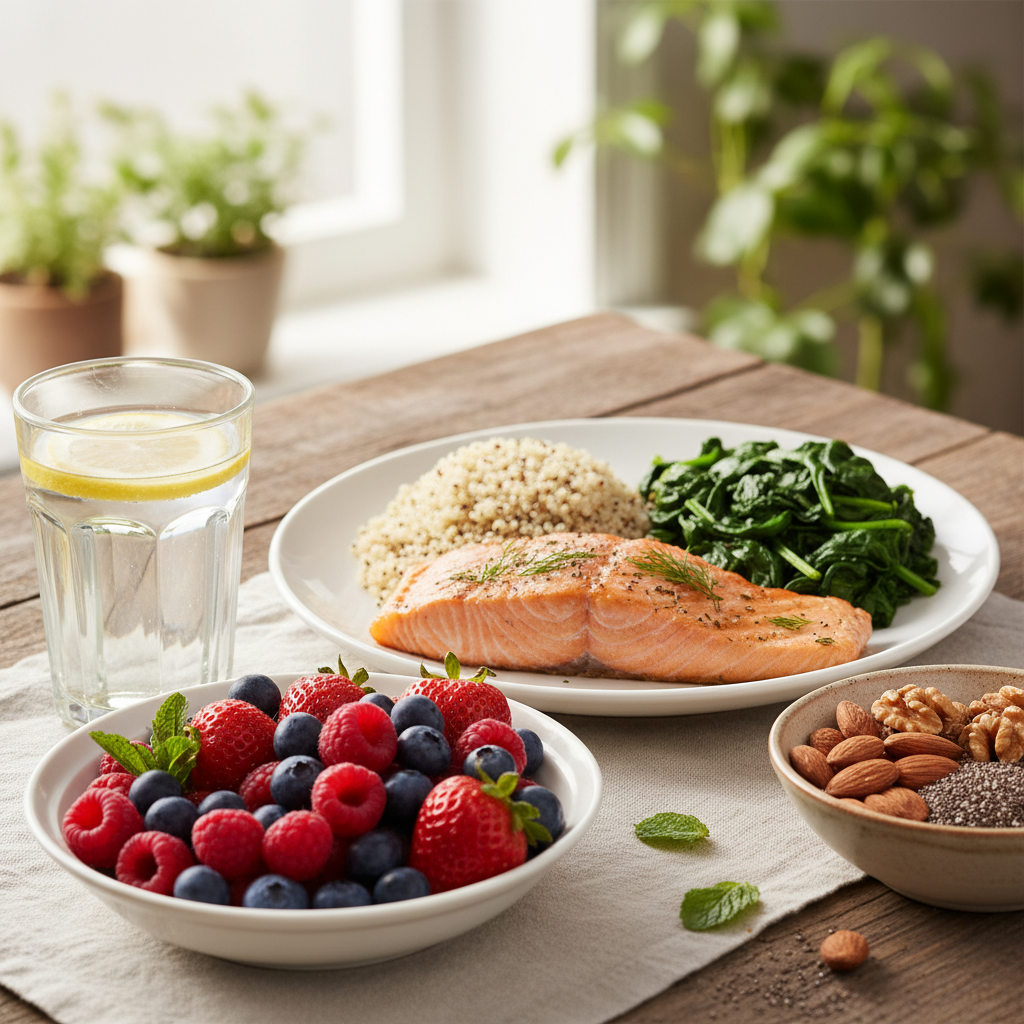
These essential fats, particularly DHA (docosahexaenoic acid), are vital for brain health. DHA is a major structural component of brain cell membranes and is critical for communication between neurons. It’s linked to improved memory, cognitive processing speed, and reduced risk of cognitive decline.
Antioxidants (Vitamins C, E, Beta-Carotene, Flavonoids)
Antioxidants protect brain cells from oxidative stress and damage caused by free radicals, which can contribute to aging and cognitive impairment. They are crucial for maintaining cellular integrity and function.
B Vitamins (B6, B9/Folate, B12)
These vitamins play a critical role in energy production, neurotransmitter synthesis, and nerve function. They help reduce homocysteine levels, an amino acid linked to cognitive impairment and neurological diseases when elevated.

Choline
Choline is a precursor to acetylcholine, a neurotransmitter important for memory and muscle control. It’s essential for cell membrane structure and messaging.
Iron
Iron is vital for oxygen transport in the blood, including to the brain. Iron deficiency can lead to fatigue, poor concentration, and impaired cognitive function.
Magnesium
Magnesium is involved in over 300 enzymatic reactions in the body, many of which are critical for nerve transmission and brain function. It helps regulate neurotransmitters and protects against excitotoxicity.
Top Food Categories for Brain-Boosting Meals
Now that we know the key players, let’s explore the food categories that should form the foundation of your diet for mental focus and clarity.
1. Fatty Fish: The Ultimate Brain Fuel
Sardines, salmon, mackerel, trout, and herring are packed with Omega-3 fatty acids. Aim for at least two servings per week.
- How to incorporate: Grilled salmon with steamed vegetables, mackerel salad, salmon patties, or even canned sardines on whole-grain toast.
2. Berries: Nature’s Antioxidant Powerhouses
Blueberries, strawberries, raspberries, and blackberries are rich in flavonoids, particularly anthocyanins, which have been shown to improve memory and cognitive function by increasing blood flow to the brain and protecting against oxidative stress.
- How to incorporate: Add to oatmeal, yogurt, smoothies, or enjoy as a standalone snack.
3. Leafy Green Vegetables: The Green Superstars
Spinach, kale, collard greens, and broccoli are brimming with Vitamin K, folate, lutein, and beta-carotene – all linked to brain health and slower cognitive decline.
- How to incorporate: Salads, stir-fries, smoothies, omelets, or as a side dish.
4. Nuts and Seeds: Healthy Fats and Micronutrients
Walnuts, almonds, chia seeds, flax seeds, and pumpkin seeds offer a powerful combination of Omega-3s (ALA in walnuts, chia, flax), Vitamin E, antioxidants, and magnesium. Walnuts, in particular, are known for their high antioxidant content.
- How to incorporate: Sprinkled on salads, oatmeal, yogurt, mixed into trail mix, or as a snack.
5. Whole Grains: Stable Energy for Your Brain
Oats, brown rice, quinoa, whole-wheat bread, and barley provide complex carbohydrates that release glucose slowly into the bloodstream, ensuring a steady energy supply to your brain and preventing “brain fog.” They also contain B vitamins.
- How to incorporate: Oatmeal for breakfast, quinoa salad for lunch, brown rice with dinner, whole-grain sandwiches.
6. Legumes: Plant-Based Powerhouses
Beans, lentils, and chickpeas are excellent sources of complex carbohydrates, fiber, folate, and magnesium, contributing to sustained energy and neurotransmitter function.
- How to incorporate: Soups, stews, salads, hummus, or as a side dish.
7. Eggs: Choline and Protein Boost
Eggs, especially the yolks, are rich in choline, a vital nutrient for memory and brain development. They also provide high-quality protein for sustained energy and muscle repair.
- How to incorporate: Scrambled, poached, boiled, or in omelets and frittatas.
8. Dark Chocolate: A Delicious Brain Treat
With at least 70% cocoa, dark chocolate contains flavonoids, antioxidants, and a small amount of caffeine. Flavonoids can improve blood flow to the brain, enhancing cognitive function and mood.
- How to incorporate: Enjoy a small square (1 ounce) as a treat.
Crafting Meals for Mental Focus and Clarity: Practical Examples
Let’s put theory into practice with some delicious and brain-friendly meal ideas that incorporate these powerful ingredients.
Breakfast Ideas for a Focused Start
- Omega-3 & Berry Burst Oatmeal: Cooked rolled oats topped with a handful of fresh blueberries and a tablespoon of ground flaxseeds. Add a sprinkle of walnuts for extra crunch and healthy fats.
- Choline-Rich Scramble: Scrambled eggs (2-3) with a generous serving of sautéed spinach and mushrooms. Serve with a slice of whole-grain toast.
- Brain-Boosting Smoothie: Blend spinach, mixed berries, a tablespoon of chia seeds, a scoop of plant-based protein, and unsweetened almond milk.
Lunch Ideas for Sustained Concentration
- Salmon and Quinoa Power Bowl: Flaked grilled salmon (or canned wild salmon) over a bed of quinoa, mixed with roasted broccoli florets, cherry tomatoes, and a lemon-tahini dressing.
- Mediterranean Lentil Salad: Cooked lentils mixed with chopped cucumber, bell peppers, red onion, Kalamata olives, and a light vinaigrette. Serve with a side of whole-wheat pita bread.
- Spinach and Chickpea Wrap: A whole-wheat tortilla filled with hummus, fresh spinach, mashed chickpeas, grated carrots, and a sprinkle of pumpkin seeds.
Dinner Ideas for Optimal Evening Brain Health
- Mackerel and Mixed Greens Dinner: Baked mackerel fillets served alongside a vibrant salad of mixed greens, walnuts, and strawberries, dressed with a balsamic vinaigrette.
- Turkey and Brown Rice Stir-fry: Lean ground turkey stir-fried with plenty of kale, bell peppers, and broccoli florets, seasoned with ginger and garlic, served over brown rice.
- Hearty Bean and Vegetable Chili: A homemade chili packed with various beans, tomatoes, onions, and carrots, seasoned with brain-boosting spices like turmeric. Serve with a dollop of Greek yogurt.
Smart Snacking for Continuous Clarity
- A handful of mixed nuts and berries.
- An apple with a tablespoon of almond butter.
- Greek yogurt with a sprinkle of chia seeds.
- Vegetable sticks (carrots, celery) with hummus.
- A small piece of dark chocolate (70% cocoa or higher).
Foods to Limit or Avoid for Better Mental Focus
Just as some foods boost brain power, others can hinder it. Limiting or avoiding these can significantly improve your mental clarity.
- Refined Carbohydrates and Sugary Foods: White bread, pastries, sugary drinks, and candies cause rapid spikes and crashes in blood sugar, leading to energy dips and impaired focus.
- Trans Fats and Excessive Saturated Fats: Found in fried foods, processed snacks, and some fast food, these can contribute to inflammation and negatively impact brain health.
- Highly Processed Foods: Often low in nutrients and high in unhealthy fats, sugar, and artificial additives, these offer little benefit and can contribute to overall poor health and brain fog.
- Excessive Caffeine and Alcohol: While small amounts of caffeine can boost alertness, too much can lead to jitters, anxiety, and sleep disturbances. Alcohol, even in moderation, can impair memory and judgment.
Hydration: The Unsung Hero of Mental Clarity
Dehydration, even mild, can significantly impact cognitive function, leading to fatigue, reduced concentration, and headaches. Water is essential for every brain function, including nutrient transport and waste removal. Aim to drink plenty of water throughout the day.
- Tip: Keep a water bottle handy and sip regularly. Infuse water with fruit or herbs for added flavor.
Beyond the Plate: Lifestyle Factors Complementing Your Diet
While diet forms a powerful foundation, integrating these lifestyle habits will create an even stronger ecosystem for peak mental performance.
- Regular Exercise: Physical activity increases blood flow to the brain, supports the growth of new brain cells, and reduces stress.
- Adequate Sleep: Your brain consolidates memories and clears out metabolic byproducts during sleep. Prioritize 7-9 hours of quality sleep nightly.
- Stress Management: Chronic stress can damage brain cells and impair cognitive function. Practice mindfulness, meditation, or spend time in nature.
- Lifelong Learning: Continuously challenge your brain with new skills, puzzles, or reading to maintain cognitive vitality.
Embracing a Brain-Friendly Diet for a Sharper You
Transitioning to a diet rich in meals for mental focus and clarity isn’t about restrictive eating; it’s about embracing a vibrant, nutrient-dense lifestyle that fuels your most important organ. By prioritizing whole foods, healthy fats, lean proteins, and complex carbohydrates, you’re not just feeding your body; you’re nurturing a resilient, agile, and focused mind. Start by incorporating small changes, experimenting with new recipes, and observing the positive impact on your cognitive performance. Your brain will thank you for it.