Why Healthy Eating is Crucial for Teens
Adolescence is a period of rapid growth and development, demanding significant nutritional input. While weight management is often a concern for many teens, it’s vital to approach it with a focus on holistic health rather than just numbers on a scale. Crash diets or extreme calorie restriction can be detrimental, hindering growth, impacting mood, and potentially leading to nutrient deficiencies or disordered eating patterns. Instead, promoting a balanced diet rich in whole foods helps teens achieve and maintain a healthy weight, boosts energy levels, improves concentration for academic success, strengthens the immune system, and supports healthy bone development.
- Fueling Growth: Teens need adequate calories and nutrients to support their physical development, including bone density and muscle mass.
- Brain Power: A well-nourished brain performs better, aiding in learning, memory, and emotional regulation.
- Energy Levels: Proper nutrition prevents energy crashes, keeping teens active and engaged.
- Hormonal Balance: Healthy eating supports the complex hormonal changes occurring during puberty.
- Preventing Future Health Issues: Establishing healthy eating habits early in life significantly reduces the risk of chronic diseases like type 2 diabetes and heart disease in adulthood.
Key Principles for Teen Weight Loss Meals
When planning healthy meals for teenagers, several foundational principles should guide your choices. These aren’t about strict rules but about understanding how different food groups contribute to satiety, energy, and overall health.
Focus on Whole Foods
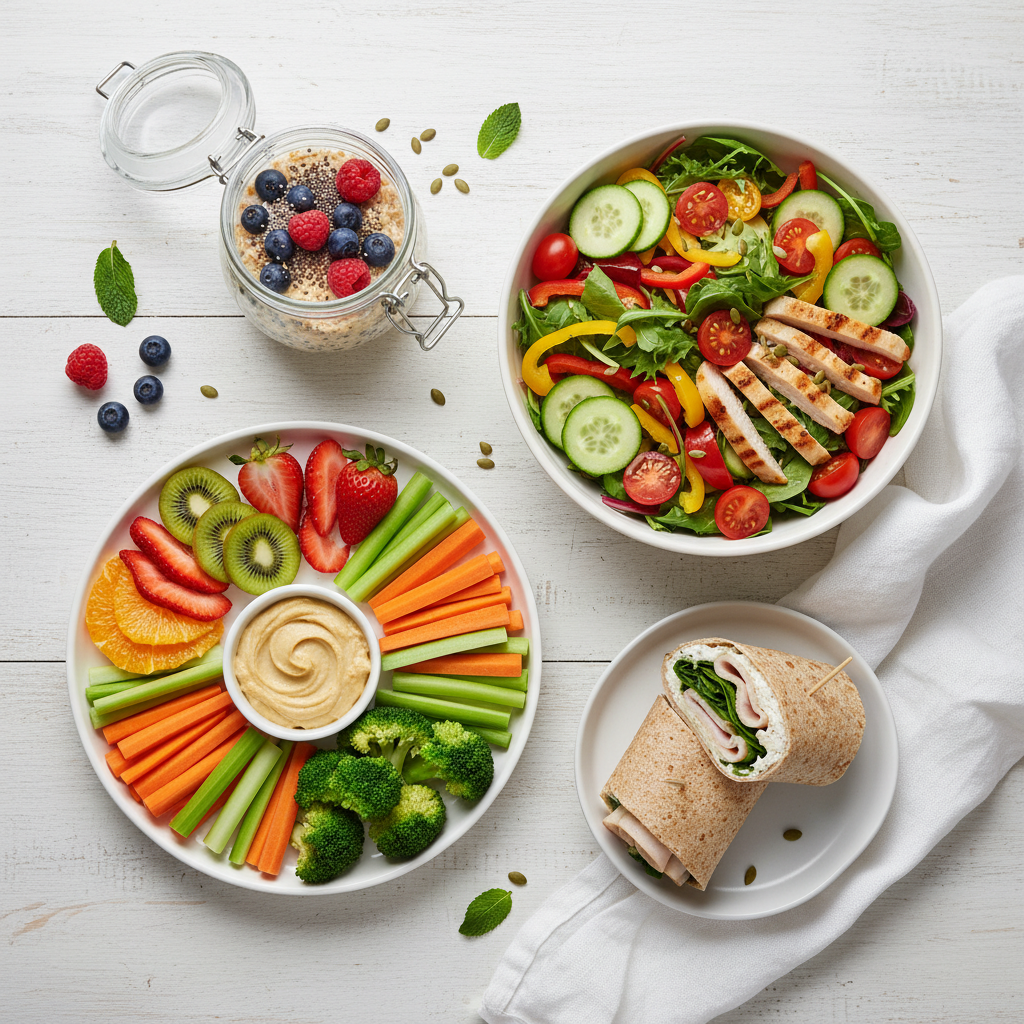
Prioritize foods in their most natural state: fruits, vegetables, whole grains, lean proteins, and healthy fats. These foods are packed with vitamins, minerals, fiber, and antioxidants, offering maximum nutrition with fewer empty calories. Minimize highly processed foods, sugary drinks, and excessive amounts of unhealthy fats, which often contribute to weight gain and provide little nutritional value.
Prioritize Protein
Protein is paramount for growing bodies. It helps build and repair tissues, supports muscle development, and, crucially for weight management, promotes satiety. Including a good source of lean protein at every meal can help teens feel fuller for longer, reducing the likelihood of overeating or reaching for unhealthy snacks. Good sources include chicken, turkey, fish, eggs, beans, lentils, Greek yogurt, and tofu.
Embrace Fiber
Fiber is another powerhouse nutrient for weight loss and digestive health. Found in fruits, vegetables, whole grains, and legumes, fiber adds bulk to meals, helping teens feel full and satisfied. It also aids in regulating blood sugar levels and promotes a healthy digestive system. Most teenagers don’t get enough fiber, so consciously adding more can make a significant difference.
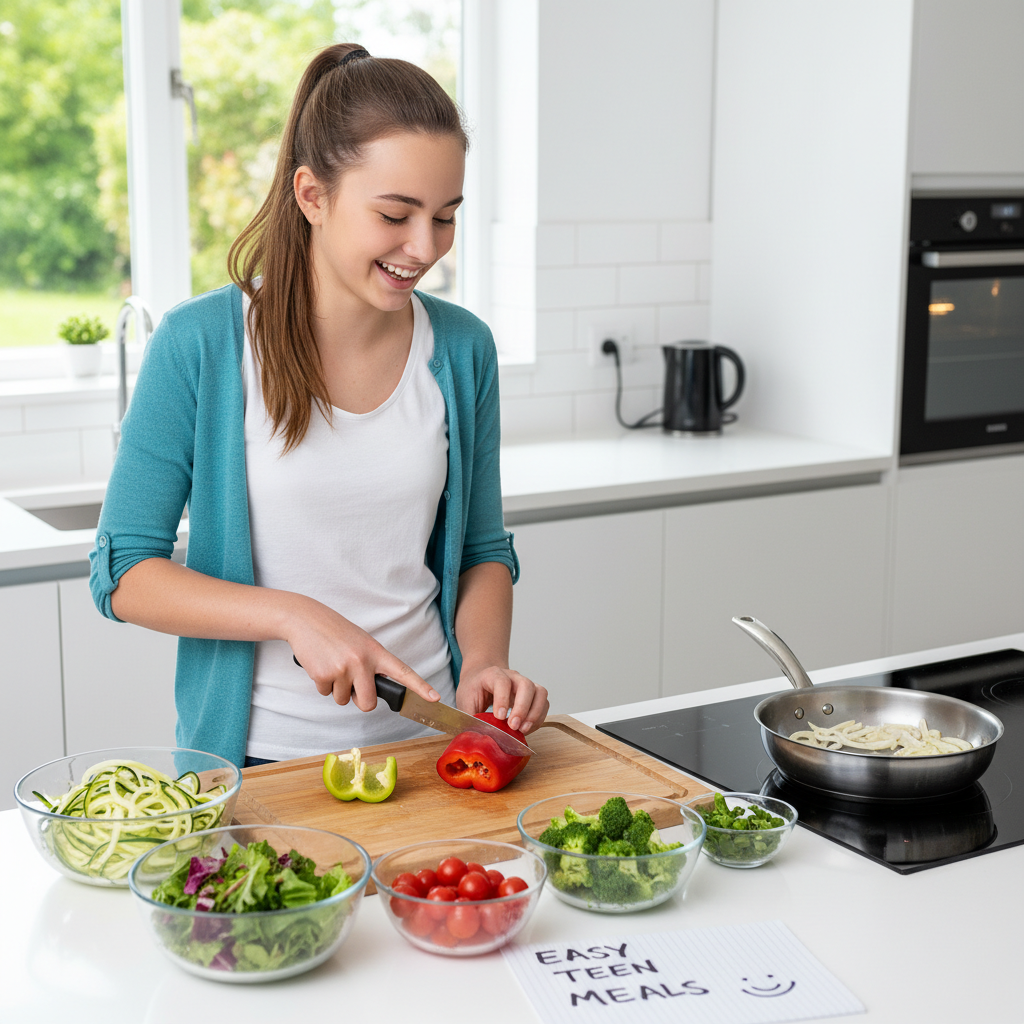
Healthy Fats are Your Friend
While often feared, healthy fats are essential for hormone production, nutrient absorption, and satiety. Avocado, nuts, seeds, olive oil, and fatty fish (like salmon) provide omega-3 fatty acids and monounsaturated fats that are crucial for brain health and can help manage hunger. The key is moderation, as fats are calorie-dense.
Hydration is Key
Water is often overlooked but plays a critical role in weight management and overall health. Encourage teens to drink plenty of water throughout the day. Sometimes, thirst can be mistaken for hunger, leading to unnecessary snacking. Keeping a water bottle handy can be a simple yet effective strategy. Limit sugary sodas, juices, and energy drinks, which contribute empty calories and can hinder weight loss efforts.
Portion Awareness
Understanding appropriate portion sizes is more effective than strict calorie counting, especially for teens. Encourage mindful eating – paying attention to hunger and fullness cues. Using smaller plates, serving appropriate portions, and allowing second helpings of vegetables rather than calorie-dense items can be helpful strategies.
Easy Breakfast Ideas for Busy Teens
Breakfast is often hailed as the most important meal of the day, and for good reason. A healthy, balanced breakfast can kickstart metabolism, provide sustained energy, and improve focus for the day ahead. Here are some easy, quick, and nutritious options:
Overnight Oats
Prepare the night before for a grab-and-go breakfast. Mix rolled oats with milk (dairy or non-dairy), chia seeds (for extra fiber and omega-3s), and a touch of maple syrup or honey. In the morning, top with fresh berries, sliced banana, or a sprinkle of nuts. This provides complex carbohydrates, fiber, and some protein.
Example Recipe: Combine ½ cup rolled oats, 1 cup milk, 1 tablespoon chia seeds, and ½ teaspoon vanilla extract in a jar. Stir well. Refrigerate overnight. In the morning, top with ¼ cup berries.
Quick Scrambled Eggs with Veggies
Eggs are a fantastic source of lean protein. Whisk 2-3 eggs with a splash of milk and scramble them with pre-chopped vegetables like spinach, bell peppers, or mushrooms. Serve with a slice of whole-wheat toast. This meal is quick, filling, and packed with nutrients.
Example Recipe: Sauté ¼ cup chopped bell peppers and spinach in a pan for 2 minutes. Add 2 whisked eggs and scramble until cooked through. Season with salt and pepper.
Greek Yogurt Parfait
Layer plain Greek yogurt (high in protein) with fresh fruit and a small amount of whole-grain granola. Greek yogurt provides excellent protein for satiety, and fruit adds natural sweetness and vitamins. Be mindful of granola portions, as it can be calorie-dense.
Example Recipe: In a glass, layer ½ cup plain Greek yogurt, ¼ cup berries, 1 tablespoon granola, and repeat. Drizzle with a tiny bit of honey if desired.
Whole-Wheat Toast with Avocado and Egg
A classic for a reason! Toast a slice of whole-wheat bread, mash half an avocado on top, and season with a pinch of salt and pepper. Top with a fried or poached egg for added protein. This offers healthy fats, fiber, and protein.
Example Recipe: Toast 1 slice of whole-wheat bread. Mash ½ avocado onto the toast. Top with 1 fried or poached egg. Season with everything bagel seasoning.
Simple & Satisfying Lunch Options
Lunches need to be practical, often portable, and satisfying enough to get teens through the afternoon without reaching for unhealthy snacks. Focus on balanced meals that combine lean protein, complex carbohydrates, and plenty of vegetables.
Lean Protein Salads
Salads don’t have to be boring. Start with a base of mixed greens, add plenty of colorful vegetables (cucumbers, tomatoes, carrots, bell peppers), and top with a generous serving of lean protein like grilled chicken, hard-boiled eggs, chickpeas, or canned tuna. Use a light vinaigrette dressing or make your own with olive oil and vinegar.
Example Recipe: Mix 2 cups mixed greens with ½ cup chopped cucumber, ¼ cup cherry tomatoes, and ¼ cup shredded carrots. Top with 4 oz grilled chicken breast, sliced. Dress with 1 tablespoon olive oil and 1 tablespoon apple cider vinegar.
Turkey/Chicken Wraps
These are super quick and customizable. Spread hummus or a thin layer of cream cheese on a whole-wheat tortilla, layer with lean deli turkey or chicken slices, plenty of lettuce, spinach, and other sliced veggies (bell peppers, shredded carrots). Roll it up tightly. This is a great alternative to sandwiches.
Example Recipe: Spread 1 tablespoon hummus on a whole-wheat tortilla. Layer with 3 oz sliced turkey breast, ¼ cup shredded lettuce, and 2 slices tomato. Roll tightly.
Leftovers Reinvented
Encourage teens to pack healthy leftovers from dinner. This is arguably the easiest lunch option. A portion of last night’s chicken and veggie stir-fry, baked salmon with roasted vegetables, or lentil soup makes for a convenient and balanced meal. For more ideas on efficient *meal planning for families*, check out our related resources.
Example: Pack a portion of last night’s roasted chicken and vegetables in a reusable container.
Lentil or Vegetable Soup
A hearty, broth-based soup packed with vegetables and legumes can be incredibly filling and low in calories. Prepare a large batch on the weekend and portion it into containers for easy grab-and-go lunches. Pair with a small piece of whole-grain bread.
Example: Heat 1 cup of homemade lentil soup. Serve with a small whole-wheat roll.
Delicious & Healthy Dinner Recipes
Dinner can be a great opportunity for families to eat together and model healthy eating behaviors. These recipes are designed to be simple enough for busy weeknights, offering balanced nutrition.
Sheet Pan Dinners
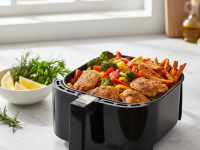
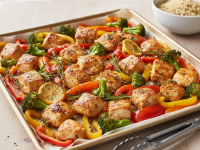
Minimal cleanup and maximum flavor! Toss chopped chicken breast or firm tofu with a variety of colorful vegetables (broccoli, bell peppers, zucchini, sweet potato) in a little olive oil and your favorite seasonings (garlic powder, paprika, herbs). Roast on a single sheet pan at 400°F (200°C) until cooked through and tender. Serve as is, or with a small side of quinoa.
Example Recipe: Toss 6 oz chopped chicken breast, 1 cup broccoli florets, 1 bell pepper (sliced), and ½ chopped red onion with 1 tablespoon olive oil, salt, pepper, and ½ teaspoon garlic powder. Spread on a baking sheet and roast for 20-25 minutes.
Lean Protein Stir-Fry
A quick and versatile option. Sauté lean protein (chicken, shrimp, or tofu) with an abundance of vegetables (carrots, snap peas, mushrooms, bok choy) in a small amount of sesame oil. Add a healthy stir-fry sauce made with low-sodium soy sauce, ginger, and garlic. Serve over a small portion of brown rice or quinoa.
Example Recipe: Sauté 4 oz sliced chicken breast in 1 teaspoon sesame oil until cooked. Add 1 cup mixed stir-fry vegetables (e.g., broccoli, carrots, bell peppers) and cook until tender-crisp. Add 2 tablespoons low-sodium stir-fry sauce. Serve with ½ cup brown rice.
Quick Pasta with Veggies and Lean Protein
Use whole-wheat pasta for extra fiber. Sauté some cherry tomatoes, spinach, and mushrooms with garlic. Add pre-cooked chicken breast or chickpeas, and toss with the cooked pasta. Finish with a light tomato sauce or a drizzle of olive oil and a sprinkle of parmesan.
Example Recipe: Cook ½ cup whole-wheat pasta. Sauté 1 cup cherry tomatoes, 1 cup spinach, and 2 cloves minced garlic in 1 teaspoon olive oil. Add 4 oz cooked chicken breast (shredded or diced) and toss with the cooked pasta. Season with salt, pepper, and a pinch of red pepper flakes.
Baked Salmon with Roasted Vegetables
Salmon is rich in omega-3 fatty acids, which are beneficial for brain health and can aid in satiety. Season a salmon fillet with lemon, dill, salt, and pepper. Roast alongside asparagus or green beans tossed in olive oil. This simple meal is elegant yet incredibly easy to prepare and nutrient-dense.
Example Recipe: Place a 4-6 oz salmon fillet on a baking sheet. Season with lemon slices, dill, salt, and pepper. Add 1 cup asparagus spears tossed with 1 teaspoon olive oil, salt, and pepper to the same sheet. Bake at 400°F (200°C) for 12-15 minutes.
Smart Snacking for Teens
Snacks can play a positive role in a teen’s diet, providing energy between meals and preventing overeating at the next meal. The key is to choose smart snacks that are nutrient-dense rather than empty calories.
Fresh Fruits and Vegetables
Nature’s fast food! Apples, bananas, oranges, berries, carrot sticks, cucumber slices, and bell pepper strips are excellent choices. Pair veggies with a healthy dip like hummus or a small amount of peanut butter with fruit for added protein and healthy fats.
Nuts and Seeds
Almonds, walnuts, cashews, pumpkin seeds, and sunflower seeds are packed with healthy fats, protein, and fiber. Portion control is essential here, as they are calorie-dense. A small handful (about ¼ cup) is an appropriate serving.
Hard-Boiled Eggs
A fantastic source of protein, hard-boiled eggs are portable and can be prepped in advance. They’re excellent for warding off hunger.
Cottage Cheese
High in protein and calcium, cottage cheese can be enjoyed plain or with fruit for a satisfying snack.
Meal Prep Hacks for Teens and Parents
One of the biggest obstacles to healthy eating for teens is time. Implementing simple meal prep strategies can make a significant difference in ensuring nutritious options are always within reach.
Batch Cooking Proteins
Cook a larger batch of lean protein (grilled chicken breasts, roasted turkey, hard-boiled eggs, or cooked lentils) at the beginning of the week. These can then be easily added to salads, wraps, or quick dinners throughout the week.
Pre-Chopped Veggies
Wash and chop vegetables for snacks, salads, and stir-fries. Store them in airtight containers in the fridge. This makes grabbing a healthy snack or throwing together a meal much faster.
Healthy Snack Packs
Create individual snack packs with appropriate portions of nuts, seeds, cut-up fruit, or veggie sticks. This eliminates guesswork and helps with portion control.
Beyond the Plate: Lifestyle Tips for Teen Weight Management
While diet is a cornerstone of healthy weight management, it’s part of a larger lifestyle picture. Encouraging these habits can amplify the positive effects of healthy eating.
Regular Physical Activity
Encourage teens to find physical activities they enjoy, whether it’s sports, dancing, hiking, cycling, or simply daily walks. Aim for at least 60 minutes of moderate to vigorous physical activity most days of the week.
Adequate Sleep
Sleep deprivation can impact hormones that regulate appetite, leading to increased hunger and cravings for unhealthy foods. Teens typically need 8-10 hours of sleep per night. Establishing a consistent sleep schedule is vital.
Stress Management
Academic pressure, social challenges, and family dynamics can cause stress, which sometimes leads to emotional eating. Help teens develop healthy coping mechanisms like exercise, hobbies, mindfulness, or talking to a trusted adult.
Mindful Eating Practices
Encourage teens to eat slowly, savor their food, and pay attention to their body’s hunger and fullness cues. Eating without distractions (like screens) can help them tune into these signals and prevent overeating.
FAQs about Easy Meals for Teen Weight Loss
How much protein do teens need for weight loss?
While specific needs vary by age, sex, and activity level, a general guideline is about 0.8 to 1 gram of protein per kilogram of body weight per day, possibly slightly higher for active teens. For weight loss, ensuring adequate protein (e.g., 20-30 grams per meal) helps maintain muscle mass and promotes satiety.
Can teens lose weight without cutting out all “junk food”?
Yes, absolutely. A sustainable approach to healthy eating involves moderation, not deprivation. Teaching teens to enjoy occasional treats in controlled portions and to balance them with nutritious choices is more effective than an outright ban, which can lead to cravings and overeating. The goal is to make healthy eating the default, not the exception.
What are common pitfalls to avoid?
- Skipping Meals: This can lead to excessive hunger and overeating later.
- Excessive Calorie Restriction: Can hinder growth and cause nutrient deficiencies.
- Relying on “Diet” Foods: Many diet products are highly processed and may not offer true nutritional benefits.
- Ignoring Thirst: Often mistaken for hunger, leading to unnecessary snacking.
- Lack of Sleep: Affects appetite-regulating hormones.
Is it okay for teens to skip meals to lose weight?
No, skipping meals is generally not recommended for teen weight loss. It can slow metabolism, lead to nutrient deficiencies, and often results in overeating or unhealthy food choices later in the day. A consistent pattern of balanced meals and snacks is more effective for sustainable weight management.
How can I encourage my teen to eat healthier?
Lead by example, involve them in meal planning and cooking, make healthy options readily available, avoid food shaming, and focus on overall health and energy rather than just weight. Create a positive food environment and offer choices within healthy boundaries.
Empowering teenagers to make healthier food choices is a gift that will serve them well throughout their lives. By focusing on whole, unprocessed foods, prioritizing protein and fiber, and incorporating practical meal prep strategies, it is entirely possible to create delicious and easy meals for teen weight loss that support their growth, energy, and overall well-being. Remember, consistency and a supportive environment are key to fostering sustainable healthy habits.