Benefits of fermented foods for skin clarity are increasingly documented by research linking gut health to clearer, calmer skin. Fermented foods deliver live microbes, bioactive metabolites, and enhanced nutrient availability that can support the gut-skin axis, reduce inflammation, and improve complexion over time.
This article explains how fermented foods work, summarizes the clinical evidence, and offers practical guidance for integrating probiotics and fermented foods safely into a skin-focused diet. The goal is to provide evidence-based, actionable advice you can use with your dermatologist or healthcare team.
How fermented foods influence skin health
The gut-skin axis describes communication between intestinal microbes, the immune system, and the skin. Fermented foods can modify this communication by introducing beneficial bacteria and fermentation byproducts such as short-chain fatty acids.
These effects can reduce systemic inflammation, strengthen gut barrier function, and modulate immune responses that often drive acne, rosacea, and eczema flares. In addition, fermentation increases the bioavailability of nutrients like B vitamins, vitamin K2, and antioxidants that support collagen production and cellular repair.
Key mechanisms
- Microbiome modulation: Fermented foods add diverse microbes that can balance gut flora and outcompete harmful bacteria.
- Anti-inflammatory metabolites: Fermentation produces compounds like short-chain fatty acids that reduce systemic inflammation.
- Improved nutrient absorption: Fermentation breaks down antinutrients and liberates vitamins and minerals beneficial for skin health.
- Immune regulation: Beneficial microbes help regulate immune signaling, potentially lowering inflammatory skin conditions.
Clinical evidence: what the studies show
Clinical studies and systematic reviews have examined both topical and oral probiotics, along with dietary fermented foods, for skin outcomes. Many trials report reductions in inflammatory acne lesions, improved skin barrier function, and symptom relief in atopic dermatitis when probiotics or fermented products are used as adjunct therapy.
While not all studies are uniform in design, the overall trend supports that integrating fermented foods or targeted probiotic supplements can be a useful part of a comprehensive skin-care strategy. Larger, longer trials are still needed to determine optimal strains, doses, and specific food choices for different skin conditions.
Best fermented foods to support skin clarity
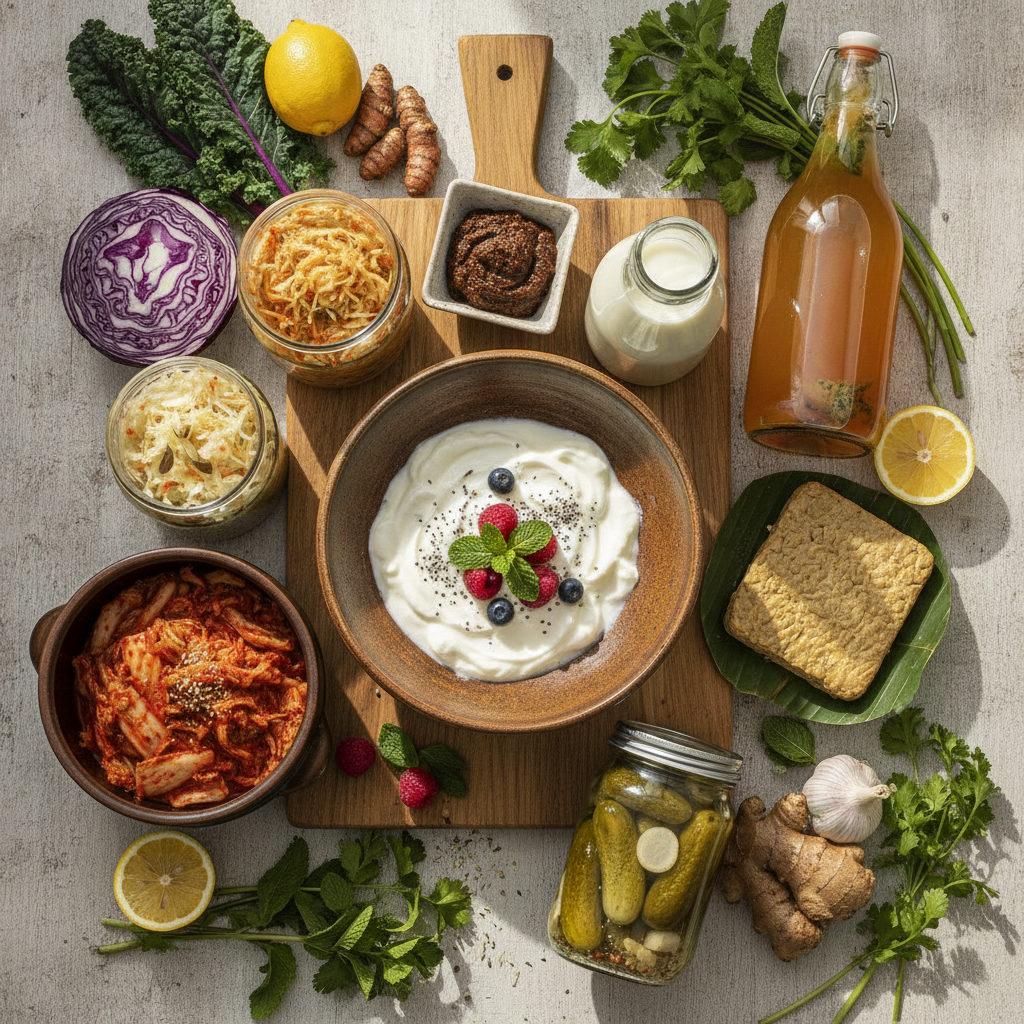
Not all fermented foods are created equal for skin benefits. Choose minimally processed options with live cultures, low added sugars, and moderate salt content. Here are evidence-friendly choices to consider:
- Kefir: A fermented milk drink rich in diverse probiotic strains and B vitamins that support skin repair.
- Yogurt (plain, live cultures): Contains Lactobacillus species linked to improved skin barrier and reduced inflammation.
- Sauerkraut: Fermented cabbage providing fiber, live microbes, and vitamin C precursor benefits.
- Kimchi: Spicy fermented vegetables with antioxidant compounds and lactic acid bacteria.
- Miso: Fermented soybean paste providing umami flavor plus beneficial microbes and vitamin K2.
- Tempeh: Fermented soy product high in protein and bioavailable nutrients supportive of skin health.
- Kombucha (low-sugar): Fermented tea containing organic acids and live cultures; choose low-sugar options to avoid glycemic-driven acne.
How to add fermented foods for clearer skin: a practical plan
Start slowly to allow your gut and body to adjust. Introduce one serving of a fermented food daily for the first week, then increase gradually to two servings if tolerated. A serving might be 1/2 to 1 cup of yogurt or kefir, 1/4–1/2 cup of sauerkraut or kimchi, or one tablespoon of miso in a soup.
Combine fermented foods with a whole-food, low-sugar diet rich in vegetables, healthy fats, and lean protein to maximize skin benefits. Hydration, sleep, and topical skin care remain important complementary strategies.
Sample daily plan
- Breakfast: Plain kefir or yogurt with berries and a sprinkle of seeds.
- Lunch: Salad topped with a small serving of sauerkraut or kimchi.
- Dinner: Miso soup or tempeh stir-fry with plenty of vegetables.
Precautions and who should be cautious
Fermented foods are safe for most people, but there are important cautions. Individuals with histamine intolerance may experience reactions to aged or fermented products and should choose low-histamine options or consult a clinician.
People with weakened immune systems, those who are critically ill, or patients on immunosuppressive therapy should consult their healthcare provider before consuming unpasteurized fermented foods due to a small risk of infection from live microbes.
Watch for added sugars in commercial kombuchas and some yogurt products, as excess sugar can worsen acne. Also monitor sodium content in fermented vegetables if you are on a salt-restricted diet.
Choosing supplements vs. foods
Probiotic supplements can deliver specific strains studied for skin conditions, which may be useful when targeted therapy is desired. When selecting supplements, look for products with documented strains, CFU counts at expiry, and third-party testing.
However, whole fermented foods provide additional nutrients and food matrix benefits that supplements lack. Ideally, combine a diverse diet of fermented foods with professional guidance on targeted probiotic supplements when necessary.
When to see a specialist
If your skin condition is moderate to severe, rapidly worsening, or not responding to dietary changes and over-the-counter treatments, schedule an appointment with a board-certified dermatologist. Work with a registered dietitian or clinician to tailor fermented-food strategies to your medical history and medications.
Track changes with photos and symptom logs, and share these with your care team to assess progress and adjust interventions safely.
Bottom line
Fermented foods can be a meaningful, evidence-informed tool to support skin clarity by modulating the gut-skin axis, reducing inflammation, and improving nutrient bioavailability. When incorporated thoughtfully—starting slowly, choosing low-sugar options, and coordinating with healthcare providers—they are a low-risk, potentially high-reward addition to a skin-focused lifestyle.
Use fermented foods as part of a broader program that includes good sleep, stress management, sun protection, and appropriate topical or medical treatments recommended by your dermatologist.