Reducing microplastics in daily life is something everyone can act on to lower personal exposure and environmental contamination. Microplastics—tiny plastic particles under 5 mm—are found in water, food, air, and household dust, and emerging research shows widespread human exposure.
Why microplastics matter
Microplastic pollution is a global problem linked to plastic breakdown, synthetic textiles, and intentionally added microbeads. Scientists and agencies including the World Health Organization note that while health risks are still being studied, the presence of microplastics in drinking water, food, and human stool is well documented.
Beyond direct exposure, microplastics carry chemical additives and can adsorb pollutants, raising concerns about inflammation and chemical transfer. Reducing sources reduces environmental impacts and limits uncertain long-term health risks.
How microplastics enter your daily life
- Household dust and indoor air from textile wear and abrasion.
- Tiny fibers released during laundry of synthetic clothes (polyester, nylon, acrylic).
- Plastic packaging, takeaway containers, and single-use bottles breaking down into fragments.
- Personal care products with exfoliating microbeads (less common now but still present in some items).
- Seafood, table salt, and tap water that may contain microscopic plastic particles.
Practical home actions to reduce microplastic exposure
Laundry and textiles
Minimize synthetic fabrics by choosing natural fibers (cotton, wool, hemp, linen) when possible. When you do wash synthetics, wash full loads on gentler cycles to reduce friction and fiber release.
Use a microfiber-catching laundry filter or a laundry bag (e.g., Guppyfriend) and consider installing a washing machine lint filter. These devices can capture a large portion of released fibers before they enter wastewater.
Kitchen and food
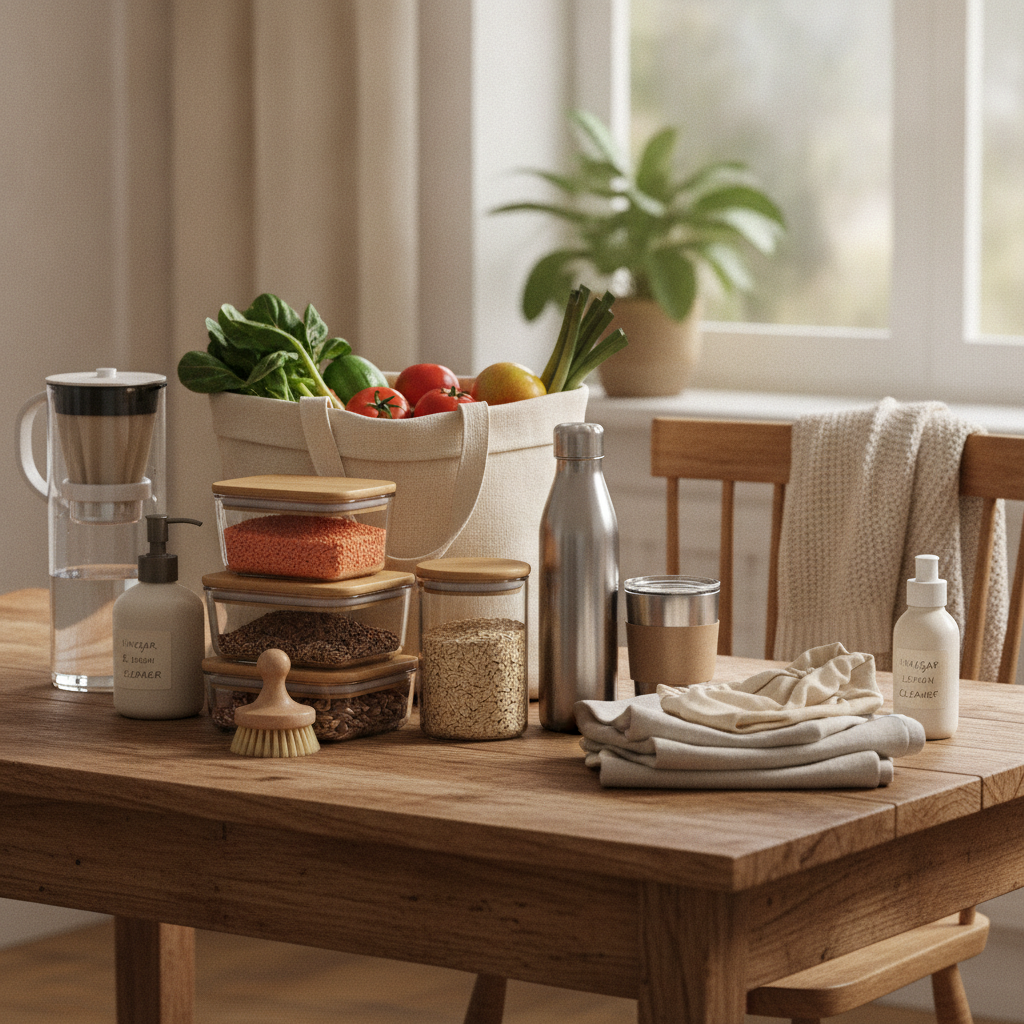
Avoid heating food in plastic containers; use glass or stainless steel for microwaving and storage to reduce plastic leaching and particulate release. Prefer loose produce or items in minimal packaging to cut single-use plastic waste.
Choose filtered water: high-quality carbon+sediment filters reduce some particles, and reverse osmosis systems remove a broad range of microplastics. Replace filters on schedule and follow manufacturer maintenance.
Personal care and cosmetics
Check ingredient lists for polyethylene, polypropylene, and other “microbead” indicators. Use natural scrubs (oatmeal, sugar, coffee grounds) and rinse-off products without synthetic exfoliants.
Air quality and dust control
Vacuum regularly with a HEPA filter and dust with a damp cloth to reduce airborne fibers. Improve ventilation and consider an air purifier with HEPA for bedrooms and high-use living spaces.
Smart consumer choices
- Refuse single-use plastics: bring your own water bottle, coffee cup, and shopping bags.
- Buy in bulk and choose refill stations for cleaning products and toiletries.
- Opt for durable goods (glass, metal, natural fabrics) rather than low-cost disposable items.
- Support brands with transparent material policies and repairable designs.
Outdoor and lifestyle tips
Avoid microplastic sources like glitter and confetti that often contain plastic. Choose playground and garden materials made from natural fibers or certified recycled content when possible.
Participate in or support local plastic cleanups and community recycling programs to reduce the plastic that fragments into the environment.
Protecting children and vulnerable groups
Babies and young children can ingest particles from floors and toys. Prioritize natural-fiber clothing, wash new synthetic garments before first wear, and clean floors frequently.
Pregnant people and those with compromised health should be particularly careful with food packaging and heating plastics, as chemical additives may pose additional concerns.
Monitoring progress and forming habits
Start with small, measurable changes: one plastic item eliminated per week or installing a single filter. Track replacements and savings to reinforce behavior change.
Share successful swaps with friends and family; household-level action scales up to community-level impact and helps create market demand for lower-plastic products.
What the research and regulators recommend
Regulatory bodies and researchers recommend source reduction, improved waste management, and better product design to limit microplastic release. International organizations encourage reducing single-use plastics and restricting intentionally added microplastics in products.
While long-term health data are still evolving, following precautionary principles—reduce exposure where easy and affordable—aligns with public health guidance and environmental protection goals.
Quick checklist: daily swaps that reduce microplastics
- Use a reusable water bottle and metal or glass food containers.
- Choose natural-fiber clothing and wash synthetics less often, with a filter or bag.
- Replace plastic microwave containers with glass.
- Install or use point-of-use water filtration with regular maintenance.
- Vacuum with HEPA and dust with damp cloths to capture fibers.
- Avoid cosmetics with plastic microbeads; pick natural exfoliants.
Conclusion
Reducing microplastics in daily life is practical and meaningful: small, consistent choices lower personal exposure and cut environmental input. Combining individual actions with community advocacy and support for effective policies creates the biggest impact.
Start with one change today—switch your water bottle, add a laundry filter, or stop using single-use plastic—and build from there. Collective effort, informed by emerging science and precautionary action, is the best path forward.