Why travel fatigue and jet lag happen
Travel fatigue and jet lag arise from different but related causes. Travel fatigue is the general tiredness, stiffness, and cognitive sluggishness that can accompany long journeys, often driven by disrupted routines, dehydration, prolonged sitting, and stress. Jet lag is a circadian rhythm disturbance that occurs when rapid travel across time zones misaligns your internal body clock with the local time.
The circadian system controls sleep-wake patterns, hormone release, body temperature, and mood. When this system is out of sync, you may experience difficulty falling or staying asleep, daytime sleepiness, impaired concentration, gastrointestinal upset, and mood changes. Severity depends on the number of time zones crossed, direction of travel, and individual factors like age and baseline sleep health.
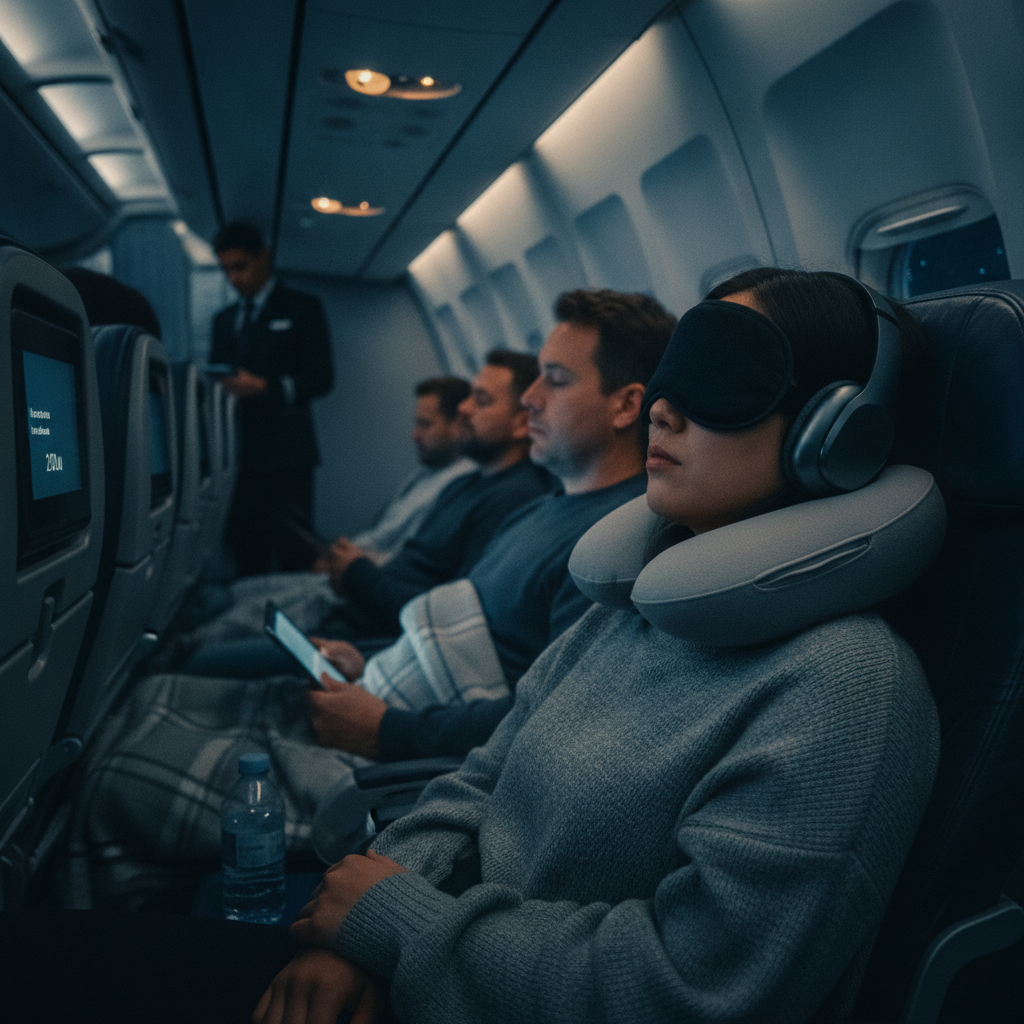
Before you travel: prepare your body clock
Small pre-trip adjustments reduce the shock to your circadian rhythm. Start shifting sleep and wake times a few days before departure in 30–60 minute increments toward your destination schedule.
- Plan a sleep schedule: Gradually move bedtime earlier for eastward travel and later for westward travel.
- Control light exposure: Morning bright light advances the clock (useful for eastward travel); evening light delays it (useful for westward travel).
- Optimize sleep quality: Improve sleep hygiene—limit screens before bed, keep the bedroom cool and dark, and avoid heavy meals late at night.
Use of melatonin and medications
Melatonin, a hormone that signals darkness to the brain, can be effective when used strategically. Low doses (about 0.5–3 mg) taken 30–60 minutes before desired bedtime at your destination can help re-entrain the circadian rhythm. Consult a healthcare provider before use, especially if you take other medications or have chronic health conditions.
Prescription sleep aids may be appropriate in some cases for short-term use, but they do not correct circadian misalignment and carry side effects. Discuss risks and benefits with a clinician prior to travel.
In-flight strategies to reduce travel fatigue
How you manage the flight itself influences recovery after arrival. Combining movement, hydration, and targeted sleep can reduce travel-related symptoms.
- Hydration: Drink water regularly and minimize alcohol and caffeine, which worsen dehydration and sleep disturbance.
- Move frequently: Stand, stretch, and walk the aisle every 60–90 minutes to reduce stiffness and lower deep-vein thrombosis risk.
- Time naps wisely: Short naps (20–30 minutes) can reduce sleepiness without deep sleep inertia; avoid long naps that impede adapting to the destination night.
Light exposure on the plane
Use light strategically during the flight. If daylight at your destination aligns with wake time, try to get bright light exposure onboard through window seats or cabin lighting. Conversely, use eye masks and reduce light exposure to simulate nighttime when you need to sleep.
On arrival: adapt quickly to local time
The fastest way to overcome jet lag is to adopt local time immediately—eat meals, sleep, and plan activities according to your destination. Avoid the temptation to nap for long periods if it will interfere with nighttime sleep.
- Sunlight exposure: Natural light is the strongest circadian cue. Spend morning light hours outside if you need to advance your clock; seek late-afternoon light to delay it.
- Meal timing: Eat meals at local meal times. Timing food intake helps synchronize peripheral clocks in the digestive system.
- Exercise: Moderate daytime exercise can improve sleep onset and mood but avoid vigorous workouts close to bedtime.
Practical sleep hygiene at your destination
Create a restful environment: use blackout curtains, white noise, and keep electronic devices away from the bedside. Limit caffeine after mid-afternoon and avoid heavy alcohol at night, which fragments sleep.
Special considerations
Certain groups need tailored advice. Older adults, people with chronic medical conditions, shift workers, and those on multiple medications may experience worse symptoms and should plan additional recovery time or consult a clinician before travel.
- Business travelers: Schedule light meetings or low-stakes activities for the first 24–48 hours after arrival.
- Families with children: Gradually shift children’s schedules and use short naps; keep routines familiar to reduce stress.
- Long-haul flyers: Consider breaking trips with stopovers to reduce severe circadian disruption when practical.
When to seek medical advice
Most travel fatigue and jet lag resolve within a few days to a week as the circadian system readjusts. Seek medical attention if symptoms are severe, persist beyond two weeks, include significant mood changes, or if you experience alarming physical symptoms like chest pain or shortness of breath. A healthcare professional can evaluate for underlying sleep disorders, medication interactions, or other medical issues.
Evidence-based tips summary
Combine several strategies for best results: pre-adjust sleep timing, use timed light exposure, manage in-flight sleep and hydration, adopt local time quickly, and consider short-term melatonin under medical guidance. Evidence from chronobiology and sleep medicine supports light therapy and timed melatonin as effective tools for shifting circadian timing.
Practical habits—consistent sleep hygiene, strategic naps, hydration, and planning lighter activities on arrival—reduce the functional impact of both travel fatigue and jet lag and help you recover faster.
Resources and final thoughts
Reliable sources for further information include national health services and sleep foundations, which provide practical jet lag and travel health guidance. Tailoring strategies to your itinerary, health status, and priorities will produce the best outcomes.
With thoughtful preparation and evidence-based tactics, most travelers can shorten symptom duration, preserve cognitive function, and enjoy a smoother transition to their destination’s time zone.