Endometriosis diet for pain management can reduce pelvic pain and inflammation for many people living with endometriosis. An evidence-based endometriosis diet for pain management focuses on anti-inflammatory foods, improved gut health, and nutritional strategies that support hormonal balance alongside medical care.
Why diet matters in endometriosis
Endometriosis is a chronic inflammatory condition where tissue similar to the uterine lining grows outside the uterus. Pain, fatigue, and digestive symptoms are common and often linked to systemic inflammation and hormone imbalance.
While diet cannot cure endometriosis, nutritional choices can influence inflammation, estrogen metabolism, and the gut microbiome—all factors that affect symptom severity. Small dietary changes can therefore become a meaningful part of a multimodal pain-management plan.
How dietary changes help reduce pain
Nutrition affects pain through several biological pathways. Anti-inflammatory foods lower cytokine activity and oxidative stress, which can reduce nociception (pain signaling).
Dietary fiber and specific nutrients support estrogen metabolism in the liver and gut, helping the body eliminate excess estrogen that can exacerbate lesion growth. Improving gut health also reduces bloating and visceral sensitivity, common sources of discomfort.
Foods to prioritize
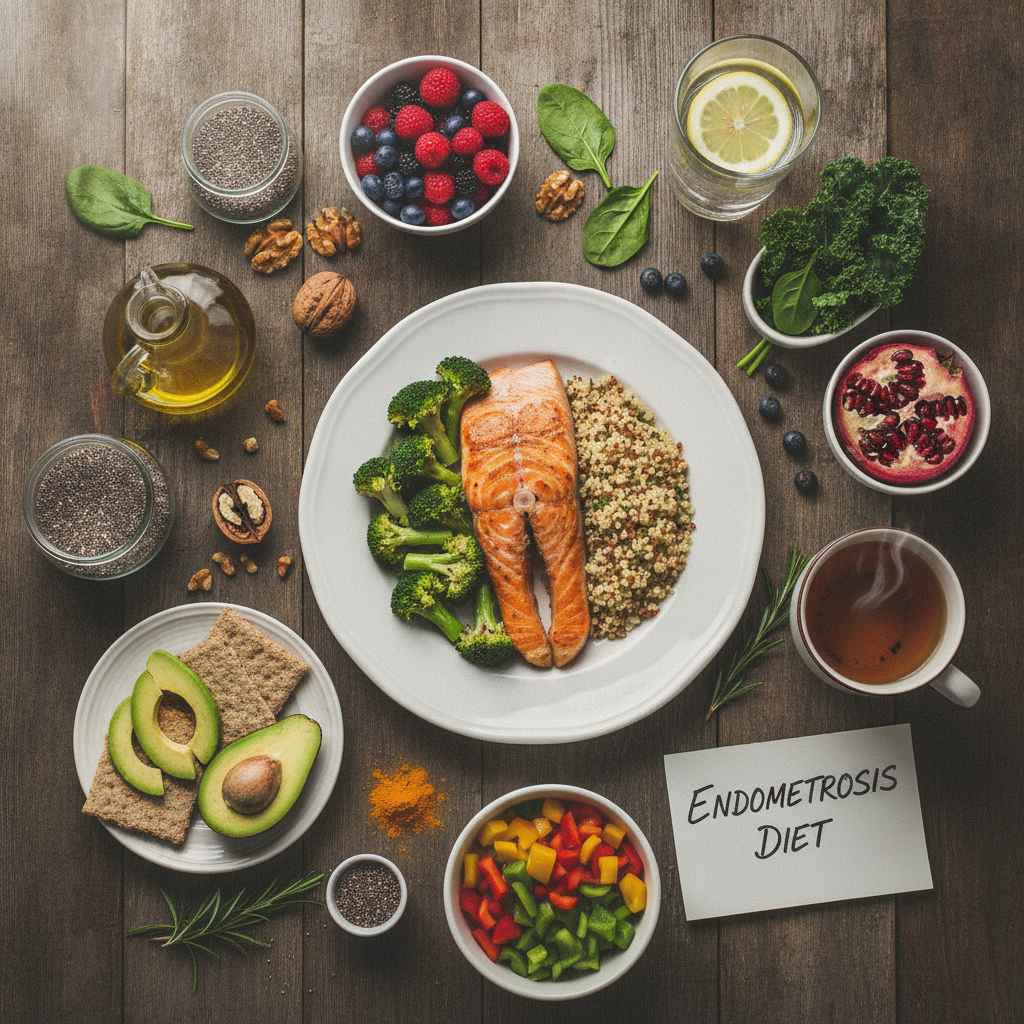
- Fatty fish and omega-3s: Salmon, sardines, mackerel, and flaxseed are rich in EPA and DHA, which have anti-inflammatory effects and may reduce pelvic pain.
- Colorful vegetables and fruits: Berries, leafy greens, cruciferous vegetables (broccoli, cauliflower), and bell peppers provide antioxidants and fiber to reduce inflammation and support detoxification.
- High-fiber whole grains and legumes: Oats, quinoa, lentils, and beans help bind excess estrogen and feed beneficial gut bacteria.
- Healthy fats: Extra-virgin olive oil, avocado, and nuts contain monounsaturated fats and polyphenols that lower inflammation.
- Soy foods in moderation: Fermented soy (tempeh, miso) contains phytoestrogens that may help balance estrogen activity for some people; individual responses vary.
- Anti-inflammatory spices: Turmeric (curcumin), ginger, and garlic can reduce inflammatory markers when used regularly in cooking.
Foods and habits to limit or avoid
- Red and processed meats: Higher intake has been associated with increased risk and symptom severity in some observational studies.
- Trans fats and high saturated fat foods: Found in many fried and processed items; these fats promote inflammation.
- Excess alcohol: Can disrupt estrogen metabolism and increase inflammatory responses.
- Highly processed, refined carbohydrates: Sugary snacks and beverages can worsen systemic inflammation and energy crashes.
- Individual triggers: Some people report symptom relief by reducing gluten or following a low-FODMAP approach to manage bloating — discuss testing and trial elimination with a clinician before long-term restriction.
Evidence and practical considerations
Clinical studies on diet and endometriosis remain limited and often observational, but consistent patterns point toward benefits from anti-inflammatory, high-fiber, whole-food approaches. Randomized trials are few, so personalization and monitoring matter.
Work with a registered dietitian or clinician experienced in endometriosis to tailor an eating plan, especially if you consider restrictive diets (gluten-free, low-FODMAP) or supplements. Nutritional changes are most effective when combined with appropriate medical or surgical management.
Supplements to discuss with your clinician
- Omega-3 fatty acids (fish oil): May reduce inflammatory mediators and pelvic pain in some people.
- Vitamin D: Many people are deficient; correcting deficiency supports immune regulation and may affect pain perception.
- Magnesium: Can help muscle relaxation and reduce cramping when used appropriately.
- Curcumin (turmeric extract): Demonstrates anti-inflammatory effects in laboratory and some clinical studies; bioavailability-enhanced formulations are preferable.
- Probiotics: Targeting gut health can help with digestion and may influence estrogen cycling; strain-specific effects vary.
Sample 1-day meal plan
This example emphasizes anti-inflammatory foods, fiber, and balanced protein. Adjust portions to your energy needs and medical advice.
- Breakfast: Oat porridge with ground flaxseed, blueberries, chopped walnuts, and a sprinkle of cinnamon.
- Mid-morning snack: Plain Greek yogurt or plant-based yogurt with a handful of mixed berries.
- Lunch: Leafy green salad with quinoa, roasted salmon, avocado, roasted beets, and olive oil–lemon dressing.
- Afternoon snack: Sliced apple with almond butter or carrot sticks with hummus.
- Dinner: Turmeric-laced lentil and vegetable stew with steamed broccoli and a side of brown rice or cauliflower rice.
- Evening: Herbal tea (ginger or chamomile) to support digestion and relaxation.
Lifestyle strategies that complement diet
Diet works best when combined with lifestyle measures that reduce stress and improve overall health. Regular moderate exercise (walking, yoga, swimming) improves circulation, reduces pain thresholds, and supports mood.
Sleep quality and stress reduction—through mindfulness, breathing exercises, or cognitive-behavioral techniques—can decrease pain sensitivity. Pelvic-floor physical therapy can address musculoskeletal contributors to pelvic pain and is often underused.
How to start and track improvements
Begin with small, sustainable changes: add two extra servings of vegetables a day, swap processed snacks for whole-food alternatives, or replace one red-meat meal per week with fatty fish or legumes. Small wins build long-term habits.
Keep a symptom and food diary for 6–8 weeks to detect patterns. Note pain levels, menstrual symptoms, bowel changes, sleep, and mood. Share this with your healthcare team to refine your plan.
When to seek medical care
If pain is persistent, worsening, or affects daily functioning despite dietary changes, consult your gynecologist or pain specialist. Diet is part of a comprehensive strategy that may include medication, hormonal therapy, nerve blocks, or surgery.
Discuss any new supplement or restrictive diet with your clinician, especially if you have fertility goals, nutritional deficiencies, or other chronic conditions.
Takeaway
An endometriosis diet for pain management centers on anti-inflammatory whole foods, fiber for healthy estrogen metabolism, and attention to gut health. While evidence is evolving, many people experience symptom relief when diet is integrated with medical care and lifestyle adjustments.
Work with qualified clinicians and a registered dietitian to create a personalized, sustainable plan. Small, consistent dietary changes can reduce pain and improve quality of life over time.