Introduction
Hip flexor releases for lower back stiffness can provide fast, noticeable relief when tight hips are pulling on the lumbar spine. If you spend long hours sitting or feel a constant ache in the low back, targeted hip flexor release and mobility work may be the missing piece in your routine.
Why tight hip flexors cause lower back stiffness
The primary hip flexors, including the iliopsoas (psoas major and iliacus) and rectus femoris, attach near the front of the pelvis and lumbar spine. When these muscles are tight, they can tilt the pelvis forward (anterior pelvic tilt), increasing lumbar lordosis and loading the lower back.
This mechanical relationship often produces stiffness, aching, and reduced range of motion in the low back. Addressing hip flexor tightness therefore targets a common underlying contributor to chronic lower back discomfort.
Evidence and professional perspective
Clinical and rehabilitation professionals commonly recommend hip mobility and soft-tissue work for nonspecific low back pain linked to movement dysfunction. While individual results vary, combining release techniques with strengthening and posture correction tends to yield better outcomes than stretching alone.
As a guideline, integrate release work into a balanced program of mobility, core stability, and ergonomic adjustments for lasting improvement in symptoms and function.
Safe self-release techniques to try at home
Below are practical, evidence-informed hip flexor release techniques you can perform with minimal equipment. Start gently and progress based on comfort and symptom response.
1. Foam roller anterior hip release
- Lie face down with a foam roller under the front of one hip (just below the hip bone).
- Support yourself on forearms and slowly roll from the front of the hip toward the upper thigh for 30–60 seconds, pausing on tight spots.
- Repeat 2–3 times on each side. Breathe deeply and avoid sharp pain.
2. Lacrosse ball psoas trigger-point release
- Lie on your stomach and place a lacrosse ball just medial to the front of the hip bone, near where you feel a deep ache.
- Start with 20–30 seconds of gentle pressure, then gradually increase to 60 seconds if tolerated.
- Avoid direct pressure on bony areas. If you have abdominal surgery or pregnancy, skip this technique and consult a clinician.
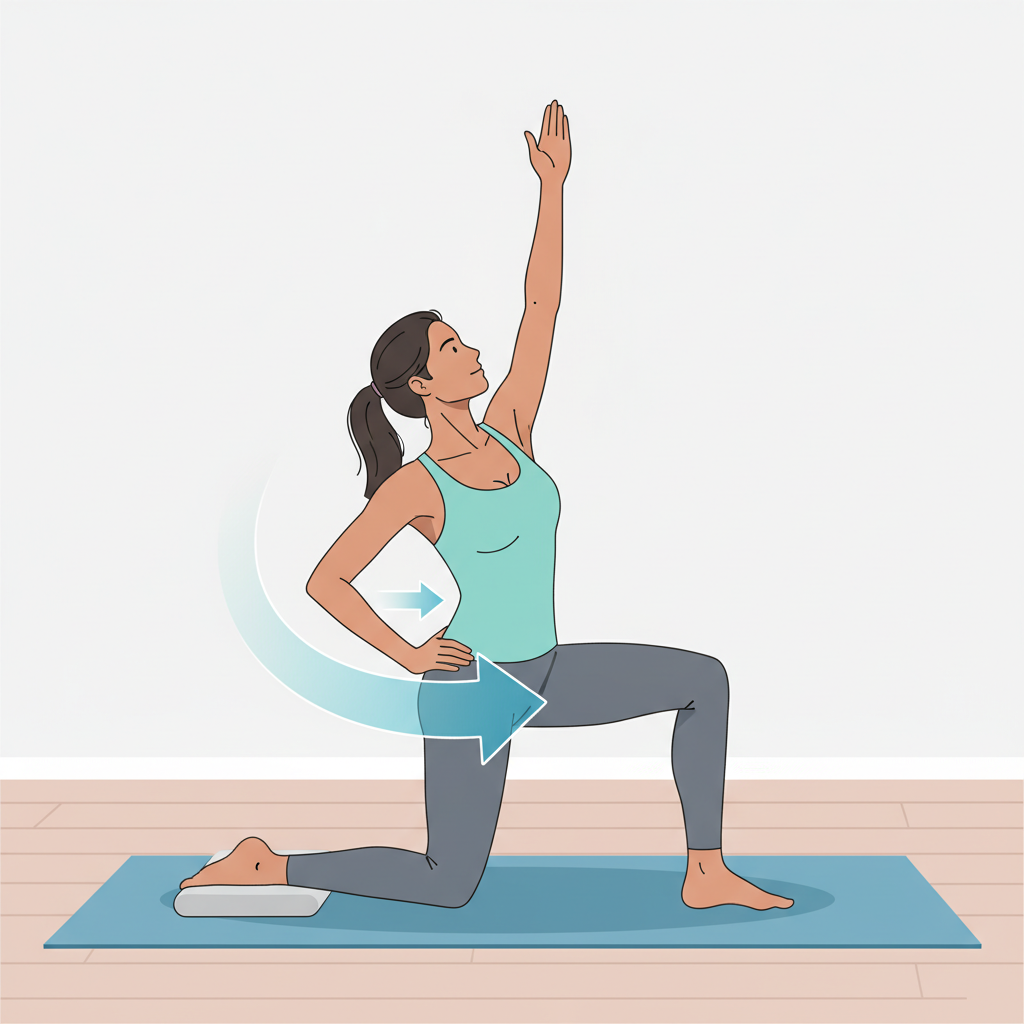
3. Kneeling hip flexor stretch with posterior pelvic tilt
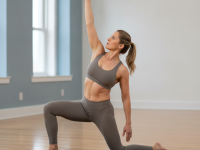
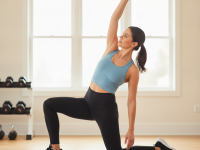
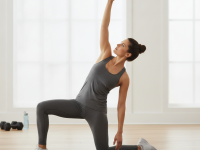
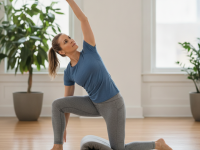
- Kneel with one knee down and the other foot forward in a lunge position.
- Gently tuck your tailbone under (posterior pelvic tilt) and push the hips forward until you feel a comfortable stretch in the front of the hip.
- Hold 30–45 seconds and repeat 2–3 times per side. Maintain an upright torso and avoid overarching the low back.
4. Active release / dynamic hip flexor mobilization
- Stand tall and perform a small marching motion, lifting the knee up while engaging the lower abdominal muscles and glutes to avoid compensatory lumbar movement.
- Perform 10–15 controlled repetitions per side to promote neuromuscular retraining.
- This strengthens functional control while lengthening the hip flexor unit.
Integrating release into a balanced routine
Release work is most effective when paired with strengthening and posture strategies. Tight hip flexors often coexist with weak glutes and poor core control. Strengthening these areas restores pelvic balance and reduces recurrence.
Include glute bridges, bird dogs, and pelvic tilts in your routine. Aim for 2–4 sessions per week combining release (5–10 minutes), stretching (2–3 holds per side), and strengthening (2–3 sets of 8–12 reps).
When to modify or stop
Stop any technique that produces sharp, radiating pain, numbness, or weakness into the leg. Mild soreness or temporary increased awareness of the area is common, but severe or worsening symptoms require professional evaluation.
If you have a history of hip replacement, recent abdominal surgery, pregnancy, or known spinal pathology, consult a physician or physical therapist before performing deep pressure techniques.
Progressions and advanced options
As symptoms improve, progress by adding loaded movements and more dynamic hip mobility drills. Examples include weighted Romanian deadlifts, step-ups, and controlled lunges that train hip extension and glute strength.
Manual therapy from a licensed clinician—such as a physical therapist or osteopathic physician—can offer targeted psoas release, soft-tissue work, and an individualized rehab plan when self-care plateaus.
Practical tips for lasting results
- Break up prolonged sitting every 30–60 minutes with a brief mobility break.
- Focus on posture and workstation ergonomics to reduce hip flexor shortening from slumped positions.
- Prioritize consistent practice: short daily sessions beat infrequent, intense sessions.
- Pair mobility work with sleep, hydration, and stress management, as whole-body factors influence muscle tension.
When to see a healthcare professional
Seek evaluation if you experience persistent or worsening low back pain despite home care, symptoms that radiate below the knee, significant weakness, or changes in bowel or bladder function. These signs warrant urgent medical attention.
For chronic or recurrent problems, a physical therapist can assess movement patterns, perform specific manual techniques, and prescribe a progressive rehabilitation plan tailored to your goals.
Conclusion
Hip flexor releases for lower back stiffness are a practical, evidence-informed component of a broader rehabilitation strategy. When combined with strengthening, postural correction, and lifestyle changes, release techniques often reduce stiffness and improve daily function.
Start gently, monitor your response, and consult a qualified clinician when in doubt. With consistent, balanced care you can reduce low back stiffness and restore comfortable movement.