Across endurance and power sports, athletes are integrating structured breathing strategies with training to improve oxygen delivery, regulate fatigue, and hasten recovery. This article explains how breathing shapes performance and provides practical, safe methods you can adopt today.
What is breathwork for athletic performance enhancement?
Breathwork refers to conscious techniques that alter breathing patterns to influence physiology. Central to this practice are diaphragmatic (belly) breathing, nasal breathing, and controlled breath tempos. When athletes master these patterns, they can improve ventilatory efficiency, optimize CO2 tolerance, and balance autonomic nervous system activity to support both exertion and recovery.

Applied correctly, breathwork becomes a regular training tool rather than a peripheral skill. It supports endurance by stabilizing oxygen delivery and reducing the perceived effort, and it can enhance power output by improving core stability and inspiratory muscle strength.
How breathing affects athletic performance
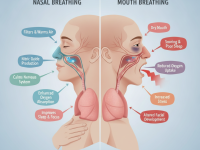
Breathing is tightly linked to aerobic performance and fatigue resistance. Diaphragmatic breathing increases tidal volume with less upper-chest effort, improving ventilation efficiency during sustained activity. Nasal breathing can help regulate heart rate and sympathetic activation, particularly in the later stages of a race or workout, by promoting a steadier breathing pattern.
Respiratory muscle strength, including the diaphragm and accessory muscles, plays a role in endurance. Inspiratory muscle training (IMT) can reduce diaphragmatic fatigue and improve VO2 max indirectly by supporting sustained breathing under stress. Moreover, CO2 tolerance—how well the body can withstand elevated CO2 during strenuous effort—affects breathing rate, fatigue, and performance pacing. Progressive exposure to breath-hold challenges and controlled hypoventilation, when done safely, can expand this tolerance and improve performance in high-intensity efforts.
Breath control also influences autonomic balance. Slow, rhythmic breathing tends to enhance parasympathetic activity between bouts of exertion, aiding recovery and heart rate variability (HRV). In contrast, practiced breathholding and intentional breath cadence can optimize the speed at which athletes return to baseline after intense efforts.
Evidence-based strategies for athletes
Diaphragmatic and nasal breathing for efficiency
Training the diaphragm to contract more effectively increases tidal volume and reduces unnecessary chest wall movement. Combine diaphragmatic breathing with nasal airflow to promote smoother, cooler, and humidity-controlled respiration—beneficial in long-duration events and during intermittent sprint efforts. A simple practice is to lie on your back, place a hand on the abdomen, and breathe so the abdomen rises more than the chest.
Breath-hold training and CO2 tolerance
Progressive breath-hold work (under supervision and with safety precautions) can enhance CO2 tolerance, delaying the urge to breathe and enabling better pacing during time trials or high-intensity intervals. Start with short, controlled holds after exhalation and gradually increase duration as comfort allows. Always avoid hyperventilation and dizziness; stop if you feel faint, lightheaded, or disoriented.
Inspiratory muscle training (IMT)
IMT uses resistive breathing devices to strengthen the inspiratory muscles, reducing fatigue and potentially lifting endurance performance. Typical programs prescribe 30 breaths per session, 2–4 sets, with resistance adjusted to a level that makes the last few breaths challenging but maintainable. Consult a clinician or trained coach before starting IMT, especially if you have respiratory conditions.
Breath cadence and pacing
Breath cadence strategies—such as box breathing (4 seconds inhale, 4 seconds hold, 4 seconds exhale, 4 seconds hold)—help stabilize rhythm in high-pressure moments and during endurance efforts. A 2:1 inhale-to-exhale ratio is another common tactic to optimize oxygen delivery during submaximal work. Use metronomes or pacing apps during training to establish consistent rhythms that transfer to competition.
Recovery breathing and post-exercise normalization
After a hard set or race segment, intentional slow breathing with long exhale can accelerate parasympathetic reactivation, reduce heart rate quickly, and improve recovery quality. Practice a 4–6 breathes-per-minute approach during cool-downs and passive recovery periods.
Sport-specific considerations
Endurance athletes may emphasize nasal breathing and longer exhalations to promote steady pace and heat management, while strength and sprint athletes focus on diaphragmatic control and IMT to sustain brief, explosive efforts. Practitioners should tailor programs to the athlete’s training phase, event duration, and individual breathing profile.
Putting it into a practice plan
Consistency matters more than intensity when starting breathwork. Begin with a short daily routine and gradually increase complexity and volume. For safety, avoid intense breath-holding during hot or unfamiliar environments, and consult a qualified professional if you have cardiovascular or respiratory conditions.
Sample 6-week introductory program
- Weeks 1–2: Diaphragmatic and nasal breathing basics
- Daily 5-minute sessions focusing on abdominal expansion and nasal airflow
- Two 3–5 minute sessions per week of slow breathing at 4–6 breaths per minute
- Weeks 3–4: Add cadence and light IMT
- Box breathing during cooldowns: 4×4 cycles for 3–5 minutes
- IMT: 30 breaths per session, 2 sets, light resistance, 3 days/week
- Weeks 5–6: Introduce breath-hold and sport-specific drills
- Short breath holds after exhalation, progressing from 6–8 seconds to 12–15 seconds
- Endurance intervals with nasal breathing where feasible, alternating with diaphragmatic breathing as fatigue allows
Tips for implementation:
- Practice in a cool, calm environment before training to establish a baseline technique
- Incorporate breathwork into warm-ups, cooldowns, and post-exercise recovery
- Monitor how breathing changes with different intensities and adjust the tempo accordingly
Safety and common pitfalls
Breathwork is generally safe when performed gradually and with attention to body signals. Avoid hyperventilation, dizziness, or chest tightness. If you have asthma, COPD, hypertension, or another medical condition, consult a healthcare professional before starting IMT or breath-hold training. Pregnant athletes should avoid hypoxic or intense breath-hold protocols unless cleared by a clinician.
Common pitfalls include overemphasis on mouth breathing in high-intensity sessions, which can worsen fatigue and reduce cooling efficiency. Also, attempting aggressive breath-holds during competition without progressive training can increase risk of lightheadedness and reduced performance. Always prioritize technique and safety over volume or intensity.
Key takeaways
- Breathwork for athletic performance enhancement is a practical, evidence-informed approach to improve endurance, power, and recovery.
- Diaphragmatic and nasal breathing improve ventilatory efficiency; IMT strengthens inspiratory muscles; and CO2 tolerance training can refine pacing under stress.
- Structured breath cadences, such as box breathing and controlled exhalations, support autonomic balance and performance stability.
- Integrate breathwork into routine training gradually, monitor response, and prioritize safety and individual needs.
– Diaphragmatic/Nasal Breathing: improve efficiency
– CO2 Tolerance & Breath-Hold: progressive training
– Inspiratory Muscle Training: stronger breaths
– Cadence & Pacing: box breathing and 4–6–8 rhythms
– Recovery Breathing: post-exercise normalization
– Sport-Specific Tips: endurance vs power
Use a color palette of blue, teal, and gray; arrows connect sections to show progression; include small data badges like VO2 max, HRV, and training load icons. Ensure readability on mobile with clear typography and icons.