Understanding leaky gut and the role of nutrition
Leaky gut, or increased intestinal permeability, occurs when the lining of the gut becomes more porous. This can allow larger molecules to cross into the bloodstream, potentially triggering inflammation and immune responses. Nutrition plays a central role in modulating the gut barrier by supplying amino acids for mucosal repair, supporting a diverse microbiome, and reducing systemic inflammatory signals. An evidence-informed plan considers individual tolerance, medical history, and the presence of coexisting conditions such as irritable bowel syndrome, autoimmune concerns, or food sensitivities.
Principles of an evidence-informed nutrition plan
- Prioritize whole, minimally processed foods to limit inflammatory triggers.
- Support a diverse and resilient microbiome with fiber from vegetables, fruits, and whole grains where tolerated.
- Incorporate gut-supportive nutrients such as glutamine, zinc, omega-3s, and polyphenols in a balanced way.
- Implement gradual dietary changes to improve tolerance and monitor symptoms.
- Balance long-term sustainability with targeted short-term adjustments to address specific symptoms.
Dietary foundations for gut healing
Gentle, nutrient-dense foods
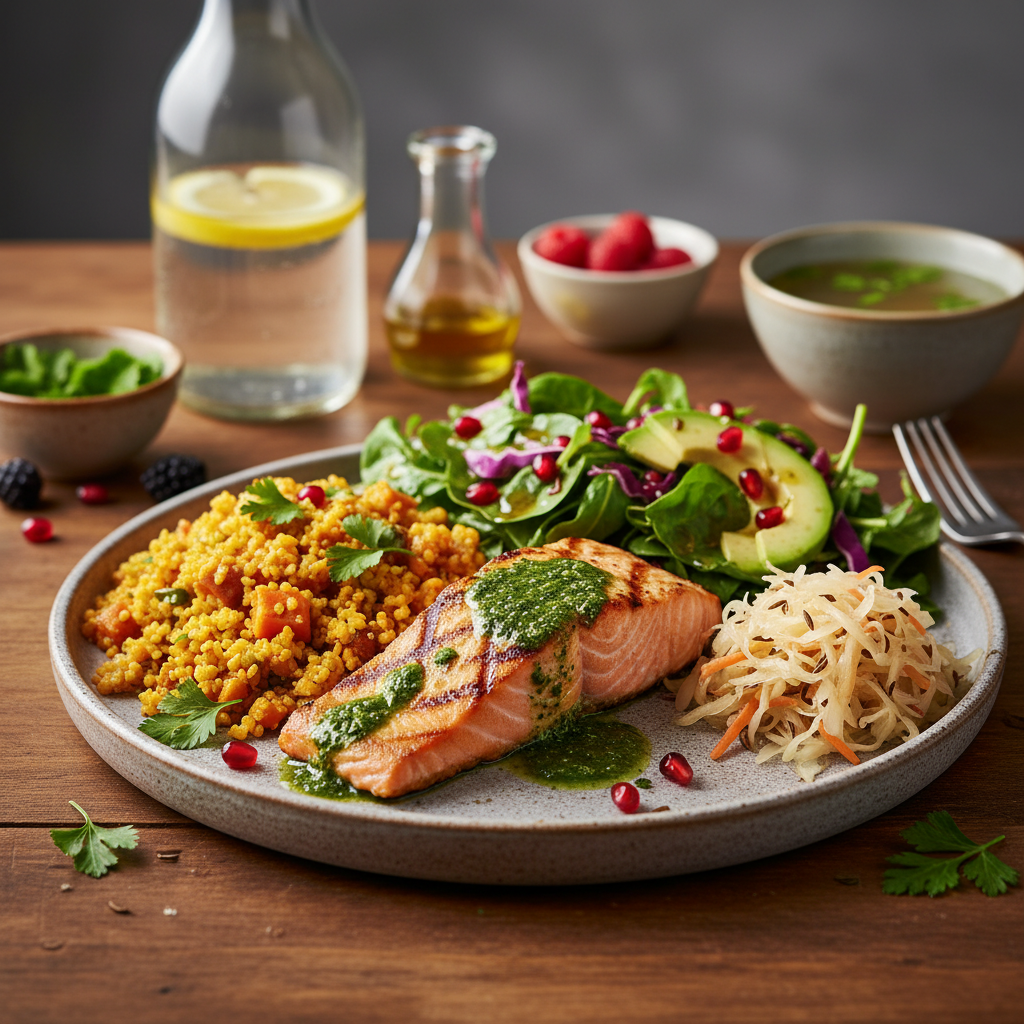
Choose nutrient-dense foods that are easy to digest and rich in vitamins, minerals, and amino acids. Emphasize lean proteins, healthy fats, and a variety of colorful vegetables. For many individuals, this supports mucosal health and steady energy while minimizing gut irritation.
Protein quality and distribution
Protein supplies the building blocks for mucosal repair. Include high-quality sources such as fish, poultry, eggs, and legumes if tolerated. Spreading protein intake across meals may support ongoing tissue repair and amino acid availability without overloading the digestive system.
Healthy fats and anti-inflammatory compounds
Omega-3 fatty acids from fatty fish, flaxseed, and walnuts help modulate inflammation. Olive oil and avocado provide monounsaturated fats that support overall gut health. A balanced fat intake supports cell membrane integrity in the gut lining and improves absorption of fat-soluble nutrients.
Fiber and carbohydrate strategy
Fiber feeds beneficial microbes and supports stool regularity, but tolerance varies. Start with soluble, low-FODMAP, or low-residue options if sensitive, and gradually increase variety and quantity as symptoms allow. Include resistant starch sources (such as cooked and cooled potatoes or green bananas) if they are well tolerated, as they can nourish butyrate-producing bacteria that support colon health.
Key nutrients and foods to support the gut barrier
- Glutamine-rich foods: Glutamine is a key fuel for enterocytes (gut lining cells). Sources include poultry, fish, eggs, dairy, and legumes, with broth-based soups also offering a convenient concentration of amino acids when prepared from bones.
- Zinc: Essential for mucosal integrity and repair. Animal foods like beef, poultry, shellfish, and fortified cereals, along with zinc-rich seeds such as pumpkin seeds, can help maintain barrier function.
- Omega-3 fatty acids: EPA and DHA support anti-inflammatory pathways. Include fatty fish (salmon, mackerel), chia seeds, flaxseeds, and walnuts.
- Polyphenols: Plant compounds that support gut health and microbial diversity. Berries, green tea, olive oil, and colorful vegetables are good sources.
- Vitamin D and vitamin A: These vitamins support immune regulation and mucosal health. Sun exposure or supplementation (under medical guidance) and dietary sources like fatty fish and fortified foods can contribute to status.
- Probiotic-rich foods: Fermented foods such as yogurt, kefir, sauerkraut, kimchi, and miso can help diversify the gut microbiota. If dairy is a concern, explore lactose-free or plant-based options with live cultures.
- Gut-friendly minerals and enzymes: Digestive enzymes may help some individuals with digestion, while electrolytes and adequate hydration support overall gut function.
Foods and strategies to be mindful of
While nutrition has a meaningful impact, some foods may aggravate permeability for certain individuals. Common triggers include ultra-processed foods, added sugars, excessive alcohol, and highly processed, high-sodium items. For people with suspected food sensitivities or autoimmune concerns, an elimination or reintroduction approach—guided by a clinician or registered dietitian—can help identify personal triggers. A flexible, personalized plan often yields the best adherence and outcomes.
Supplements and when they may help
Supplements can support gut healing when used under professional supervision. Evidence supports cautious use of certain nutrients in specific contexts:
- Probiotics: Strains such as Lactobacillus and Bifidobacterium may aid microbiome diversity and barrier function, particularly after antibiotic exposure or during inflammatory gut conditions. Start with a low dose and monitor tolerance.
- L-glutamine: Sometimes used to support mucosal repair, particularly in clinical settings. Consult a clinician to determine appropriateness and dosing.
- Zinc carnosine or zinc acetate: May support mucosal integrity in some individuals with gut inflammation.
- Vitamin D: If status is low, supplementation may help regulate immune responses and barrier function, under clinician guidance.
- Omega-3 supplements: Fish oil or algae-based options can provide anti-inflammatory benefits when dietary intake is insufficient.
Sample 7-day meal framework
Below is a flexible framework that emphasizes variety and balance. Adjust portions to meet individual energy needs and tolerances, and introduce new foods gradually to monitor responses.
- Day 1: Protein-forward meals with vegetables and a source of healthy fat; include a cup of yogurt or kefir if tolerated.
- Day 2: Fish or plant-based protein with quinoa or oats, steamed greens, and olive oil dressing; a small portion of berries for polyphenols.
- Day 3: Turkey or chicken-based stir-fry with a variety of colorful veggies; add a small serving of resistant starch such as cooled potatoes.
- Day 4: Lentil or chickpea dish (if tolerated) with a mix of roasted vegetables and avocado; probiotic-rich yogurt on the side.
- Day 5: Salmon or sardines with a side of leafy greens and a fiber-rich grain like millet or barley, if tolerated.
- Day 6: Smoothie with yogurt/kefir, berries, spinach, chia seeds, and a spoon of nut butter; add a boiled egg for extra protein.
- Day 7: Bone broth-based soup with diced vegetables and a lean protein source; finish with a small portion of fruit and nuts.
Each day emphasizes hydration, fiber balance, and a mix of micronutrients that support the gut lining. If a patient experiences symptoms when introducing a new item, pause and reintroduce more slowly, or remove the item and consult a clinician for personalized guidance.
Lifestyle considerations that support gut healing
Nutrition is one pillar of leaky gut repair. Sleep quality, stress management, and physical activity also influence intestinal health. Practices such as regular aerobic activity, mindfulness or breathing exercises, and consistent sleep schedules support immune regulation and gut function. Avoiding long-term use of NSAIDs and limiting alcohol can further protect the gut lining. A well-rounded approach integrates dietary strategies with lifestyle choices tailored to the individual.
Putting it all together: a personalized plan
Every person’s gut barrier and microbiome are unique, so personalization matters. Start with a period of observation and a gradual dietary ramp-up to identify tolerances and triggers. Consider working with a registered dietitian or clinician who specializes in gut health to tailor protein targets, fiber levels, and supplement use to your condition, goals, and medical history. With patient education and careful monitoring, nutritional protocols for leaky gut repair can become a sustainable part of your health strategy.
Key takeaways
- Nutritional protocols for leaky gut repair focus on foods that support the gut barrier, a diverse microbiome, and reduced inflammation.
- Important nutrients include glutamine, zinc, omega-3s, vitamin D, and polyphenols, along with probiotic-rich foods where tolerated.
- A gradual, personalized approach helps improve adherence and reduces the risk of adverse reactions.
- Pair nutrition with sleep, stress management, and regular physical activity for best results.
By integrating these evidence-informed nutrition principles with individualized care, you can create a sustainable path toward improved gut barrier function and overall well-being. Always consult with a healthcare professional before starting new supplements or drastically changing your diet, especially if you have a chronic condition or take medications that affect digestion.