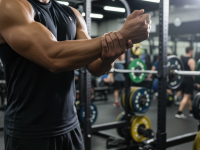
Grip strength exercises for longevity are not just about bigger biceps. Strong handgrip is a simple, powerful predictor of healthy aging and functional independence, and it can be trained at any level. This article explains why grip strength matters, how to train it safely, and how to fit grip work into a busy lifestyle so you can live more independently for longer.
Why grip strength matters for aging
<pGrip strength is more than a grip talent; it reflects the health of your entire musculoskeletal and nervous systems. Research shows that higher grip strength in midlife and older age is associated with lower risk of all-cause mortality, fewer disability days, and better cognitive function. In practical terms, a stronger grip supports daily tasks such as opening jars, carrying groceries, and maintaining balance during transfers. These small advantages compound over years, contributing to greater independence in later life.
Evidence at a glance
- Grip strength correlates with overall muscle strength and bone health, which are key to mobility.
- Weak grip strength predicts higher risk of disability, hospitalization, and mortality in diverse populations.
- Regular grip training can help mitigate age-related muscle loss (sarcopenia) and improve functional performance.
- Grip exercises also engage forearm and hand joints, supporting dexterity needed for tasks such as writing, typing, and using tools.
How grip strength links to overall health
<pThe benefits of grip strength extend beyond the forearms. A stronger grip often accompanies better upper body strength and core stability, which support posture and balance. Mechanistically, grip training stimulates neural pathways that improve coordination between the hands and arms, while mechanical loading helps maintain tendon and ligament health. For older adults, this can translate into fewer falls, easier transfers, and quicker recovery after minor injuries. Taken together, grip strength is a practical proxy for overall health and aging resilience.
Practical grip strength training routine
Before you start: safety and form
Begin with a leisurely warm-up such as light wrist circles and gentle finger flexion to prepare the joints. Use controlled movements and avoid jerky or painful actions. If you have arthritis, prior injuries, or hand pain, consult a clinician or physical therapist to tailor exercises to your needs and avoid worsening symptoms.

Starter routine (2–3 sessions per week)
- Grip squeezes: Hold a soft ball or hand gripper and squeeze for 3–4 seconds, then release. Do 2–3 sets of 8–12 squeezes per hand.
- Farmer’s carry: Hold a pair of moderate dumbbells or kettlebells at your sides and walk for 20–40 seconds. Rest 60 seconds. Repeat 3 rounds.
- Plate pinch: Between thumb and fingers, pinch two weight plates together for 15–20 seconds, then switch hands. Do 2–3 sets per hand.
- Dead hangs: From a pull-up bar, hang with relaxed shoulders for 15–30 seconds. If needed, bend your knees or use a stool for support. Do 2–3 sets.
Progression options
- Increase repetitions or duration gradually as grip endurance improves.
- Add load: use heavier dumbbells, thicker-handled implements, or resistance bands with a grip anchor.
- Vary grip types: turn the hand position to target different forearm muscles (pronated, neutral, supinated grips).
- Integrate isometric holds: squeeze and hold at peak contraction for 5–10 seconds before releasing.
Sample 4-week progression plan
- Weeks 1–2: Foundation work with 2 sets per exercise, 8–12 reps, light to moderate load.
- Weeks 3–4: Increase sets to 3, extend hold times to 15–20 seconds for static holds, and add one additional exercise (e.g., towel grip or pinch grip).
Incorporating grip work into daily life
Consistency matters more than perfection. Integrate grip exercises into daily routines to sustain momentum. For example, perform a quick 5-minute routine during TV commercial breaks or between meetings. When lifting or carrying groceries, focus on a firm, controlled grip rather than a reckless, loose hold. Small, frequent sessions accumulate into meaningful improvements over weeks and months.
Measuring progress and staying motivated
A simple way to track progress is to use a grip dynamometer or a repeatable self-assessment: note how many squeezes you can perform in 30 seconds, or the load you can hold for a fixed duration. Record measurements weekly to observe trends and set realistic milestones. Seeing steady improvements reinforces motivation and helps you stay consistent with grip training as part of a broader longevity plan.
Safety considerations and who should avoid or modify grip training
<pWhile grip exercises are generally safe for most adults, those with recent hand or wrist injuries, carpal tunnel symptoms, or rheumatoid arthritis should seek professional guidance. People with shoulder or elbow pain should adjust loads or substitute movements that minimize joint strain. If any exercise triggers sharp pain, numbness, or swelling, stop and consult a clinician.
A holistic approach: combining grip work with other longevity-focused training
<pGrip strength is most effective when combined with comprehensive physical activity. Pair grip training with aerobic exercise (walking, cycling), strength training for major muscle groups, flexibility work, and balance training. Adequate protein intake, sleep, and stress management also support muscle maintenance and recovery. By integrating grip work into a well-rounded program, you maximize the potential for longer, healthier years.
Frequently asked questions
Is grip strength training suitable for beginners?
Yes. Start with low resistance, short holds, and simple movements. Focus on form and gradual progression to avoid joint strain.
How many days per week should I train my grip?
2–3 days per week is a practical starting point. Allow at least one day of rest between sessions to support recovery.
Can grip training help with arthritis?
Moderate, controlled grip exercises can help maintain range of motion and hand function. Avoid aggressive gripping if it worsens pain and consult a clinician for personalized guidance.
Conclusion
Strengthening your grip is a practical, evidence-informed step toward longevity. By training hand and forearm muscles, you support daily independence, reduce disability risk, and contribute to overall health as you age. Start with a simple routine, progress gradually, and integrate grip work into your life for lasting benefits.
“Create a clean, medical infographic-style illustration showing a progression of grip strength exercises for longevity. Central focus on a realistic hand gripping a dynamometer with the needle rising from low to high. Surrounding panels depict: 1) grip squeezes with a soft ball; 2) farmer’s carry with two dumbbells; 3) plate pinch with two weight plates pressed together; 4) dead hangs from a pull-up bar with a calm, age-diverse individual; 5) towel grip pull-aparts; 6) wrist curls with a lightweight dumbbell. Include short captions like ‘Improved strength’, ‘Better independence’, ‘Reduced disability risk’. Color palette: navy blue, teal, and light gray with clean white background. Use vector icons for accessibility and a modern, authoritative look. Include silhouettes of older adults performing movements to emphasize longevity and safety, with emphasis on proper form and joint comfort.”