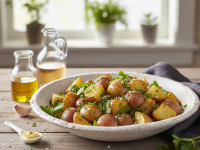
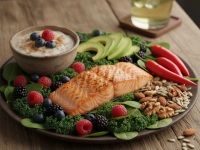
These nutrient-dense powerhouses are not only low in calories but also packed with fiber, vitamins, and minerals that can significantly improve metabolic health, regulate hormones, and support healthy weight loss for individuals with PCOS.
Understanding PCOS and Its Weight Management Challenges
PCOS is a complex hormonal disorder affecting millions of women worldwide, characterized by symptoms like irregular periods, elevated androgen levels, and often, polycystic ovaries. One of the most prevalent and frustrating symptoms for many is difficulty with weight management.
Insulin resistance is a cornerstone of PCOS, meaning the body’s cells don’t respond effectively to insulin, leading the pancreas to produce more. This excess insulin promotes fat storage, particularly around the abdomen, making weight loss exceptionally difficult and often contributing to further hormonal imbalances and inflammation.
Furthermore, hormonal disruptions such as elevated androgens can impact metabolism and fat distribution. The cycle of insulin resistance, inflammation, and hormonal imbalance creates a challenging environment for the body to lose weight, making dietary interventions crucial for breaking this cycle.
Why Non-Starchy Vegetables Are Your PCOS Weight Management Allies
Non-starchy vegetables are a cornerstone of any healthy diet, but they hold particular significance for individuals navigating PCOS. Their unique nutritional profile directly addresses many of the underlying issues that contribute to weight gain and insulin resistance in PCOS.
Low Calorie, High Volume
One of the simplest yet most effective benefits of non-starchy vegetables is their low caloric density coupled with high volume. You can eat a significant amount of these vegetables without consuming a large number of calories, which is fundamental for creating a calorie deficit necessary for weight loss.
Their bulk helps fill you up, promoting satiety and reducing overall food intake without feeling deprived. This makes them an invaluable tool for managing hunger and portion control, crucial aspects of sustainable weight management.
Fiber Powerhouse for Insulin Sensitivity
Non-starchy vegetables are an excellent source of dietary fiber, both soluble and insoluble. Fiber is a game-changer for PCOS because it significantly impacts blood sugar regulation and insulin sensitivity.
Soluble fiber helps slow down the absorption of sugar into the bloodstream, preventing rapid spikes in blood glucose and subsequent insulin surges. Insoluble fiber adds bulk to stool, aids digestion, and contributes to gut health, which is increasingly recognized for its role in metabolism and hormone regulation.
By stabilizing blood sugar levels, fiber helps reduce insulin resistance, decrease cravings, and improve the body’s ability to use glucose efficiently. This directly contributes to more effective fat burning and less fat storage.
Nutrient Density and Antioxidant Boost
Beyond fiber, these vegetables are packed with essential vitamins, minerals, and antioxidants. These micronutrients are vital for numerous bodily functions, including metabolism, hormone production, and reducing inflammation.
Many individuals with PCOS experience chronic low-grade inflammation, which can exacerbate insulin resistance and weight gain. The abundance of antioxidants in non-starchy vegetables, such as vitamins C and E, beta-carotene, and various phytochemicals, helps combat oxidative stress and reduce inflammation, supporting overall metabolic health.
Supporting Gut Health
A healthy gut microbiome plays a critical role in metabolic health, immune function, and even hormone balance. The fiber and prebiotics found in non-starchy vegetables feed beneficial gut bacteria, promoting a diverse and thriving microbiome.
An optimized gut can improve nutrient absorption, help regulate blood sugar, and potentially influence estrogen metabolism, all of which are beneficial for PCOS management and weight loss.
Top Non-Starchy Vegetables to Incorporate into Your PCOS Diet
While all non-starchy vegetables are beneficial, some stand out for their exceptional nutrient profiles and versatility. Aim for a wide variety to ensure you’re getting a full spectrum of vitamins, minerals, and phytochemicals.
Leafy Greens (Spinach, Kale, Swiss Chard)
These dark, leafy greens are nutritional powerhouses, rich in folate, iron, magnesium, and vitamins K and A. They are incredibly low in carbohydrates and calories but high in fiber. Incorporate them into smoothies, salads, stir-fries, or sauté them as a side dish.
Cruciferous Vegetables (Broccoli, Cauliflower, Brussels Sprouts)
Broccoli, cauliflower, and Brussels sprouts are renowned for their fiber content and unique compounds like indole-3-carbinol, which supports healthy estrogen metabolism. They are excellent sources of vitamin C and K. Enjoy them roasted, steamed, or as a base for low-carb rice or mashed alternatives.
Bell Peppers (All Colors)
Bell peppers, especially red and yellow varieties, are bursting with vitamin C and powerful antioxidants. They add a sweet crunch and vibrant color to any meal. Use them raw in salads, as dippers, or cook them into stir-fries, fajitas, or roasted dishes.
Zucchini and Summer Squash
These mild-flavored vegetables are incredibly hydrating and low in calories, making them perfect for adding bulk to meals. They are versatile and can be spiralized into “zoodles” as a pasta substitute, grilled, roasted, or added to soups and stews.
Asparagus and Green Beans
Asparagus and green beans are excellent sources of fiber, folate, and vitamins A, C, and K. They are easy to prepare and make fantastic side dishes. Steam, roast, or sauté them with a little garlic and olive oil for a delicious and healthy addition to any meal.
Cucumbers and Celery
Extremely low in calories and high in water content, cucumbers and celery are perfect for hydration and adding crunch without significant carbohydrate load. They are excellent for snacking, in salads, or as a refreshing addition to infused water.
Practical Tips for Integrating Non-Starchy Vegetables into Your Daily Meals
Making non-starchy vegetables a staple in your diet doesn’t have to be bland or boring. With a little planning and creativity, you can easily boost your intake.
Make Half Your Plate Veggies
A simple visual trick: aim to fill half of your dinner plate with non-starchy vegetables. This ensures a high fiber, nutrient-dense meal that promotes satiety without excess calories.
Sneak Them In
Blend spinach into smoothies, finely chop mushrooms and bell peppers into sauces or meatloaves, add zucchini to scrambled eggs, or grate carrots into casseroles. These subtle additions increase your vegetable intake without overpowering the dish.
Experiment with Cooking Methods
Varying your cooking methods can keep vegetables exciting. Try roasting them with herbs and spices for caramelized flavor, steaming for a tender crunch, grilling for smoky notes, or stir-frying quickly to maintain their texture and nutrients.
Prep Ahead
Wash and chop a variety of non-starchy vegetables at the beginning of the week. Store them in airtight containers in the fridge, making them readily available for quick meals, snacks, and additions to any dish.
Snack Smart
Keep raw veggie sticks like cucumber, celery, bell peppers, and carrots on hand for healthy snacking. Pair them with a spoonful of hummus, guacamole, or a healthy nut butter for added protein and healthy fats.
Beyond Vegetables: A Holistic Approach to PCOS Management
While non-starchy vegetables are incredibly powerful for PCOS weight management, they are most effective as part of a holistic approach. Complement your increased vegetable intake with lean proteins, healthy fats, and mindful consumption of complex carbohydrates.
Regular physical activity, adequate sleep, stress management techniques, and staying well-hydrated are also critical pillars for balancing hormones, improving insulin sensitivity, and achieving sustainable weight loss with PCOS. Always consult with a healthcare professional or a registered dietitian to create a personalized plan tailored to your specific needs.
Embracing the rich world of non-starchy vegetables is a vital step towards reclaiming control over your health and well-being with PCOS. Their ability to manage blood sugar, reduce inflammation, and promote satiety makes them an indispensable ally on your journey to sustainable weight management.