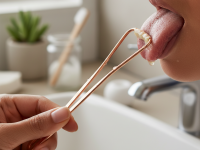
The oral microbiome is a complex world teeming with billions of microorganisms, both beneficial and potentially harmful. Understanding how tongue scraping can positively influence this intricate balance is key to elevating your daily dental care ritual.
Understanding Your Oral Microbiome: A Delicate Ecosystem
Your mouth is home to hundreds of different species of bacteria, fungi, viruses, and protozoa, collectively forming your oral microbiome. This diverse community plays a crucial role in maintaining oral health, helping to break down food particles, and even influencing your immune system.
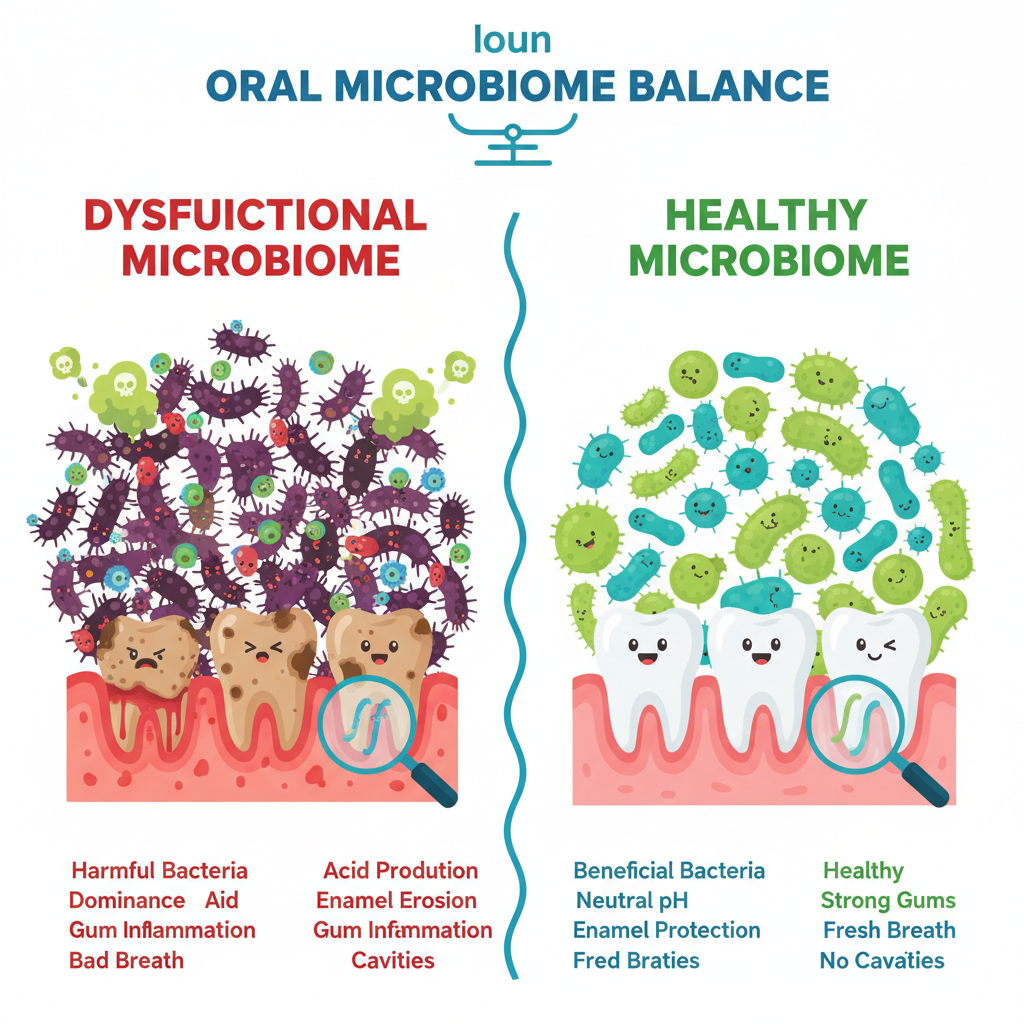
A healthy oral microbiome is characterized by a balance where beneficial bacteria thrive, keeping opportunistic pathogens in check. When this balance is disrupted, often due to poor hygiene, diet, or stress, it can lead to common oral issues like bad breath, cavities, and gum disease.
What is Tongue Scraping and Its Ancient Roots?
Tongue scraping is a simple, ancient practice involving the gentle removal of accumulated debris, bacteria, and food particles from the surface of the tongue using a specialized tool. While seemingly modern, this practice has roots in Ayurvedic medicine, dating back thousands of years, where it was considered essential for detoxification and overall health.
The tongue’s surface, particularly the posterior one-third, is textured with papillae that can trap food particles, dead cells, and bacteria. Over time, these accumulations form a biofilm that can be a breeding ground for undesirable microbes, impacting both breath and general oral health.
Direct Benefits of Tongue Scraping for Your Oral Microbiome
1. Reducing Harmful Bacteria and Biofilm Formation
One of the primary benefits of tongue scraping is its direct action in physically removing the white or yellowish coating on your tongue. This coating is a complex biofilm composed of bacteria, fungi, food debris, and dead cells. Many of these bacteria are anaerobic and contribute to the production of volatile sulfur compounds (VSCs), which are the main culprits behind bad breath.
By effectively scraping away this accumulation, you significantly reduce the bacterial load, particularly those associated with periodontal disease and halitosis. This mechanical removal starves harmful microbes of their environment, making it harder for them to colonize and multiply.
2. Promoting a Healthier Bacterial Balance
While tongue scraping removes bacteria, it doesn’t sterilize your mouth. Instead, it helps to create a more favorable environment for beneficial bacteria to thrive. By reducing the dominance of harmful species, tongue scraping allows the commensal (friendly) bacteria to re-establish a healthy equilibrium.
This rebalancing act is crucial for a resilient oral microbiome that can naturally defend against pathogens and maintain the integrity of oral tissues. It supports the natural symbiotic relationship between you and your resident microbes.
3. Combating Bad Breath (Halitosis) Effectively
Bad breath is overwhelmingly caused by the breakdown products of bacteria on the tongue. These bacteria, particularly those lurking in the crevices of the tongue’s surface, produce foul-smelling VSCs. Brushing alone often fails to adequately dislodge these tenacious bacteria.
Tongue scraping provides a superior method for removing these odor-causing compounds and the bacteria that produce them. Studies consistently show that tongue scraping is more effective than toothbrushing in reducing VSCs, offering a long-lasting solution to chronic halitosis by targeting its root cause within the oral microbiome.
4. Enhancing Taste Perception
When your tongue is covered with a layer of bacteria and debris, it can dull your taste buds. This biofilm acts as a barrier, preventing food molecules from fully interacting with your taste receptors. Regular tongue scraping clears this coating, allowing your taste buds to be more exposed and sensitive.
Many individuals report an immediate improvement in their ability to discern flavors more acutely after incorporating tongue scraping into their routine. This enhanced taste sensation not only makes eating more enjoyable but can also lead to healthier dietary choices.
Broader Health Implications Beyond the Mouth
1. Improved Overall Oral Hygiene and Reduced Risk of Dental Issues
Tongue scraping complements brushing and flossing by targeting an area of the mouth often overlooked. By reducing the overall bacterial load, it indirectly contributes to a lower risk of cavities, gingivitis, and periodontitis. Fewer harmful bacteria in the mouth means less plaque formation on teeth and healthier gums.
This comprehensive approach to oral hygiene creates a cleaner environment for the entire mouth, acting as a preventative measure against a cascade of dental problems stemming from microbial imbalance.
2. Potential Connection to Digestive Health
The oral microbiome is the gateway to the gut microbiome, and the two are intrinsically linked in what is known as the “oral-gut axis.” Swallowing harmful bacteria from the tongue can introduce these pathogens into the digestive system, potentially impacting gut health and overall systemic well-being.
By reducing the presence of undesirable bacteria in the mouth, tongue scraping may indirectly support a healthier gut microbiome and contribute to better digestive function. It’s a foundational step in preventing the entry of oral pathogens into the wider bodily systems.
3. Supporting the Immune System
A balanced oral microbiome is a key component of a robust immune system. The mouth is a primary entry point for pathogens into the body. When the oral microbiome is in dysbiosis (imbalance), it can place a continuous strain on the immune system, making the body more susceptible to illness.
Regular tongue scraping helps reduce this constant immune challenge by lowering the load of potential pathogens entering the body. This allows the immune system to focus its resources elsewhere, contributing to overall health resilience.
How to Incorporate Tongue Scraping into Your Daily Routine
Adopting tongue scraping is simple and takes less than a minute. For optimal results, make it a consistent part of your morning and evening oral hygiene ritual.
Choosing the Right Scraper
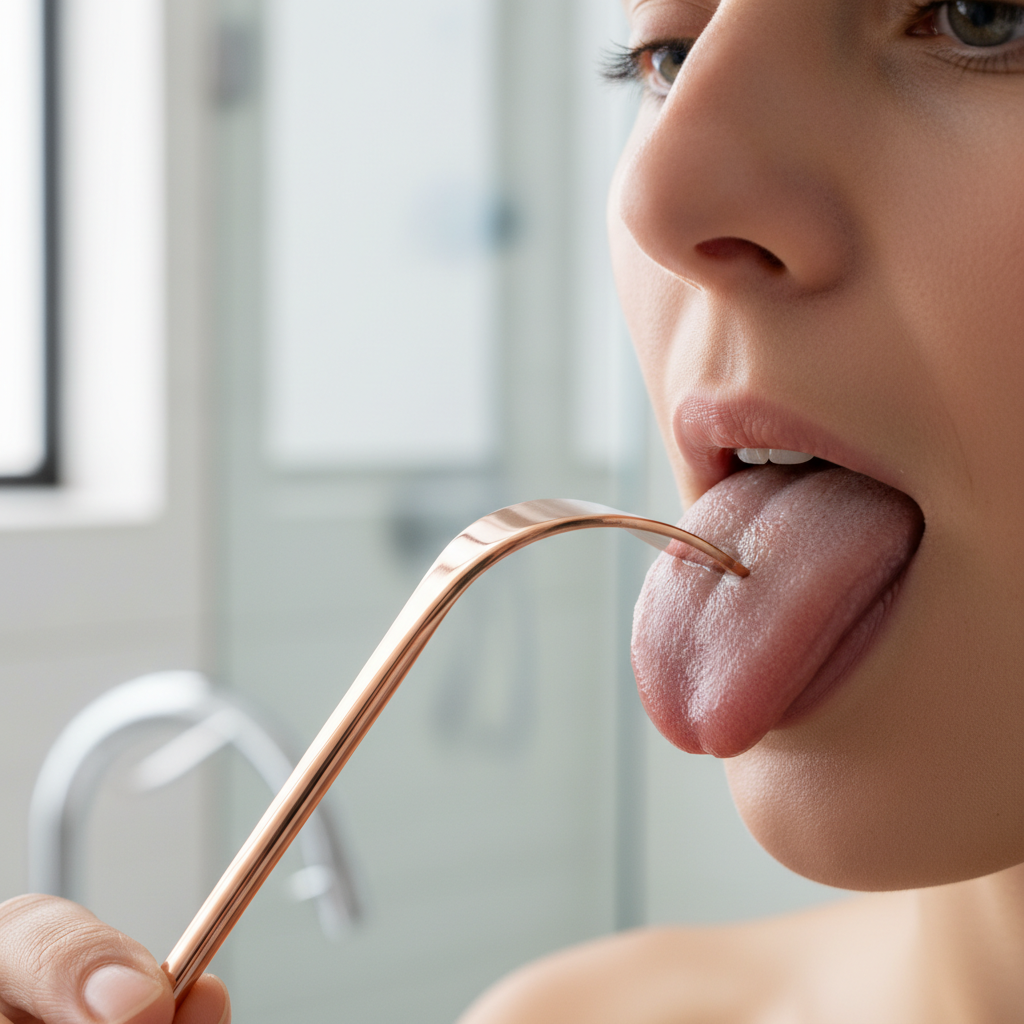
Tongue scrapers come in various materials, including stainless steel, copper, and plastic. Copper is often favored in Ayurvedic traditions for its natural antimicrobial properties, while stainless steel is durable and easy to clean. Choose a U-shaped scraper for ease of use and maximum coverage.
Proper Technique for Effective Scraping
- Stand in front of a mirror and extend your tongue.
- Place the scraper as far back on your tongue as comfortable.
- Apply gentle, firm pressure and pull the scraper forward towards the tip of your tongue.
- Rinse the scraper under running water after each pass to remove accumulated debris.
- Repeat 5-10 times until your tongue feels clean and free of coating.
- Finish by rinsing your mouth with water.
Frequency and Best Practices
Aim to scrape your tongue once or twice daily, ideally upon waking, before you eat or drink anything. This removes the bacterial buildup that occurs overnight. Consistency is key to experiencing the full benefits of tongue scraping for your oral microbiome.
Remember that tongue scraping is an adjunct to, not a replacement for, brushing and flossing. It works synergistically with these practices to provide comprehensive oral hygiene.
Conclusion: Embrace a Holistic Approach to Oral Wellness
The benefits of tongue scraping for your oral microbiome are extensive, ranging from the immediate relief of bad breath and enhanced taste to far-reaching implications for digestive and immune health. This ancient practice offers a simple yet powerful tool to maintain the delicate balance of microorganisms in your mouth, fostering an environment where health thrives.
By embracing tongue scraping, you’re not just cleaning your tongue; you’re actively cultivating a healthier oral ecosystem, contributing significantly to your overall well-being. Make it a foundational step in your daily routine to unlock a brighter, healthier smile and a more balanced you.
“Dysfunctional Microbiome” side: Visually represent a tongue surface covered in a thick, yellowish-white coating with angry-looking, spiky red bacteria and green fungus-like organisms. Small, faint speech bubbles with “Bad Breath,” “Cavities,” “Gum Disease.” A red ‘X’ mark over this side.
“Healthy Microbiome” side: Visually represent a clean, pink tongue surface with a sparse, balanced distribution of cheerful, rounded blue and purple beneficial bacteria. Small, clear speech bubbles with “Fresh Breath,” “Healthy Gums,” “Better Taste.” A green checkmark over this side.
A clean, elegant tongue scraper tool should be centrally placed between the two halves, symbolizing the transition from unhealthy to healthy. The overall style should be clean, modern, and easily understandable, like a scientific illustration but aesthetically pleasing.