The Unsung Heroes of Healthy Eating: Why Frozen Vegetables Reign Supreme
The perception that frozen vegetables are somehow inferior to their fresh counterparts is a myth that needs debunking. In many cases, frozen vegetables can be just as, if not more, nutritious than fresh ones. This is due to the harvesting and freezing process.
Nutritional Powerhouses, Always in Season
Frozen vegetables are typically picked at their peak ripeness, when their nutritional content is highest. They are then blanched (briefly boiled) and flash-frozen within hours. This rapid process locks in vitamins, minerals, and antioxidants, preventing the nutritional degradation that can occur during the transport and storage of fresh produce. Unlike fresh vegetables that might sit in transit or on supermarket shelves for days, gradually losing their potency, frozen vegetables retain their goodness, ensuring you get the most nutritional bang for your buck.
Convenience Redefined for Busy Lifestyles
Time is a precious commodity, and frozen vegetables are a busy cook’s best friend. They come pre-washed, pre-chopped, and ready to use, eliminating the tedious tasks of cleaning, peeling, and cutting. This convenience shaves significant time off meal preparation, making it easier to whip up a nutritious dinner even on the most hectic weeknights. No more excuses for ordering takeout when a bag of mixed veggies can be the foundation of a quick, wholesome meal.
Budget-Friendly and Waste-Reducing
Another major advantage of frozen vegetables is their cost-effectiveness. They tend to be more affordable than fresh produce, especially out of season, allowing you to enjoy a wider variety of vegetables without breaking the bank. Furthermore, because they last for months in the freezer, you can use exactly what you need and store the rest, drastically reducing food waste. This sustainable approach benefits both your wallet and the planet.
Mastering the Art of Cooking with Frozen Vegetables
While the benefits are clear, knowing how to properly cook with frozen vegetables is key to unlocking their full potential. With a few simple techniques, you can ensure they retain their texture, vibrant color, and delicious flavor.
From Freezer to Plate: Best Practices
- No Thawing Needed (Often): For many applications like stir-fries, soups, stews, or casseroles, you can add frozen vegetables directly to your pan or pot. They will thaw and cook as the dish progresses.
- Avoid Overcrowding: When roasting or stir-frying, cook vegetables in batches if necessary. Overcrowding the pan can lead to steaming instead of browning, resulting in soggy vegetables.
- High Heat is Your Friend: For crispy textures, especially when roasting or stir-frying, ensure your pan or oven is preheated to a high temperature. This helps to evaporate excess moisture quickly.
- Rinse for Glaze: Some frozen vegetables, particularly leafy greens like spinach, benefit from a quick rinse under cold water to remove any ice crystals before cooking, helping them cook more evenly and preventing excess water in your dish.
Popular Cooking Methods for Frozen Veggies
- Roasting: Toss frozen vegetables (broccoli, cauliflower, Brussels sprouts, bell peppers, corn, green beans) with olive oil, salt, pepper, and your favorite spices. Roast at 400-425°F (200-220°C) until tender-crisp and lightly browned. This method brings out their natural sweetness.
- Stir-Frying: Add frozen mixed vegetables (peas, carrots, corn, green beans, broccoli florets) directly to a hot wok or skillet with a little oil. Cook until tender-crisp, then add your protein and sauce.
- Steaming: Place frozen vegetables in a steamer basket over boiling water. Cover and steam until tender, usually just a few minutes. This method preserves nutrients and vibrant color.
- Baking/Casseroles: Integrate frozen vegetables seamlessly into baked dishes like gratins, frittatas, quiches, or Shepherd’s pie. They will thaw and cook beautifully within the dish.
- Soups and Stews: Frozen vegetables are perfect for adding bulk, flavor, and nutrients to any soup or stew. Add them towards the end of the cooking process to prevent them from becoming mushy.
Delicious & Healthy Meals with Frozen Vegetables: Inspiring Recipes
The versatility of frozen vegetables means they can be incorporated into virtually any meal of the day. Here are some inspiring ideas to get you started on your journey to creating healthy meals with frozen vegetables.
Quick Weeknight Wonders
When time is of the essence, frozen vegetables are your secret weapon for speedy, nutritious dinners.
- Speedy Chicken & Veggie Stir-fry: Sauté lean protein (chicken, tofu) with garlic and ginger, then add a bag of frozen stir-fry mix (broccoli, carrots, snow peas, bell peppers). Finish with a low-sodium soy sauce or teriyaki glaze and serve over brown rice.
- Pasta Primavera with a Twist: Cook whole wheat pasta. In a separate pan, sauté a medley of frozen vegetables (peas, corn, diced carrots, green beans, spinach) with olive oil, garlic, and cherry tomatoes. Toss with the pasta, a splash of pasta water, and a sprinkle of Parmesan.
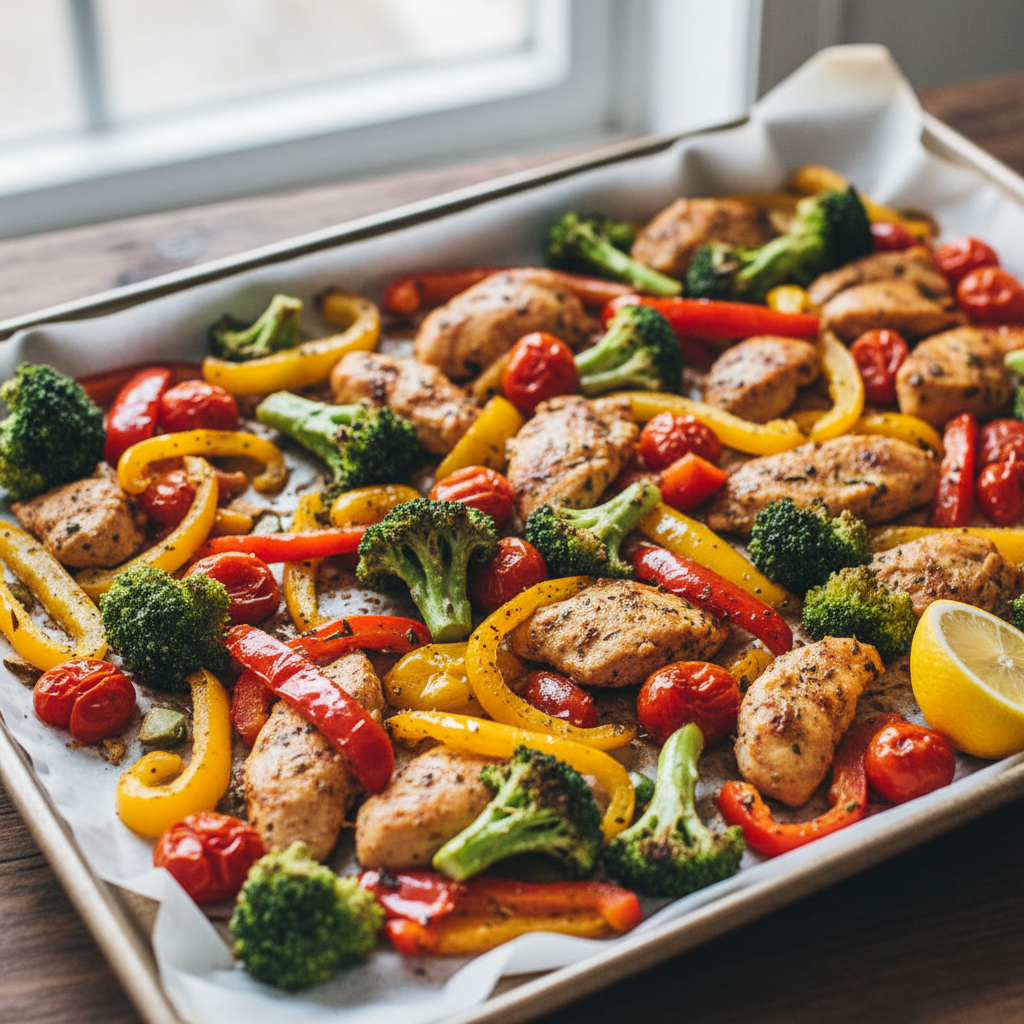
- Sheet Pan Sausage and Peppers: Toss sliced chicken or turkey sausage with frozen bell pepper and onion strips, broccoli florets, and a drizzle of olive oil and Italian seasoning. Roast on a sheet pan until cooked through and vegetables are tender.
Hearty & Comforting Classics
Frozen vegetables shine in comforting dishes, adding robust flavor and vital nutrients to family favorites.
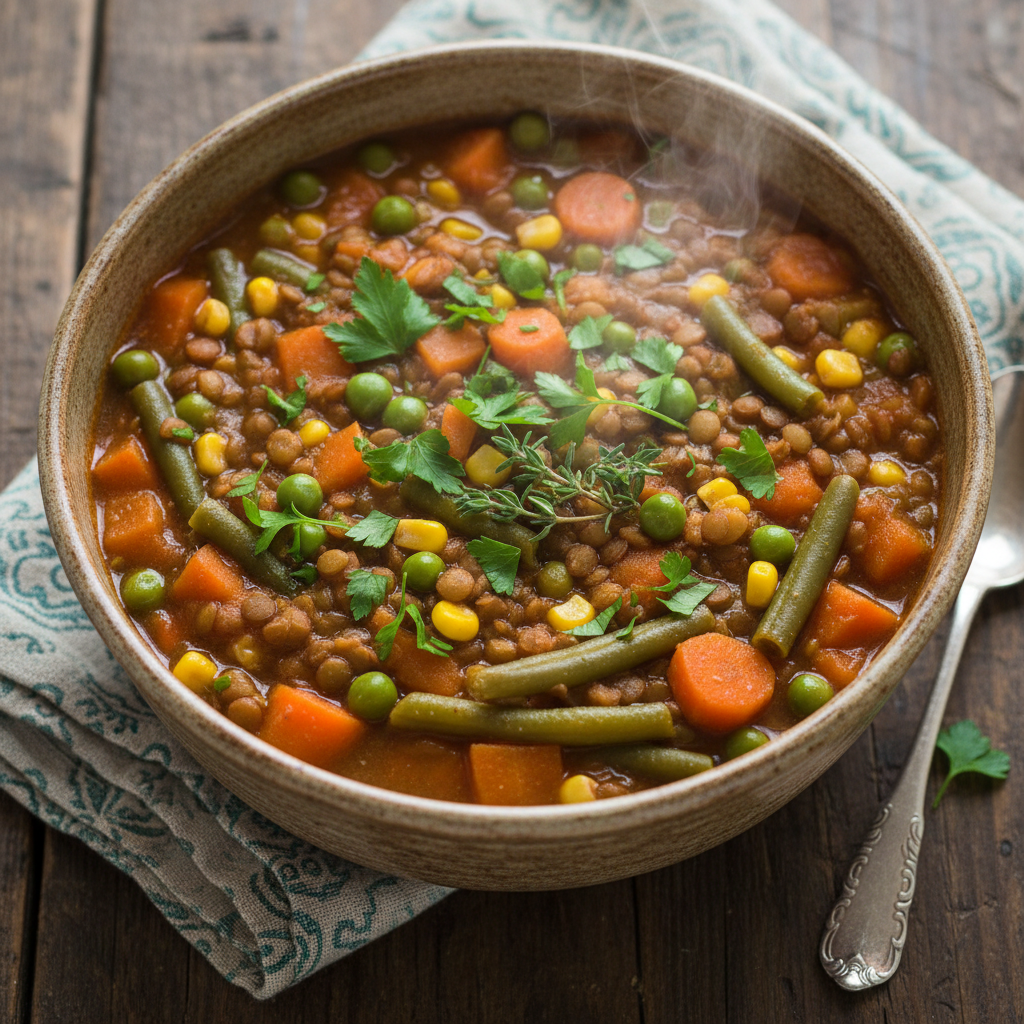
- One-Pot Lentil & Vegetable Soup: Combine vegetable broth, lentils, diced tomatoes, and a generous mix of frozen root vegetables (carrots, potatoes, peas, green beans, corn). Simmer until lentils are tender for a nourishing, protein-packed soup.
- Healthier Shepherd’s Pie: Layer cooked lean ground meat (or lentils) with a base of frozen mixed vegetables (peas, carrots, corn), topped with mashed cauliflower or sweet potato instead of traditional mashed potatoes. Bake until bubbly and golden.
- Creamy Veggie & Chicken Casserole: Mix cooked chicken breast, a can of low-fat cream of mushroom soup, milk, and a large bag of frozen mixed vegetables. Top with whole wheat breadcrumbs or crushed whole-grain crackers and bake until hot and bubbly.
Breakfast & Brunch Boosters
Don’t limit frozen veggies to dinner; they can supercharge your morning meals too!
- Green Smoothie Power-Up: Blend a handful of frozen spinach or kale with banana, plant-based milk, a scoop of protein powder, and a tablespoon of nut butter for a nutrient-dense start to your day.
- Quick Veggie Scramble/Omelette: Sauté frozen bell peppers, onions, and spinach directly from the freezer until tender. Whisk in eggs and cook until set for a protein-rich breakfast.
- Sweet Potato & Brussels Sprout Hash: Roast frozen diced sweet potatoes and Brussels sprouts until tender. Sauté with onions and garlic, then top with a fried egg for a hearty brunch.
Smart Lunch Solutions
Meal prep becomes a breeze with frozen vegetables, ensuring healthy lunches throughout the week.
- Quinoa or Grain Bowls: Cook your favorite grain (quinoa, farro, brown rice). Top with roasted frozen broccoli, edamame, and corn. Add a lean protein (grilled chicken, chickpeas) and drizzle with a homemade vinaigrette.
- Veggie-Packed Frittata or Quiche: Use frozen spinach, bell peppers, and mushrooms as the filling for a quick frittata. It’s excellent warm or cold and can be made ahead for grab-and-go lunches.
- Hummus & Veggie Wraps: Spread hummus on a whole-wheat tortilla, then fill with quickly steamed or roasted frozen mixed greens, bell peppers, and carrots. Add some lean deli meat or crumbled feta if desired.
Creative Sides & Snacks
Elevate your side dishes and healthy snack options with the convenience of frozen vegetables.
- Garlic Herb Roasted Medley: Roast a mix of frozen carrots, green beans, and cauliflower with garlic powder, dried herbs (thyme, rosemary), olive oil, salt, and pepper until tender and slightly caramelized.
- Edamame with Sea Salt: Simply steam frozen shelled edamame, sprinkle with sea salt, and enjoy a protein-packed, fiber-rich snack.
- Quick Vegetable Fritters: Grate or finely chop thawed frozen zucchini or corn. Mix with a little flour, egg, and seasoning. Pan-fry until golden brown for delicious patties.
Chef’s Top Tips for Maximizing Frozen Vegetable Flavor
As a chef, I believe that even the simplest ingredients can shine with the right touch. Here are my professional tips for making your frozen vegetable dishes truly outstanding:
- Season Generously: Don’t underestimate the power of salt, pepper, garlic powder, onion powder, and your favorite herbs and spices. Frozen vegetables are a blank canvas, so season them well!
- Acid Brightens: A squeeze of lemon juice or a dash of vinegar (apple cider, red wine) at the end of cooking can brighten flavors and cut through any richness.
- Add Aromatic Bases: Start your cooking with sautéed garlic, onions, or shallots before adding frozen vegetables to build a flavorful foundation.
- Don’t Overcook: The key to good texture is to cook frozen vegetables until they are just tender-crisp. Overcooking them will lead to mushiness.
- Embrace Healthy Fats: A good quality extra virgin olive oil, avocado oil, or a knob of grass-fed butter can carry flavors and add richness to your vegetable dishes.
- Mix Textures: Combine different frozen vegetables, or fresh ingredients with frozen ones, to create more interesting textual contrasts in your meals.
Embrace the Freezer: Your Path to Sustainable Healthy Eating
Gone are the days when frozen vegetables were considered a last resort. Today, they are celebrated for their convenience, nutritional value, and role in sustainable eating. By stocking your freezer with a colorful array of these versatile ingredients, you empower yourself to create healthy meals with frozen vegetables that are not only quick and easy but also incredibly delicious and beneficial for your well-being. So, go ahead, open your freezer, and let the culinary creativity begin!