What is the Autoimmune Paleo Diet (AIP)?
The Autoimmune Paleo Diet (AIP) is a specialized, nutrient-dense elimination diet designed to help individuals with autoimmune diseases reduce inflammation, heal the gut, and identify food sensitivities. It’s an advanced form of the standard Paleo diet, specifically tailored to support immune system modulation and restore overall health. The core philosophy of AIP revolves around removing foods that commonly trigger inflammation and gut permeability, while simultaneously flooding the body with nutrient-rich, easily digestible whole foods.
The theory behind AIP posits that many autoimmune conditions are linked to “leaky gut” (increased intestinal permeability), which allows undigested food particles and toxins to enter the bloodstream, triggering an immune response. By removing irritants and promoting gut healing, AIP aims to calm the immune system and alleviate symptoms.
Who Can Benefit from the AIP Diet?
While the AIP diet is gaining traction, it’s primarily designed for individuals struggling with autoimmune conditions. These may include:
- Hashimoto’s Thyroiditis
- Grave’s Disease
- Rheumatoid Arthritis
- Lupus
- Inflammatory Bowel Disease (Crohn’s disease, Ulcerative Colitis)
- Psoriasis and Eczema
- Multiple Sclerosis
- Celiac Disease (after initial gluten removal)
- Fibromyalgia and Chronic Fatigue Syndrome (often overlap with autoimmune issues)
It’s crucial to consult with a healthcare professional or a registered dietitian before starting the AIP diet, especially if you have an existing medical condition or are on medication. They can help ensure it’s appropriate for your individual needs and guide you through the process safely.
The Science Behind AIP: How it Works
The Autoimmune Paleo Protocol focuses on several key physiological mechanisms to promote healing.
Healing the Gut Barrier
Many autoimmune diseases are associated with dysbiosis (an imbalance of gut bacteria) and increased intestinal permeability. AIP removes foods known to irritate the gut lining, such as gluten, dairy, nightshades, and refined sugars. Simultaneously, it emphasizes foods rich in collagen (bone broth), probiotics (fermented foods), and prebiotics (fibrous vegetables) to support the repair and integrity of the intestinal barrier, often referred to as “gut healing.”
Reducing Systemic Inflammation
Inflammation is a hallmark of autoimmune conditions. AIP eliminates common pro-inflammatory foods while encouraging a diet rich in anti-inflammatory nutrients found in colorful vegetables, healthy fats, and quality proteins. This shift helps to calm the body’s immune response and reduce overall inflammation, leading to a decrease in symptoms.
Optimizing Nutrient Density
Individuals with autoimmune diseases often have nutrient deficiencies due to impaired absorption or increased bodily demands. The AIP diet is inherently nutrient-dense, focusing on whole, unprocessed foods like organ meats, leafy greens, cruciferous vegetables, and wild-caught fish. This provides essential vitamins, minerals, and antioxidants vital for immune function and cellular repair.
The Three Phases of the AIP Diet
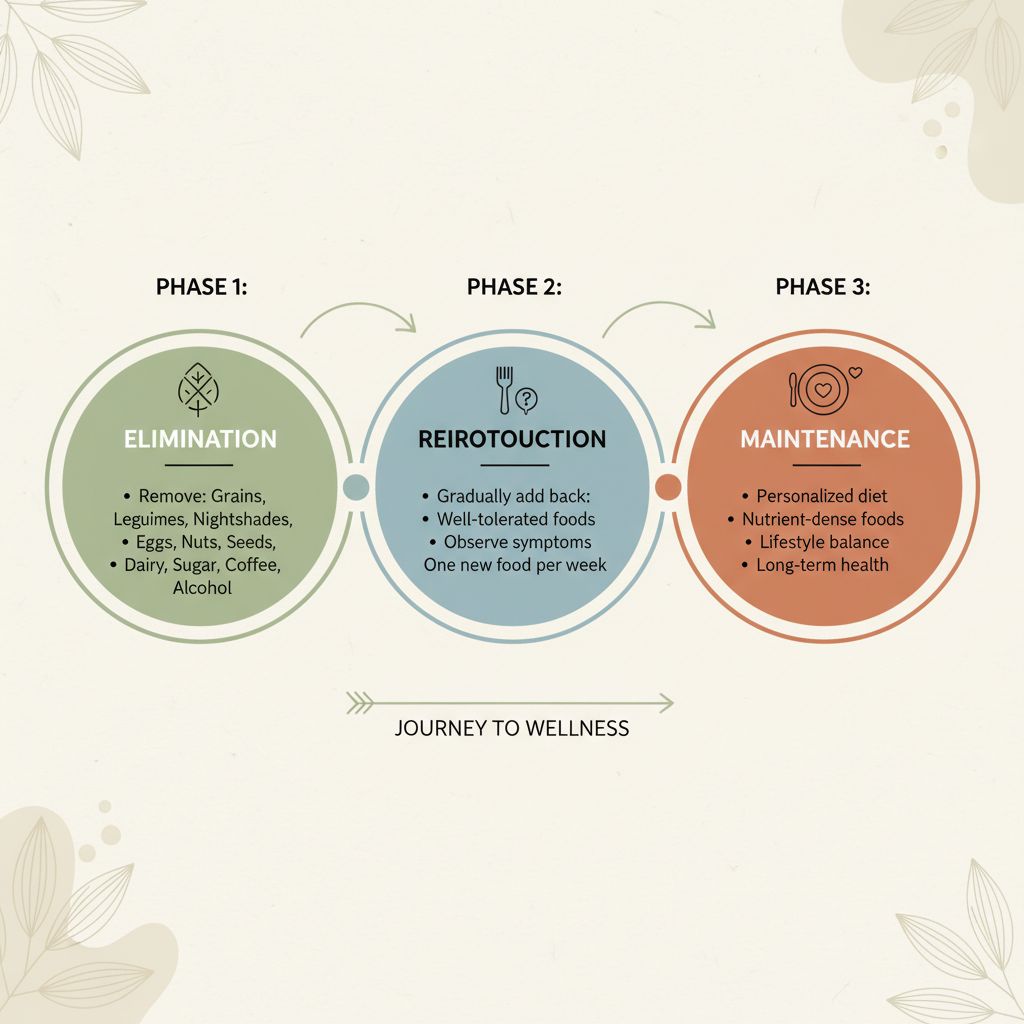
The AIP diet is not meant to be a permanent restriction but rather a structured elimination and reintroduction process. It typically involves three phases.
Phase 1: Elimination
This is the most restrictive phase, lasting typically 30 to 90 days, or until symptoms significantly improve. During this time, all foods known to trigger inflammation or immune reactions are completely removed.
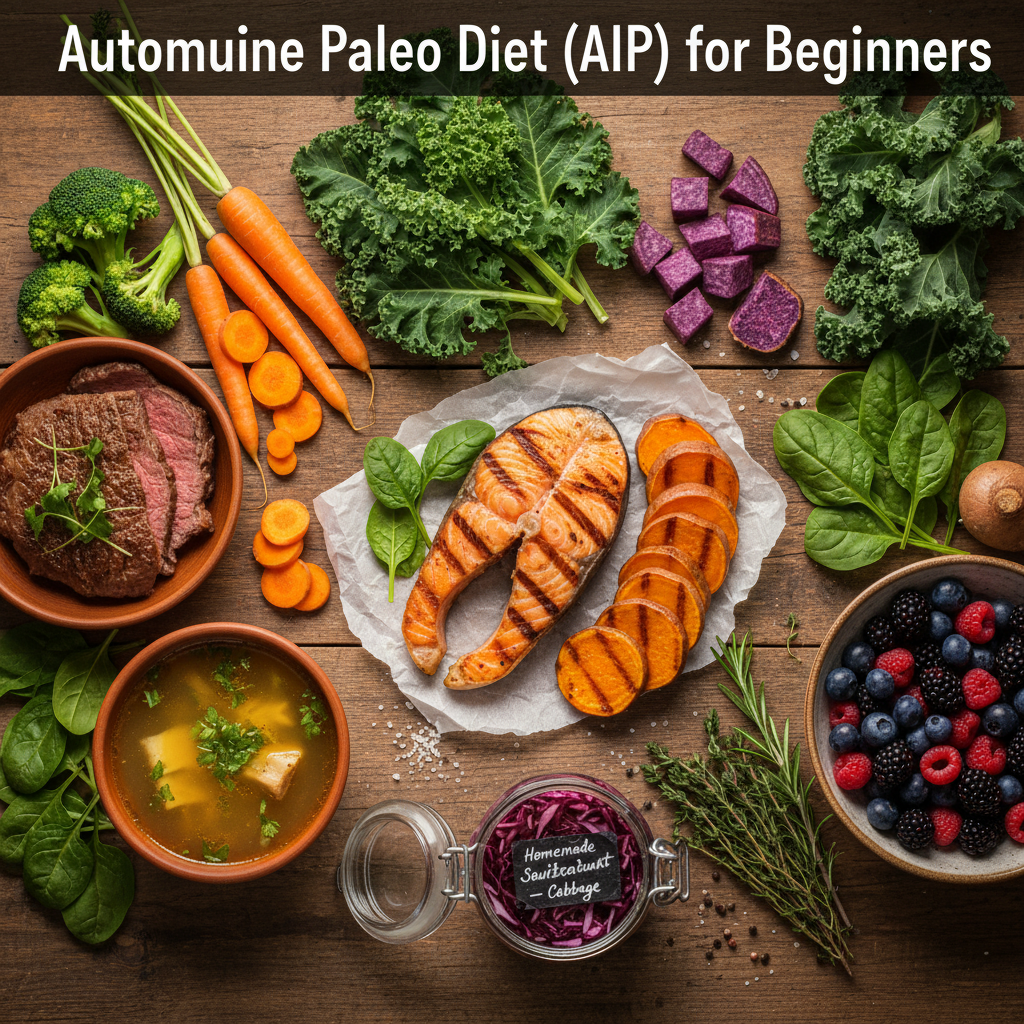
What to Eat (AIP-compliant foods):
- Grass-fed, pasture-raised meats and poultry
- Wild-caught fish and seafood
- Organ meats (liver, heart, kidney)
- Plenty of non-nightshade vegetables (leafy greens, cruciferous, root vegetables, squash)
- Healthy fats (avocado oil, coconut oil, olive oil, lard, tallow)
- Fermented foods (kombucha, sauerkraut, kimchi – ensure no non-compliant ingredients)
- Fruit in moderation (berries are a good choice)
- Herbs and spices (except nightshade-derived like cayenne, paprika)
- Bone broth
- Vinegars (apple cider vinegar)
What to Avoid (AIP non-compliant foods):
- Grains (wheat, corn, rice, oats, quinoa, etc.)
- Legumes (beans, lentils, peanuts, soy)
- Dairy products (milk, cheese, yogurt, butter, ghee is sometimes allowed in maintenance)
- Eggs
- Nightshade vegetables (tomatoes, potatoes, eggplants, peppers, goji berries)
- Nuts and seeds (including coffee, chocolate, seed-based spices)
- Refined sugars and artificial sweeteners
- Industrial seed oils (canola, sunflower, safflower, soybean, etc.)
- Alcohol
- NSAIDs (aspirin, ibuprofen) – consult your doctor before discontinuing any medication
Phase 2: Reintroduction
Once symptoms have significantly subsided, you can begin to systematically reintroduce foods, one at a time, to identify personal triggers. This phase is crucial for personalization and sustainability. Reintroduce one food group every 5-7 days:
- Eat a small amount of the new food.
- Wait 15 minutes and check for symptoms.
- If no symptoms, eat a slightly larger amount.
- Wait 2-3 hours and check again.
- If no symptoms, eat a normal portion.
- Avoid the food for 5-6 days while monitoring for delayed reactions.
- If no reaction, the food is likely safe for you to eat occasionally. If you experience symptoms, remove it again.
Common reintroduction categories include egg yolks, seed-based spices, nuts, nightshades, and dairy. Prioritize foods you miss the most or that offer significant nutritional benefits.
Phase 3: Maintenance
After reintroducing foods, you will have a personalized diet that allows you to manage your autoimmune condition while enjoying as wide a variety of foods as possible. This phase is about finding your individual balance – maintaining symptom remission while living a sustainable, less restrictive lifestyle.
Starting Your AIP Journey: Practical Tips for Beginners
Beginning AIP can seem daunting, but these tips can make the transition smoother.
Meal Planning and Prep
Batch cooking and meal planning are your best friends. Dedicate time each week to prepare ingredients like chopped vegetables, cooked proteins, and homemade bone broth. This prevents impulsive, non-compliant food choices when hunger strikes.
Reading Labels Diligently
Processed foods often contain hidden sugars, gluten, dairy, or other non-compliant ingredients. Learn to scrutinize ingredient lists on all packaged items, even those that seem harmless. Focus on whole, unprocessed foods as much as possible.
Prioritizing Lifestyle Factors
AIP is more than just a diet; it’s a holistic approach to healing. Prioritize adequate sleep (7-9 hours), manage stress through practices like meditation or yoga, and engage in gentle movement. These lifestyle adjustments significantly impact your immune health and recovery.
Seeking Professional Guidance
Working with a functional medicine doctor, nutritionist, or health coach experienced in AIP can provide invaluable support. They can help tailor the protocol to your specific condition, interpret symptoms, and guide you through the reintroduction phase effectively.
Common Challenges and How to Overcome Them
The AIP diet is restrictive, and beginners often face hurdles.
- Feeling Restricted: Focus on the abundance of foods you CAN eat. Experiment with new recipes and flavor combinations. Remind yourself of your “why” – your health goals.
- Social Situations: Plan ahead. Bring your own food to gatherings, eat before you go, or choose restaurants with AIP-friendly options. Communicate your dietary needs to friends and family.
- Nutrient Deficiencies: Ensure you’re eating a wide variety of AIP-compliant foods, including organ meats for iron and vitamins, and plenty of colorful vegetables for micronutrients. Supplementation might be considered under professional guidance.
- “AIP Flu”: Some people experience temporary fatigue, headaches, or irritability as their body adjusts. This usually subsides within a few days to a week. Stay hydrated and prioritize rest.
Is AIP a Forever Diet?
For most individuals, the AIP diet is not intended as a permanent solution in its most restrictive form. It’s a powerful tool to identify triggers and heal the body. The goal is to reach the maintenance phase where you can enjoy a broader range of foods that support your individual health without triggering symptoms. Some people may find they need to stick to a more restrictive diet long-term, while others can reintroduce many previously eliminated foods. The journey is highly personal.
Conclusion
The Autoimmune Paleo Diet (AIP) for beginners offers a structured, evidence-based path to potentially reduce inflammation, heal the gut, and manage autoimmune symptoms. While it requires dedication and careful planning, the potential benefits for your health and well-being can be transformative. Remember to approach AIP with patience, prioritize self-care, and always consult with a healthcare professional before making significant dietary changes. Your body’s ability to heal is remarkable, and AIP can be a powerful catalyst on that journey.