Understanding Your Sensitive Stomach
Before diving into specific foods, it’s crucial to understand what “sensitive stomach” truly means. It’s often a broad term encompassing a range of conditions and symptoms, from occasional discomfort to chronic issues like Irritable Bowel Syndrome (IBS), gastritis, or functional dyspepsia. The common thread is that your digestive system reacts poorly to certain foods, stress, or other environmental factors.
Common Causes of Digestive Sensitivity
- Irritable Bowel Syndrome (IBS): A common disorder affecting the large intestine, causing cramping, abdominal pain, bloating, gas, and diarrhea or constipation, or both.
- Food Intolerances: Unlike allergies, intolerances involve difficulty digesting certain substances (e.g., lactose, gluten sensitivity, fructose malabsorption) leading to digestive upset.
- Gastritis: Inflammation of the stomach lining, often causing upper abdominal pain, nausea, and indigestion.
- Acid Reflux (GERD): When stomach acid frequently flows back into the tube connecting your mouth and stomach (esophagus), irritating its lining.
- Dysbiosis: An imbalance of beneficial and harmful bacteria in the gut, impacting digestion and overall health.
- Stress and Anxiety: The gut-brain axis is powerful; stress can significantly impact digestive function.
Recognizing Your Triggers
One of the most valuable steps in managing a sensitive stomach is identifying your personal triggers. This often involves keeping a food diary, noting what you eat and any symptoms that follow. While general guidelines exist, individual reactions can vary wildly. What soothes one person might upset another. Be patient and observant in this process.
The Pillars of a Sensitive Stomach Diet
Building a diet friendly to a sensitive stomach isn’t just about avoiding problematic foods; it’s about incorporating foundational elements that support healthy digestion.
Hydration is Key
Water is essential for digestion. It helps break down food, allows nutrients to be absorbed, and softens stool, preventing constipation. Dehydration can exacerbate many digestive issues. Aim for at least 8 glasses of water daily, and consider herbal teas like ginger or peppermint, which can have soothing effects (though peppermint can sometimes trigger reflux for some).
Soluble vs. Insoluble Fiber
Fiber is crucial for gut health, but not all fiber is created equal for a sensitive stomach.
- Soluble Fiber: Dissolves in water, forming a gel-like substance. It can help regulate bowel movements, firm up loose stools, and ease constipation. Found in oats, bananas, psyllium, and cooked vegetables.
- Insoluble Fiber: Adds bulk to stool and helps food pass more quickly through the digestive system. While vital for healthy guts, too much can sometimes be irritating for sensitive stomachs, particularly if consumed raw or in large quantities. Found in whole grains, nuts, seeds, and fruit/vegetable skins.
For sensitive stomachs, focusing on soluble fiber and consuming insoluble fiber in moderation, especially from cooked sources, is often recommended.
The Power of Probiotics and Prebiotics
A healthy gut microbiome is fundamental to digestive comfort.
- Probiotics: Live beneficial bacteria and yeasts that can restore balance to the gut. They are found in fermented foods and supplements.
- Prebiotics: Non-digestible fiber compounds that feed the beneficial bacteria in your gut. They are found in foods like oats, bananas, garlic (in small amounts for sensitive guts), and asparagus.
Introducing these strategically can significantly improve digestive health, but always start with small amounts, as some people with very sensitive stomachs might initially react to fermented foods or high-prebiotic items.
Top Healthy Digestion Foods for Sensitive Stomachs
Now, let’s explore the heroes of the kitchen for those with delicate digestive systems. These foods are generally well-tolerated and can help soothe and support your gut.
Soothing Grains and Starches
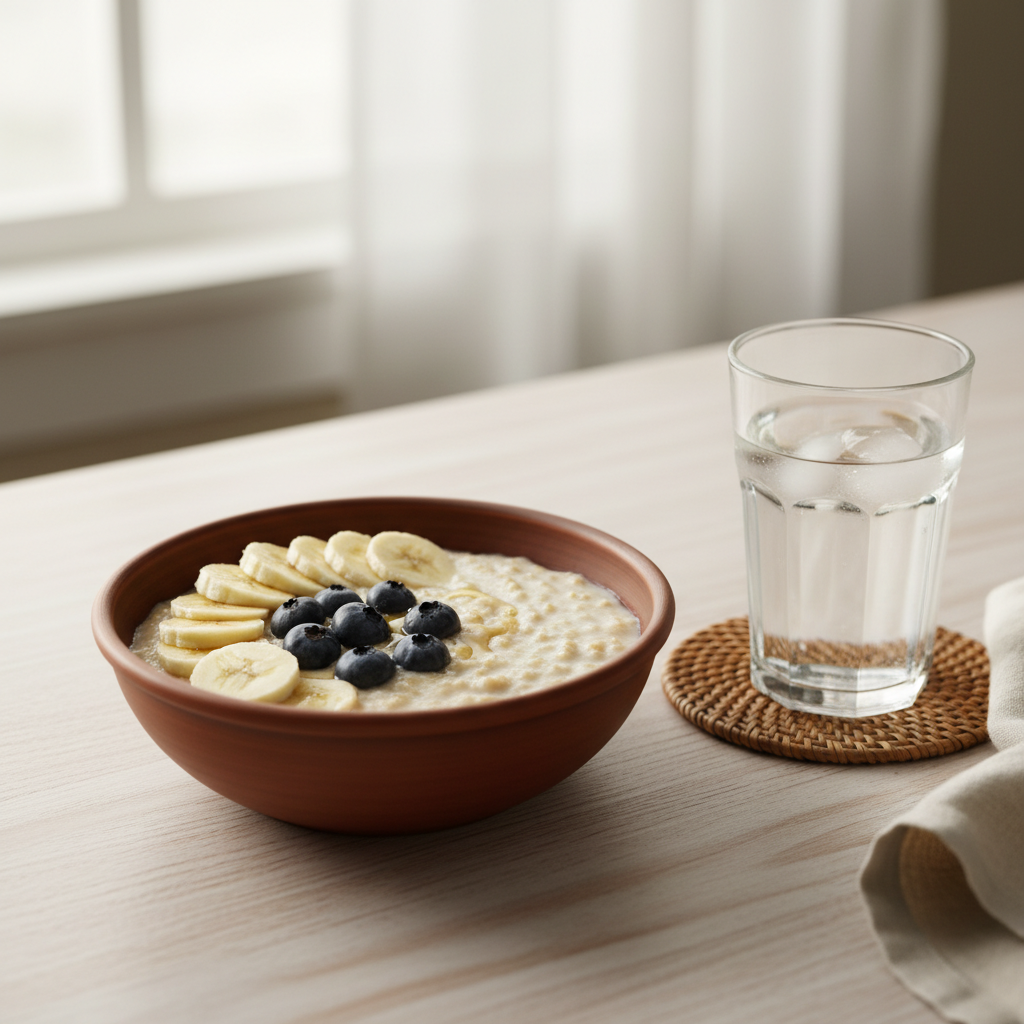
- Oatmeal: A fantastic source of soluble fiber, oatmeal is gentle, filling, and can help regulate bowel movements. Opt for plain, unsweetened rolled oats or steel-cut oats.
- White Rice: Low in fiber and easily digestible, white rice (especially basmati or jasmine) is often recommended during flare-ups or for those with chronic diarrhea.
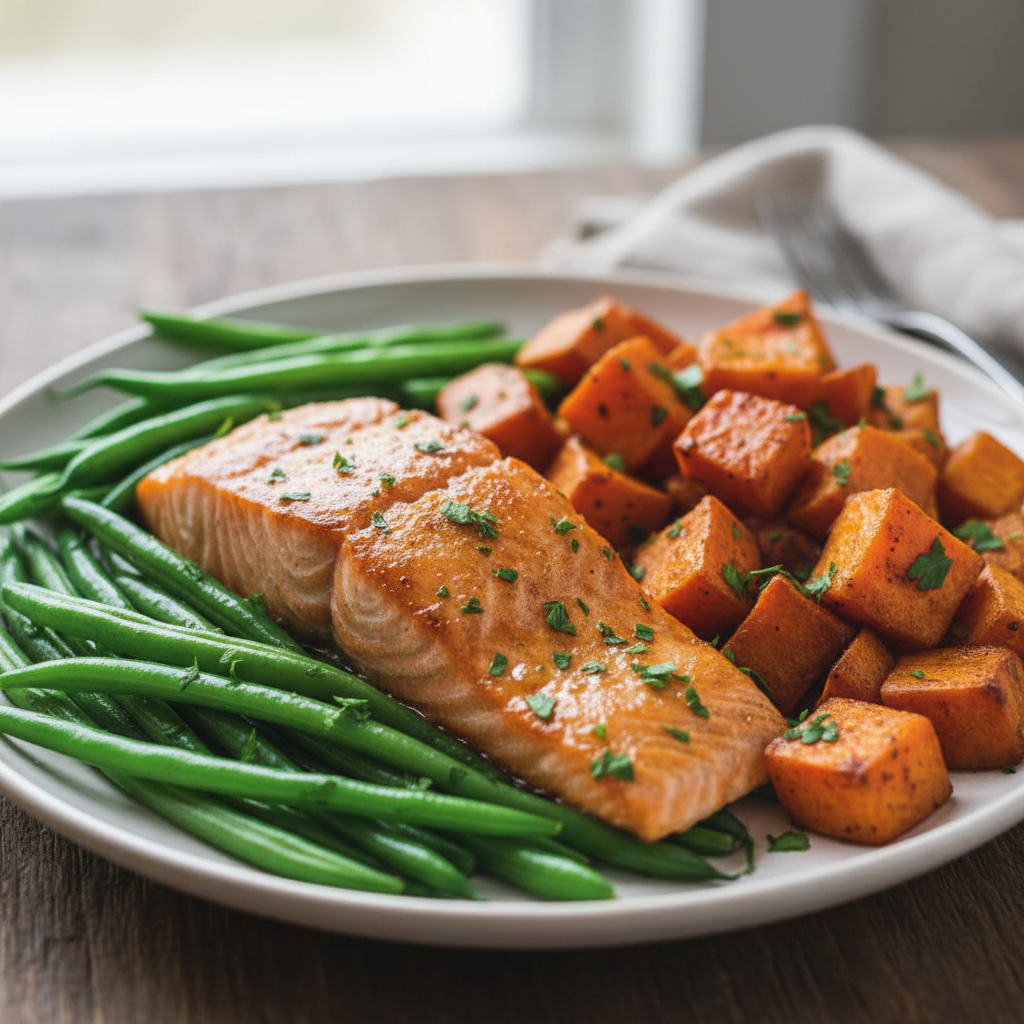
- Sweet Potatoes: Rich in vitamins and soluble fiber, sweet potatoes are a nutrient-dense and easily digestible alternative to regular potatoes for many. Always cook them thoroughly (steamed, baked, or boiled).
- Sourdough Bread: For some, the fermentation process in sourdough breaks down some of the gluten and FODMAPs, making it easier to digest than regular bread. Start with small portions to test tolerance.
Gentle Proteins
- Lean Poultry (Chicken, Turkey): Skinless, boneless chicken or turkey breast, baked, grilled, or poached, provides easily digestible protein without excess fat that can trigger symptoms.
- Fish (Cod, Haddock, Salmon): White fish like cod or haddock are very lean and easy on the digestive system. Salmon and other fatty fish provide beneficial omega-3s, but some with very sensitive stomachs might find the fat content challenging; cooking methods like baking or steaming are key.
- Eggs: A versatile and complete protein source, eggs are generally well-tolerated. Boiled, poached, or scrambled (with minimal added fat) are ideal.
- Tofu/Tempeh: For plant-based protein, plain tofu or tempeh (fermented soy) can be good options, especially if cooked simply. Tempeh’s fermentation may make it even easier to digest for some.
Belly-Friendly Fruits
While fruits are healthy, some are high in FODMAPs or acidity. These options are generally safer:
- Bananas: Low in FODMAPs and rich in potassium, bananas are easy to digest and can help regulate bowel movements.
- Melons (Cantaloupe, Honeydew): High water content and low acidity make these a refreshing and gentle choice.
- Blueberries/Strawberries (in moderation): These berries are generally low in FODMAPs when consumed in smaller portions.
- Papaya: Contains papain, an enzyme that aids in protein digestion, making it a potentially beneficial fruit for sensitive stomachs.
Digestive-Aid Vegetables
Cooked vegetables are often much easier to digest than raw ones. Focus on these:
- Carrots: Cooked carrots are a good source of soluble fiber and vitamins, easily digestible and soothing.
- Spinach: Gently cooked spinach (steamed or lightly sautéed) provides nutrients without excessive fiber bulk.
- Zucchini/Yellow Squash: Mild in flavor and texture, these cooked squashes are very gentle on the digestive tract. Remove seeds for extra ease.
- Green Beans: Cooked well, green beans are a low-FODMAP option that provides vitamins and minerals.
- Fennel (cooked): While sometimes an aromatic, cooked fennel can have anti-inflammatory and gas-reducing properties for some.
Healing Fats
- Avocado: A source of healthy monounsaturated fats and soluble fiber, avocado can be well-tolerated in moderation.
- Olive Oil: Extra virgin olive oil in moderate amounts is a healthy fat that is generally not irritating.
- Coconut Oil: For some, medium-chain triglycerides (MCTs) in coconut oil are easier to digest than other fats.
Probiotic Powerhouses (Introduce Cautiously)
- Plain Yogurt/Kefir: Opt for plain, unsweetened varieties with live active cultures. Start with small amounts to assess tolerance, especially if lactose intolerant. Lactose-free versions are also available.
- Fermented Vegetables (e.g., Sauerkraut, Kimchi): While beneficial, the high fiber and intense fermentation can be too much for very sensitive guts initially. Introduce in very small quantities (1 teaspoon) and gradually increase.
Foods to Approach with Caution (or Avoid)
Just as important as knowing what to eat is understanding what might trigger your symptoms.
High-FODMAP Foods
FODMAPs (Fermentable Oligosaccharides, Disaccharides, Monosaccharides, and Polyols) are types of carbohydrates that can be poorly absorbed in the small intestine, leading to fermentation and digestive symptoms in sensitive individuals. Common high-FODMAP foods include:
- Dairy: (Lactose) Milk, soft cheeses, ice cream (unless lactose-free)
- Certain Fruits: Apples, pears, mangoes, cherries, watermelon
- Certain Vegetables: Onion, garlic, cauliflower, mushrooms, asparagus, broccoli
- Legumes: Beans, lentils (though soaking and cooking can reduce FODMAPs)
- Wheat/Rye: Most breads, pasta, cereals
- Artificial Sweeteners: Sorbitol, mannitol, xylitol
A low-FODMAP diet is often used under guidance to identify specific triggers.
Spicy and Acidic Foods
- Chili Peppers and Spices: Capsaicin can irritate the stomach lining.
- Citrus Fruits: Oranges, lemons, limes, grapefruits can trigger acid reflux for some.
- Tomatoes and Tomato Products: High acidity can be problematic for gastritis or reflux.
- Vinegar: Especially balsamic or red wine vinegar, can be irritating.
Processed Foods and Artificial Sweeteners
- High-Fat and Fried Foods: Can slow digestion and cause discomfort.
- Sugary Drinks and Processed Snacks: Often contain artificial ingredients, high fructose corn syrup, and unhealthy fats that can disrupt the gut.
- Artificial Sweeteners: Can act as FODMAPs and cause bloating and gas.
Beyond Food: Holistic Strategies for Digestive Health
Food is a powerful tool, but true digestive comfort often requires a holistic approach.
Mindful Eating Practices
- Eat Slowly: Savor your food. Chewing thoroughly is the first step in digestion and can prevent swallowing excess air.
- Avoid Overeating: Large meals can overwhelm a sensitive digestive system. Opt for smaller, more frequent meals.
- Eat in a Relaxed Environment: Stress and rushing at mealtime can trigger digestive distress.
Cooking Methods Matter
As a chef, I can’t stress this enough. How you prepare your food is almost as important as the food itself.
- Steaming, Poaching, Baking, Grilling: These methods use minimal added fat and cook food gently, making it easier to digest.
- Avoid Frying: Fried foods are heavy and can be a significant trigger for many sensitive stomachs.
- Peel and Seed: For fruits and vegetables, peeling skins and removing seeds can reduce indigestible fiber and make them gentler.
- Cook Thoroughly: Ensure vegetables are cooked until tender, not crunchy, for easier digestion.
Stress Management
The gut-brain connection is undeniable. Stress, anxiety, and even excitement can send signals to your gut that disrupt digestion. Incorporate stress-reducing activities into your daily routine: meditation, yoga, deep breathing exercises, spending time in nature, or engaging in hobbies you enjoy.
Crafting Your Personalized Meal Plan
Building a diet for a sensitive stomach is a journey, not a destination. Start by introducing foods known for their gentle nature. Pay close attention to how your body reacts. Experiment with cooking methods. Remember, consistency is key. A balanced approach that prioritizes whole, unprocessed, and carefully prepared ingredients will serve your digestive health best.
Consulting with a healthcare professional, such as a gastroenterologist or a registered dietitian specializing in gut health, is highly recommended. They can help diagnose underlying conditions, guide you through elimination diets (like the low-FODMAP diet), and develop a personalized plan that addresses your specific needs.
Embracing healthy digestion foods for sensitive stomachs isn’t about restriction; it’s about empowerment. It’s about discovering a delicious world of ingredients that nourish your body, calm your gut, and allow you to enjoy the simple pleasure of eating without fear. Here’s to a happier, healthier stomach!