Understanding the Sensitive Stomach: More Common Than You Think
A sensitive stomach isn’t a singular diagnosis but rather a broad term encompassing a range of digestive issues that can lead to symptoms like bloating, gas, cramps, nausea, diarrhea, or constipation. Conditions such as Irritable Bowel Syndrome (IBS), acid reflux, gastritis, food intolerances, or simply a general predisposition to digestive upset can all contribute to a “sensitive stomach.” The key to managing these symptoms often lies in understanding your personal triggers and adopting a diet rich in easily digestible, gut-friendly foods.
The goal isn’t just to avoid discomfort, but to actively promote a healthy gut microbiome, strengthen the digestive lining, and reduce inflammation. This proactive approach not only alleviates symptoms but also contributes to overall well-being, energy levels, and even mood.
Key Principles for Eating with a Sensitive Stomach
Before we dive into specific foods, let’s establish some foundational principles that can make a significant difference in how your digestive system responds:
- Mindful Eating: Eat slowly, chew your food thoroughly, and pay attention to your body’s signals of fullness.
- Smaller, More Frequent Meals: Overloading your digestive system can lead to discomfort. Opt for 4-6 smaller meals throughout the day instead of 2-3 large ones.
- Hydration is Key: Drink plenty of water throughout the day, especially between meals, to aid digestion and prevent constipation. Herbal teas can also be soothing.
- Avoid Trigger Foods: This is highly individual, but common culprits include spicy foods, excessive fat, caffeine, alcohol, artificial sweeteners, and certain high-FODMAP foods. Keeping a food journal can help identify your unique triggers.
- Cooking Methods Matter: Steaming, boiling, baking, and stewing are generally gentler on the stomach than frying or grilling with excessive oil.
Top Healthy Digestion Foods for Sensitive Stomachs
Here’s a curated list of foods known for their gentle nature and digestive benefits, perfect for incorporating into your diet if you have a sensitive stomach.
Soothing Grains and Starches
Complex carbohydrates are vital for energy, but some can be harsh on a sensitive system. Focus on these easily digestible options:

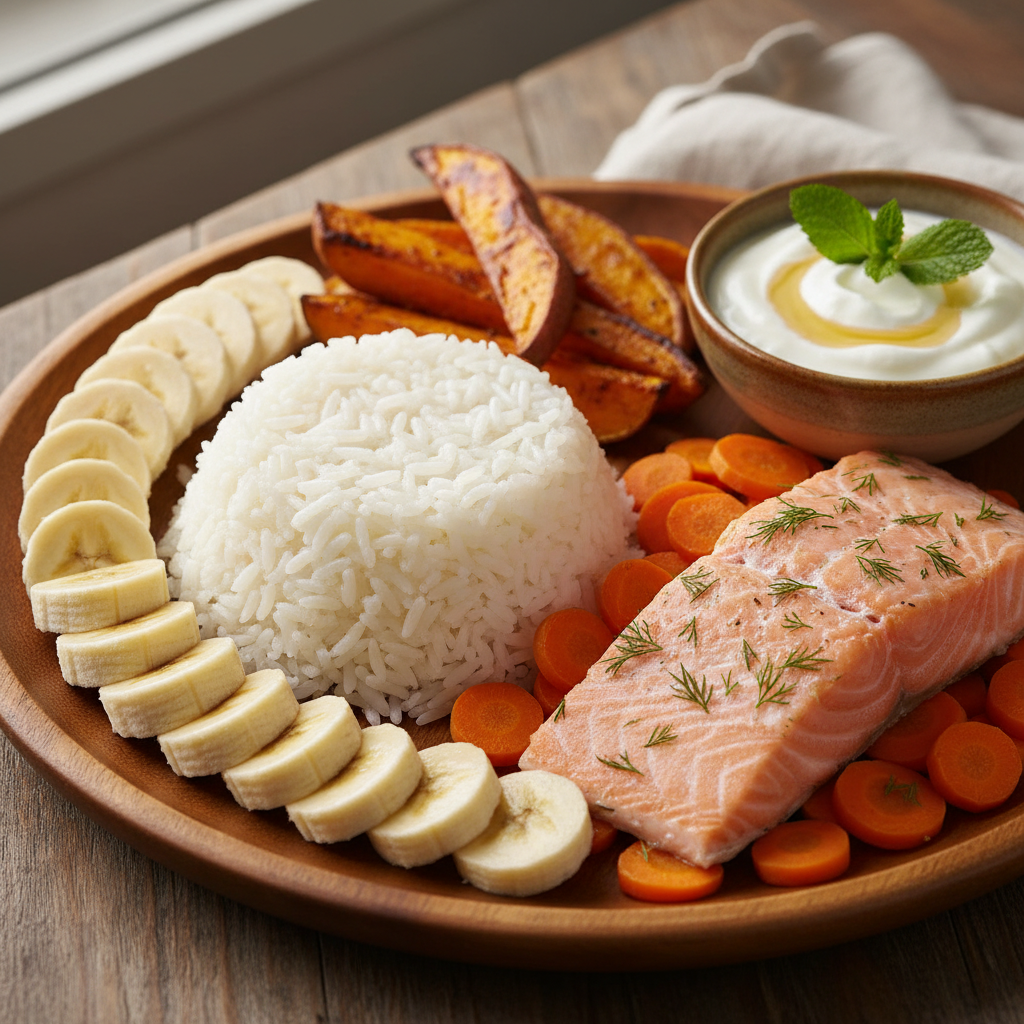
- White Rice: Low in fiber and easily digestible, white rice (especially plain) is often recommended during periods of digestive upset. It provides quick energy without irritating the gut. Brown rice, while nutritious, can be too fibrous for some sensitive stomachs.
- Oats: A fantastic source of soluble fiber, oats can help regulate bowel movements and soothe the digestive tract. Opt for rolled oats or instant oats, cooked thoroughly with water or lactose-free milk. Start with small portions to assess tolerance.
- Quinoa: This complete protein and gluten-free grain is a good alternative to rice and pasta. It’s rich in fiber, but generally well-tolerated when cooked properly, offering essential nutrients without excessive bulk.
- Sweet Potatoes: Unlike their more fibrous counterparts, sweet potatoes are often gentle on the stomach. They are packed with vitamins A and C, and their soluble fiber contributes to healthy digestion. Bake or steam them until very soft.
Gentle Proteins
Protein is essential for tissue repair and satiety, but some sources can be tough to break down. Choose lean, unprocessed options:
- Lean Poultry (Chicken, Turkey): Skinless, boneless chicken or turkey breast, baked, boiled, or grilled without excessive seasoning or oil, is an excellent source of easily digestible protein.
- Fish (Cod, Tilapia, Salmon): White fish like cod and tilapia are very lean and mild, making them ideal for sensitive stomachs. Fatty fish like salmon, rich in omega-3s, can also be beneficial in moderate portions, providing anti-inflammatory benefits.
- Eggs: A versatile and highly digestible protein source. Scrambled, poached, or boiled eggs are generally well-tolerated.
- Tofu and Tempeh: For plant-based protein, plain, firm tofu or tempeh can be good options. Ensure they are well-cooked and integrated into dishes rather than fried. Fermented tempeh can offer additional probiotic benefits for some.
Gut-Friendly Fruits
Fruits provide vitamins and fiber, but some can be high in fructose or cause gas. Stick to these gentle choices:
- Bananas: Soft, easily digestible, and rich in pectin (a soluble fiber that can help normalize bowel function) and potassium. They are often recommended for calming an upset stomach.
- Melons (Cantaloupe, Honeydew): High in water content, these fruits are hydrating and gentle on the digestive system. Their mild flavor and low acidity make them a good choice.
- Ripe Berries (Strawberries, Blueberries): While some berries can be seedy, ripe strawberries and blueberries in moderation are generally well-tolerated. They provide antioxidants and a modest amount of fiber.
- Papaya: Contains papain, an enzyme that aids in protein digestion, making it a wonderful fruit for sensitive stomachs.
- Avocado: While technically a fruit, it’s often used as a healthy fat. It’s creamy, easy to digest, and rich in beneficial fats and potassium.
Non-Irritating Vegetables
Vegetables are crucial for nutrients and fiber, but raw or cruciferous varieties can be problematic. Focus on cooked, low-fiber options:
- Cooked Carrots: Easily digestible and rich in vitamins and antioxidants. Steamed or boiled carrots are a sweet and gentle addition to meals.
- Zucchini: Mild in flavor and texture when cooked, zucchini is low in fiber and can be incorporated into many dishes without causing distress.
- Spinach and Other Leafy Greens (cooked): While raw greens can be challenging, cooked spinach (steamed or sautéed lightly) is a good source of vitamins and minerals.
- Pumpkin and Winter Squash: Rich in vitamins and soluble fiber, these cooked vegetables are creamy and soothing. Pumpkin puree is excellent for digestive comfort.
- Green Beans: When thoroughly cooked, green beans are a good source of vitamins and minerals without being overly fibrous.
Probiotic Powerhouses (In Moderation)
Foods rich in probiotics can introduce beneficial bacteria to your gut, but some people with sensitive stomachs may need to introduce them slowly or choose specific types.
- Plain Yogurt or Kefir (Lactose-Free if Needed): Fermented dairy products contain live cultures that support gut health. If you are lactose intolerant, opt for lactose-free versions or plant-based alternatives with live active cultures.
- Fermented Vegetables (Sauerkraut, Kimchi – start small): These can be excellent sources of probiotics, but their acidity and fiber content can be overwhelming for some. Start with very small portions and monitor your response.
Healthy Fats and Liquids
Fats are important but should be consumed in moderation, and liquids are vital for digestive function.
- Olive Oil: A healthy monounsaturated fat that is generally well-tolerated. Use it for cooking or as a dressing in moderation.
- Herbal Teas: Peppermint, ginger, chamomile, and fennel teas are known for their soothing properties and can help alleviate digestive discomfort.
- Water: The most crucial liquid for digestion. Staying well-hydrated helps move food through the digestive tract and prevents constipation.
Foods to Approach with Caution or Avoid
While individual triggers vary, here are common culprits that can exacerbate symptoms in sensitive stomachs:
- High-FODMAP Foods: For many with IBS, foods high in Fermentable Oligosaccharides, Disaccharides, Monosaccharides, and Polyols (FODMAPs) can cause significant distress. Examples include onions, garlic, beans, lentils, wheat, rye, certain fruits (apples, pears, mangoes), and some artificial sweeteners.
- Spicy Foods: Capsaicin, the compound in chili peppers, can irritate the stomach lining and trigger heartburn or diarrhea in sensitive individuals.
- High-Fat and Fried Foods: These can slow down digestion and increase the workload on your stomach, leading to indigestion, bloating, and discomfort.
- Highly Acidic Foods: Citrus fruits, tomatoes, and vinegar can sometimes trigger acid reflux or heartburn.
- Caffeine and Alcohol: Both can irritate the digestive tract and act as diuretics, potentially disrupting fluid balance.
- Artificial Sweeteners: Many sugar alcohols (e.g., sorbitol, xylitol) can have a laxative effect and cause gas or bloating.
- Cruciferous Vegetables (Raw): Broccoli, cauliflower, cabbage, and Brussels sprouts are nutritious but can produce a lot of gas due to their complex carbohydrates when eaten raw. Cooking them thoroughly can help, but some may still struggle.
Practical Tips for a Happy Gut
- Keep a Food Journal: This is arguably the most powerful tool for a sensitive stomach. Log everything you eat and drink, along with any symptoms you experience. Over time, patterns will emerge, helping you identify your personal trigger foods.
- Stress Management: The gut-brain axis is powerful. Stress and anxiety can significantly impact digestion. Incorporate stress-reducing activities like meditation, yoga, deep breathing, or spending time in nature.
- Consult a Professional: While dietary changes can offer significant relief, it’s crucial to consult a doctor or a registered dietitian, especially if symptoms are persistent, severe, or new. They can help rule out underlying conditions and provide personalized dietary advice.
- Proper Food Preparation: Always wash fruits and vegetables thoroughly. Cook meats to safe internal temperatures. Cross-contamination can also trigger stomach issues.
- Listen to Your Body: Everyone’s digestive system is unique. What works for one person might not work for another. Be patient, experiment thoughtfully, and trust your intuition.
Crafting Your Sensitive Stomach Meal Plan
As a chef, I believe that eating for a sensitive stomach doesn’t mean sacrificing flavor or variety. It means smart substitutions, gentle cooking, and creative pairings. Imagine a breakfast of creamy oatmeal with sliced banana and a drizzle of maple syrup, or a lunch featuring baked salmon with steamed zucchini and a side of white rice. For dinner, a comforting chicken and sweet potato stew, slow-cooked to perfection, can be both nourishing and delicious. The key is to focus on whole, unprocessed foods and prepare them in ways that make them easy on your digestive system.
Embracing a diet rich in healthy digestion foods for sensitive stomachs is a journey of discovery, not deprivation. By focusing on gentle, nourishing ingredients and mindful eating practices, you can transform your relationship with food, alleviate discomfort, and cultivate a truly happy and healthy gut. Your sensitive stomach doesn’t have to dictate your life; with the right choices, you can enjoy delicious, satisfying meals that make you feel your best.