If you live with a sensitive stomach, finding healthy digestion foods that offer comfort rather than conflict can feel like a constant quest. Digestive discomfort, bloating, pain, and unpredictable bowel movements can significantly impact your quality of life, making every meal a potential source of anxiety. As a chef who understands the intricate relationship between food and well-being, I know that the right ingredients, prepared thoughtfully, can be a powerful balm for a troubled gut. This guide will walk you through a delicious and gentle approach to eating, focusing on easily digestible foods that support a happier, healthier digestive system.
Understanding Your Sensitive Stomach
A sensitive stomach isn’t a single condition but a broad term encompassing various digestive issues, including Irritable Bowel Syndrome (IBS), acid reflux, gastritis, food sensitivities, or general discomfort. Common symptoms often include abdominal pain, bloating, gas, diarrhea, constipation, and nausea. The key characteristic is that certain foods or eating habits trigger these symptoms, even if those foods are generally considered healthy for others. The goal, therefore, is to identify and embrace foods that are gentle, anti-inflammatory, and easy for your digestive system to process, reducing irritation and promoting gut health.

Core Principles for a Happy Gut
Before diving into specific foods, it’s crucial to establish some foundational principles for eating with a sensitive stomach:
- Listen to Your Body: Everyone’s digestive system is unique. What works for one person might not work for another. Pay close attention to how different foods make you feel.
- Eat Slowly and Mindfully: Rushing meals can lead to swallowing excess air and poor digestion. Savor your food, chew thoroughly, and allow your body time to signal fullness.
- Stay Hydrated: Water is essential for proper digestion and nutrient absorption. Sip water throughout the day, but avoid large quantities with meals, which can dilute digestive enzymes.
- Smaller, More Frequent Meals: Overloading your digestive system with large meals can be taxing. Opt for smaller portions spread throughout the day to ease the digestive load.
- Simple Ingredients: Complex dishes with many different ingredients can be harder to digest. Stick to simpler preparations and fewer ingredients when possible.
The Gentle Giants: Top Foods for Sensitive Stomachs
Here are some of the best healthy digestion foods known for their gentle nature and their ability to nourish a sensitive gut.
Easily Digestible Proteins
Proteins are vital for bodily functions, but some can be tough on a sensitive stomach. Focus on lean, well-cooked options:
- Chicken and Turkey (Skinless, Boneless): Lean poultry, especially breast meat, is easy to digest when baked, poached, or grilled simply.
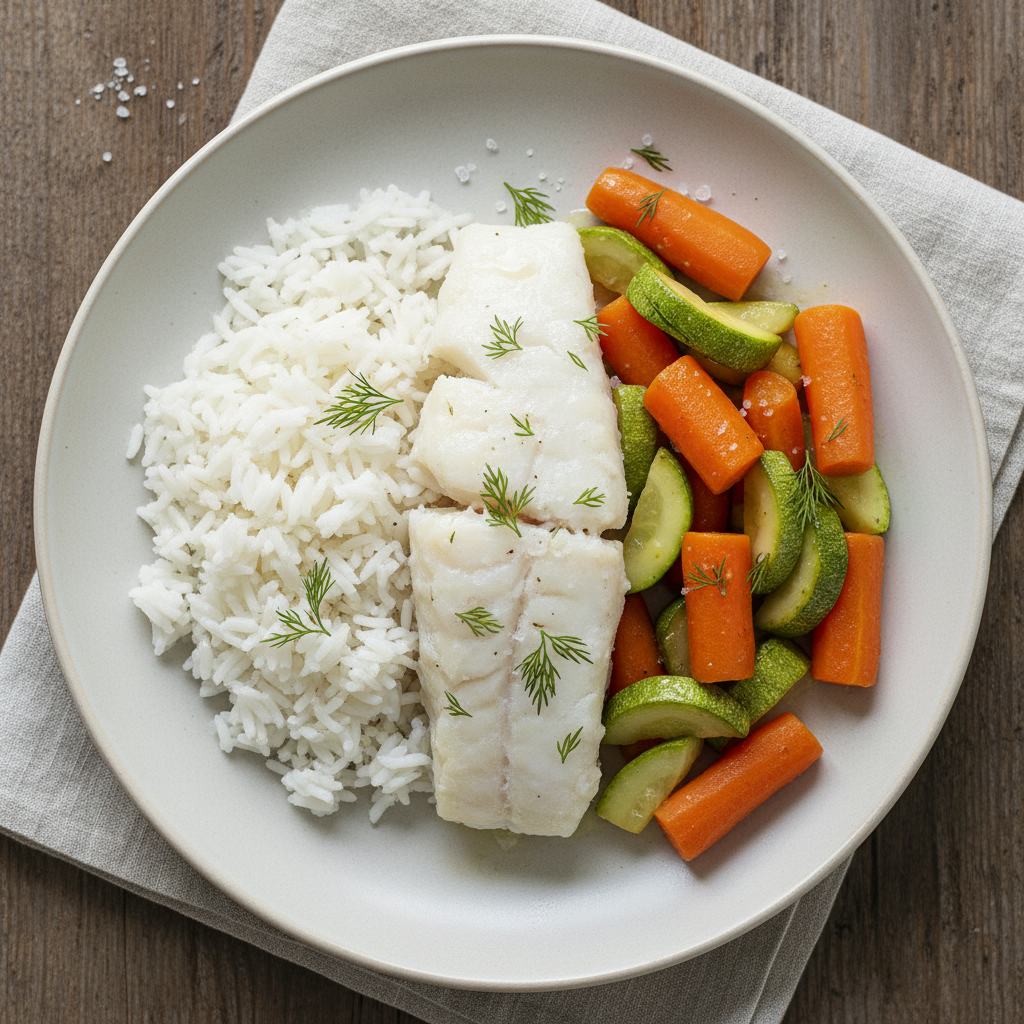
- Fish (White Fish like Cod, Tilapia, Haddock): These are low in fat and cook quickly, making them very gentle on the stomach. Omega-3 rich salmon can also be tolerated by many in moderation.
- Eggs: A versatile and highly digestible protein source. Scrambled, poached, or boiled are often well-tolerated.
- Tofu (Plain, Firm or Silken): A plant-based protein that is generally considered easy to digest for many, especially when plain and gently prepared.
Soothing Grains and Starches
While some whole grains can be tough due to high fiber, many are excellent choices when prepared correctly.
- Oats: Old-fashioned rolled oats or steel-cut oats, cooked into a creamy porridge, provide soluble fiber that can be soothing and help regulate bowel movements. Avoid instant, sugary varieties.
- White Rice: While brown rice offers more fiber, white rice is often preferred for sensitive stomachs due to its lower fiber content, making it easier to digest.
- Quinoa: A complete protein and gluten-free grain, quinoa is generally well-tolerated and offers a good source of nutrients.
- Sweet Potatoes: Rich in vitamins and minerals, sweet potatoes are a fantastic source of digestible carbohydrates and fiber, especially when baked or boiled.
- Potatoes (White): Peeled and boiled or baked, white potatoes are a bland, easily digestible starch that can be very comforting.
Fruitful Comfort
Fruits provide essential vitamins and antioxidants, but their fiber and sugar content can sometimes be problematic. Opt for these gentle options:
- Bananas: Low in acid and high in potassium, bananas are well-known for their stomach-soothing properties.
- Melons (Cantaloupe, Honeydew): High water content makes these fruits hydrating and generally easy to digest.
- Cooked Apples and Pears: Raw apples and pears can be challenging due to their skin and higher fiber. Cooking them (e.g., applesauce or baked pears) breaks down the fibers, making them much gentler.
- Blueberries: Often well-tolerated and packed with antioxidants.
Veggies That Don’t Vex
Many vegetables are incredibly healthy, but some can cause gas and bloating. Focus on cooked, low-fiber options initially.
- Cooked Carrots: Soft, sweet, and rich in beta-carotene. Steamed or boiled are best.
- Zucchini and Yellow Squash: These mild, high-water-content vegetables are excellent when steamed, roasted, or sautéed lightly.
- Spinach: Cooked spinach is a nutrient powerhouse that is generally easy on the digestive system.
- Pumpkin and Butternut Squash: Creamy, comforting, and packed with vitamins, these are excellent choices for purées or roasted sides.
- Green Beans: Steamed green beans are often well-tolerated.
The Power of Probiotics (with Caution)
Probiotics are beneficial bacteria that can support gut health. However, some sensitive stomachs may initially react to them, so introduce them slowly.
- Plain, Unsweetened Yogurt or Kefir: Look for products with “live and active cultures.” Start with small amounts to see how your body reacts. Lactose-free versions are available if dairy is an issue.
- Fermented Vegetables (e.g., Sauerkraut, Kimchi): While incredibly gut-healthy, the fermentation process can be strong for some sensitive stomachs. Try very small portions if you’re curious, or opt for pasteurized versions initially.
Healthy Fats for Gentle Lubrication
Fats are crucial for nutrient absorption but can slow digestion. Choose healthy fats in moderation.
- Avocado: A source of healthy monounsaturated fats and fiber, often well-tolerated.
- Olive Oil: Use extra virgin olive oil for cooking at lower temperatures or as a dressing.
Herbal Allies and Hydration
- Ginger Tea: Known for its anti-nausea and digestive aid properties. Fresh ginger steeped in hot water is a simple, effective remedy.
- Peppermint Tea: Can help relax the digestive tract and alleviate gas and bloating for some, though it may worsen acid reflux in others.
- Chamomile Tea: A mild, calming tea that can help soothe an upset stomach and promote relaxation.
- Water: The simplest yet most vital component for healthy digestion. Ensure adequate intake throughout the day.
Foods to Approach with Caution (or Avoid)
Just as important as knowing what to eat is knowing what to limit or avoid when you have a sensitive stomach. These foods often trigger or exacerbate symptoms:
- High-FODMAP Foods: For many with IBS, a low-FODMAP diet can be transformative. FODMAPs (Fermentable Oligosaccharides, Disaccharides, Monosaccharides, and Polyols) are types of carbohydrates that can cause digestive distress. Common high-FODMAP foods include garlic, onions, wheat, certain fruits (apples, pears, mangoes), dairy with lactose, and some artificial sweeteners. Consulting a dietitian experienced in low-FODMAP diets is highly recommended.
- Spicy and Acidic Foods: Chilies, hot sauces, and highly acidic foods like tomatoes and citrus can irritate the stomach lining.
- Fried and Fatty Foods: These are difficult for the digestive system to break down and can lead to indigestion, heartburn, and discomfort.
- Artificial Sweeteners and Highly Processed Items: Many artificial sweeteners (sorbitol, mannitol, xylitol) can act as laxatives or cause bloating. Highly processed foods often contain additives, unhealthy fats, and sugars that disrupt digestion.
- Caffeine and Alcohol: Both can irritate the digestive tract and act as diuretics, potentially exacerbating symptoms.
- Carbonated Drinks: The bubbles can lead to increased gas and bloating.
Culinary Techniques for Digestive Harmony
How you prepare your food is just as important as what you choose to eat:
- Steaming: A gentle cooking method that preserves nutrients and makes vegetables tender and easy to digest.
- Baking/Roasting: Using minimal healthy fats, baking and roasting can create flavorful, digestible meals.
- Poaching: Excellent for cooking fish and chicken without added fats.
- Simmering/Slow Cooking: Ideal for creating comforting soups, stews, and broths that are packed with nutrients and easy on the stomach. Chicken broth, for instance, can be incredibly soothing.
- Simple Seasoning: Stick to mild herbs (parsley, basil, oregano) and a pinch of salt. Avoid excessive spices or strong flavorings.
Lifestyle Habits Beyond the Plate
Your digestive health isn’t solely dependent on what you eat. Lifestyle factors play a significant role:
- Stress Management: The gut-brain axis is powerful. Stress can directly impact digestion. Incorporate stress-reducing activities like meditation, yoga, or deep breathing.
- Adequate Sleep: Rest allows your body to repair and reset, including your digestive system.
- Regular Movement: Gentle exercise can help stimulate bowel movements and reduce bloating.
When to Seek Professional Guidance
While dietary changes can significantly improve symptoms, it’s crucial to consult a healthcare professional if you experience persistent or severe digestive issues. A doctor or a registered dietitian can help diagnose underlying conditions, rule out serious problems, and provide personalized dietary advice, especially for conditions like IBS, Crohn’s disease, or ulcerative colitis.
Conclusion
Navigating a sensitive stomach requires patience, experimentation, and a commitment to nurturing your body from the inside out. By focusing on healthy digestion foods that are gentle, nourishing, and prepared with care, you can transform your relationship with food from one of fear to one of comfort and enjoyment. Embrace these “gentle giants” in your kitchen, listen attentively to your body’s signals, and you’ll be well on your way to achieving digestive harmony and a significantly improved quality of life.