Living with a sensitive stomach can often feel like navigating a minefield, where every meal presents a potential challenge. The discomfort, bloating, and unpredictable reactions can significantly impact your quality of life. But what if you could turn mealtime into an opportunity for healing and comfort? The good news is that by focusing on healthy digestion foods for a sensitive stomach, you can cultivate a more harmonious internal environment, soothe irritation, and support a robust gut microbiome. As a professional chef with a deep understanding of ingredients and their impact on the body, I’m here to guide you through a delicious and effective journey to digestive wellness.
Understanding Your Sensitive Stomach
What Makes a Stomach “Sensitive”?
A sensitive stomach isn’t a single condition but rather a broad term encompassing various digestive complaints. It might manifest as irritable bowel syndrome (IBS), acid reflux, chronic bloating, gas, abdominal pain, or a general feeling of unease after eating. Often, this sensitivity stems from an imbalance in gut bacteria, inflammation, food intolerances, or simply a digestive system that reacts strongly to certain irritants. The key to managing it lies in identifying gentle, nourishing foods that support the gut without causing distress.
The Goal: Gentle Nourishment
Our objective isn’t just to avoid trigger foods, but actively incorporate ingredients that promote healing and comfort. This means choosing foods that are easy to digest, rich in prebiotics and probiotics to foster beneficial bacteria, anti-inflammatory to calm irritation, and high in soluble fiber to regulate bowel movements without excessive bulk or gas. It’s about creating a balanced, happy ecosystem within your digestive tract.
Pillars of Digestive Comfort: Key Food Categories
1. Probiotic Powerhouses: Cultivating a Healthy Gut Microbiome
Probiotics are live microorganisms, often referred to as “good bacteria,” that, when consumed in adequate amounts, confer a health benefit on the host. They help balance your gut flora, improve digestion, and may even boost your immune system. For a sensitive stomach, choose plain, unsweetened options to avoid added sugars and artificial ingredients that can sometimes exacerbate symptoms.
- Plain Yogurt: Look for varieties with “live and active cultures.” Opt for dairy-free alternatives if lactose is a trigger.
- Kefir: A fermented milk drink, kefir often contains a wider variety of probiotic strains than yogurt and may be better tolerated by some individuals with lactose sensitivity due to the fermentation process.
- Sauerkraut & Kimchi: These fermented vegetables are excellent sources of probiotics. Start with small portions and ensure they are unpasteurized to retain beneficial bacteria.
- Miso: A fermented soybean paste used in Japanese cuisine, miso is a flavorful way to incorporate probiotics into soups and dressings.
- Tempeh: Another fermented soy product, tempeh is firm, nutty, and a great source of protein and probiotics.
2. Prebiotic Pals: Feeding Your Beneficial Bacteria
Prebiotics are non-digestible food components that selectively stimulate the growth and activity of beneficial bacteria in the colon. Think of them as food for your probiotics. While some prebiotics can be problematic for very sensitive stomachs (especially those high in FODMAPs), many can be introduced cautiously.
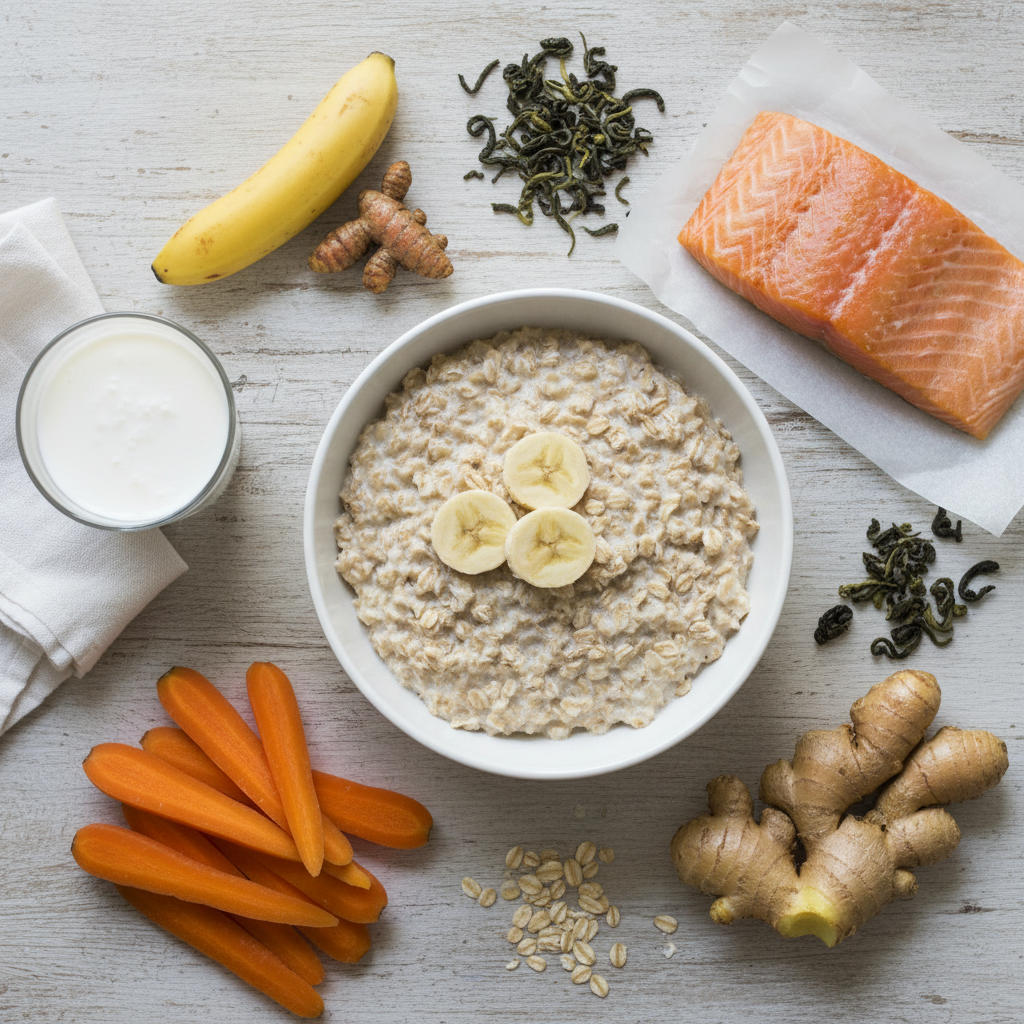
- Oats: A fantastic source of soluble fiber and prebiotics. Opt for rolled oats or steel-cut oats, cooked simply.
- Bananas: Especially ripe bananas, provide prebiotics and are generally well-tolerated.
- Asparagus: Cooked asparagus can be a good source of prebiotics for some, but monitor your individual tolerance.
- Flaxseeds: Ground flaxseeds offer both soluble fiber and prebiotics, aiding regularity and gut health. Start with small amounts (e.g., 1 teaspoon) and gradually increase.
- Cooked Garlic & Onions: While raw garlic and onions can be digestive triggers for many, cooking them thoroughly can reduce their FODMAP content, making them more tolerable for some to enjoy their prebiotic benefits. Always test your personal tolerance.
3. Soluble Fiber Superstars: Gentle Bulk and Regularity
Soluble fiber absorbs water to form a gel-like substance, which can help soften stool and regulate bowel movements, preventing both constipation and diarrhea. It’s often better tolerated than insoluble fiber for sensitive stomachs, as it creates less gas.
- Oats: (Yes, again!) A versatile champion for digestive health.
- Peeled Apples & Pears: Peeling removes much of the insoluble fiber, making them gentler. Cooking them further breaks down fibers.
- Cooked Carrots: Soft and easy to digest, cooked carrots provide soluble fiber and essential nutrients.
- Sweet Potatoes: A comforting, nutritious source of soluble fiber that’s generally well-tolerated.
- Psyllium Husk: A powerful soluble fiber supplement often recommended by doctors to help regulate bowel habits for IBS patients. Always start with a small dose and drink plenty of water.
4. Lean Proteins: Easy on the System
Proteins are essential for overall health, but heavy, fatty cuts can be challenging for a sensitive stomach. Opt for lean, easily digestible sources that provide necessary nutrients without overloading your digestive system.
- Skinless Chicken Breast & Turkey: Poached, baked, or grilled, these are excellent lean protein options.
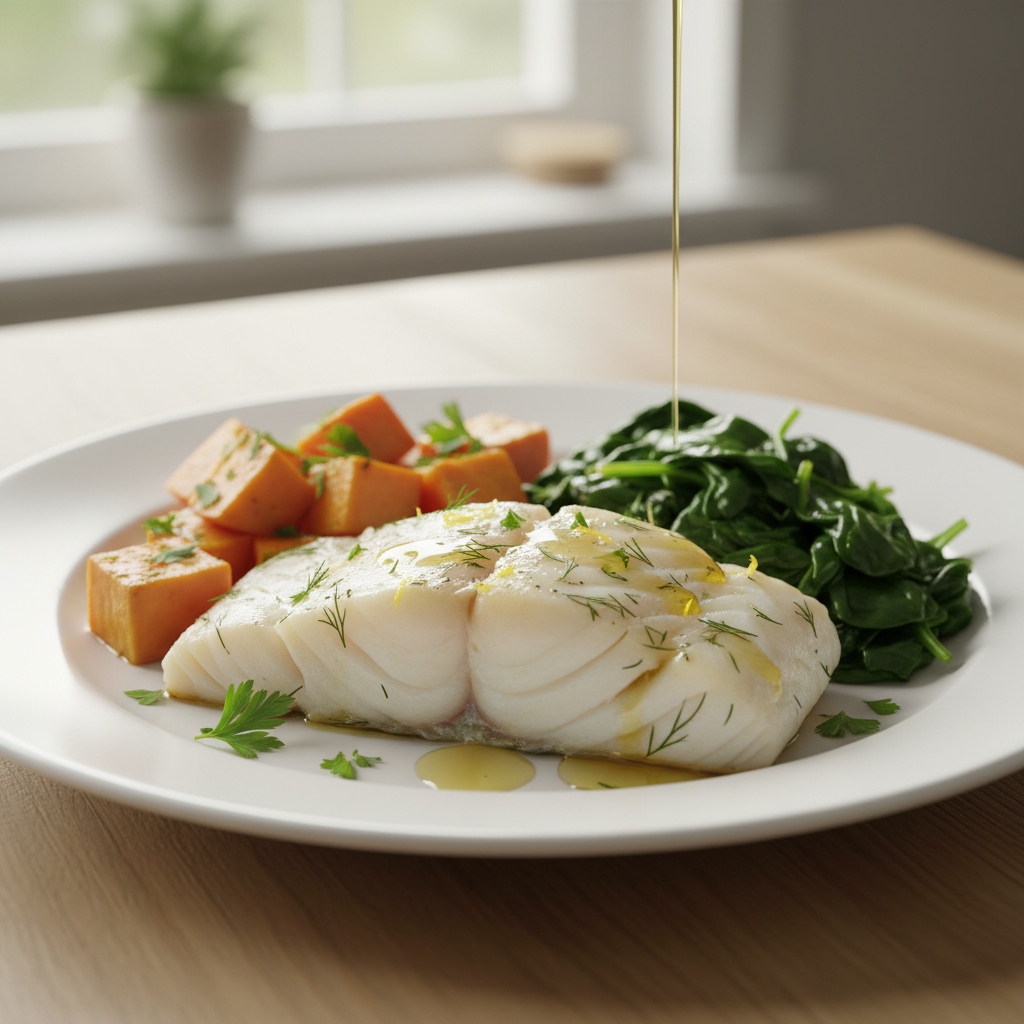
- Fish: White fish like cod, haddock, and sole are very lean and easy to digest. Salmon and other fatty fish provide beneficial omega-3s, but monitor portion sizes as fat can slow digestion for some.
- Eggs: A versatile and complete protein. Scrambled, poached, or boiled eggs are generally well-tolerated.
- Tofu: Plain, firm tofu is a good plant-based protein that’s often easy on the digestive system.
5. Anti-Inflammatory Allies: Soothing Discomfort
Inflammation in the gut can be a major contributor to sensitivity and discomfort. Incorporating foods with natural anti-inflammatory properties can help calm irritation and promote healing.
- Turmeric: Contains curcumin, a powerful anti-inflammatory compound. Combine with black pepper to enhance absorption.
- Ginger: Known for its ability to soothe nausea and reduce digestive spasms. Enjoy as a tea or added to meals.
- Green Tea: Rich in antioxidants and has anti-inflammatory properties.
- Berries: Blueberries, strawberries, and raspberries are packed with antioxidants. Enjoy in moderation, especially if you’re sensitive to fruit sugars.
- Cooked Leafy Greens: Spinach, kale, and collard greens, when cooked until tender, are easier to digest than raw versions and provide vital nutrients.
6. Gentle Fats: Essential for Health, Mindful for Digestion
While too much fat can trigger symptoms in sensitive stomachs, healthy fats are crucial for nutrient absorption and overall health. Focus on unsaturated fats in moderation.
- Avocado: A creamy source of healthy monounsaturated fats and fiber. Enjoy in sensible portions.
- Olive Oil: Extra virgin olive oil, used in dressings or for gentle cooking, provides healthy fats and anti-inflammatory compounds.
- Flaxseed Oil: Rich in omega-3 fatty acids, can be drizzled over cooked foods or added to smoothies.
Foods to Approach with Caution (or Avoid) for a Sensitive Stomach
While individual triggers vary greatly, certain foods and food categories are notorious for causing digestive distress in sensitive individuals. It’s crucial to identify your personal triggers through careful observation or an elimination diet.
- High FODMAP Foods: Fermentable Oligo-, Di-, Mono-saccharides And Polyols are short-chain carbohydrates that can be poorly absorbed in the small intestine, leading to fermentation and gas in the colon. Common examples include wheat, rye, legumes, some fruits (apples, mangoes), certain vegetables (broccoli, cabbage), and dairy (lactose).
- Spicy Foods: Capsaicin in chili peppers can irritate the digestive lining and trigger symptoms like heartburn or abdominal pain.
- Fried and Greasy Foods: High fat content can slow down digestion, leading to bloating, discomfort, and reflux.
- Artificial Sweeteners: Sorbitol, mannitol, and xylitol are common culprits that can cause gas, bloating, and diarrhea.
- Excessive Caffeine and Alcohol: Both can irritate the digestive tract and act as diuretics, potentially exacerbating symptoms.
- Carbonated Drinks: The bubbles can introduce excess air into the digestive system, leading to bloating and gas.
- Processed Foods: Often high in unhealthy fats, sugars, and artificial additives that can disrupt gut balance.
- Raw Cruciferous Vegetables: While healthy, raw broccoli, cauliflower, and cabbage can be hard to digest for some due to their high fiber content and specific compounds. Cooking them thoroughly can help.
Beyond Food: Lifestyle Tips for Digestive Harmony
Diet is paramount, but a holistic approach to digestive health includes several lifestyle adjustments that can significantly impact your sensitive stomach.
- Mindful Eating: Chew your food thoroughly, eat slowly, and pay attention to your body’s signals of fullness. Eating too quickly can lead to swallowing excess air and poor digestion.
- Hydration: Drink plenty of water throughout the day to support regular bowel movements and overall digestive function. Herbal teas like peppermint or ginger can also be soothing.
- Stress Management: The gut-brain axis is powerful. Stress can directly impact digestive function. Incorporate stress-reducing activities like meditation, yoga, deep breathing exercises, or spending time in nature.
- Regular Exercise: Physical activity can stimulate bowel movements and reduce bloating. Even a gentle walk after meals can be beneficial.
- Adequate Sleep: Your body repairs and regenerates during sleep. Chronic sleep deprivation can negatively affect gut health and inflammation.
- Consulting a Professional: If symptoms persist or worsen, always consult with a doctor or a registered dietitian specializing in gut health. They can help diagnose underlying conditions and provide personalized dietary advice.
Crafting Your Sensitive Stomach Meal Plan (Chef’s Perspective)
As a chef, my advice is to keep it simple, fresh, and gently prepared. Focus on whole, unprocessed ingredients and cooking methods that are kind to your digestive system like steaming, poaching, baking, and stewing.
Sample Breakfast Ideas:
- Oatmeal made with water or lactose-free milk, topped with sliced banana, a sprinkle of ground flaxseed, and a dash of cinnamon.
- Scrambled or poached eggs with gently cooked spinach.
- Plain kefir or lactose-free yogurt with a few berries (strawberries or blueberries) and a teaspoon of maple syrup if desired.
Lunch & Dinner Inspirations:
- Baked salmon with steamed carrots and sweet potato puree.
- Lean chicken breast (poached or grilled) with quinoa and thoroughly cooked green beans.
- Homemade chicken or vegetable broth-based soup with well-cooked rice, shredded chicken, and soft vegetables like zucchini or peeled potato.
- Tofu stir-fry with a low-FODMAP sauce (soy sauce, ginger, a touch of maple syrup) and cooked bell peppers and carrots.
Snack Suggestions:
- Rice cakes with a thin spread of almond butter (check for added sugars).
- A small portion of peeled apple or pear slices.
- A handful of plain rice crackers.
- A small bowl of plain yogurt or kefir.
Remember to introduce new foods one at a time to monitor your body’s reaction. Listen intently to your digestive system – it’s your best guide.
Embracing healthy digestion foods for a sensitive stomach is more than just a diet; it’s a lifestyle adjustment towards greater comfort and well-being. By choosing nourishing ingredients, preparing them mindfully, and integrating healthy lifestyle habits, you can transform your relationship with food and regain control over your digestive health. Your journey to a calmer, happier gut starts in the kitchen – let’s cook up some comfort!