Understanding Osteopenia: More Than Just “Thinning Bones”
Osteopenia is a condition characterized by bone mineral density (BMD) that is lower than normal, but not yet low enough to be classified as osteoporosis. It serves as an important warning sign, indicating that your bones are becoming weaker and potentially more fragile.
What is Osteopenia?
Your bones are living tissue, constantly undergoing a process called remodeling, where old bone is removed (resorption) and new bone is formed. In osteopenia, this balance begins to shift, leading to a net loss of bone mass. While it doesn’t always cause symptoms, it significantly increases your risk of fractures, especially in the hip, spine, and wrist.
Why Exercise is Crucial for Bone Density
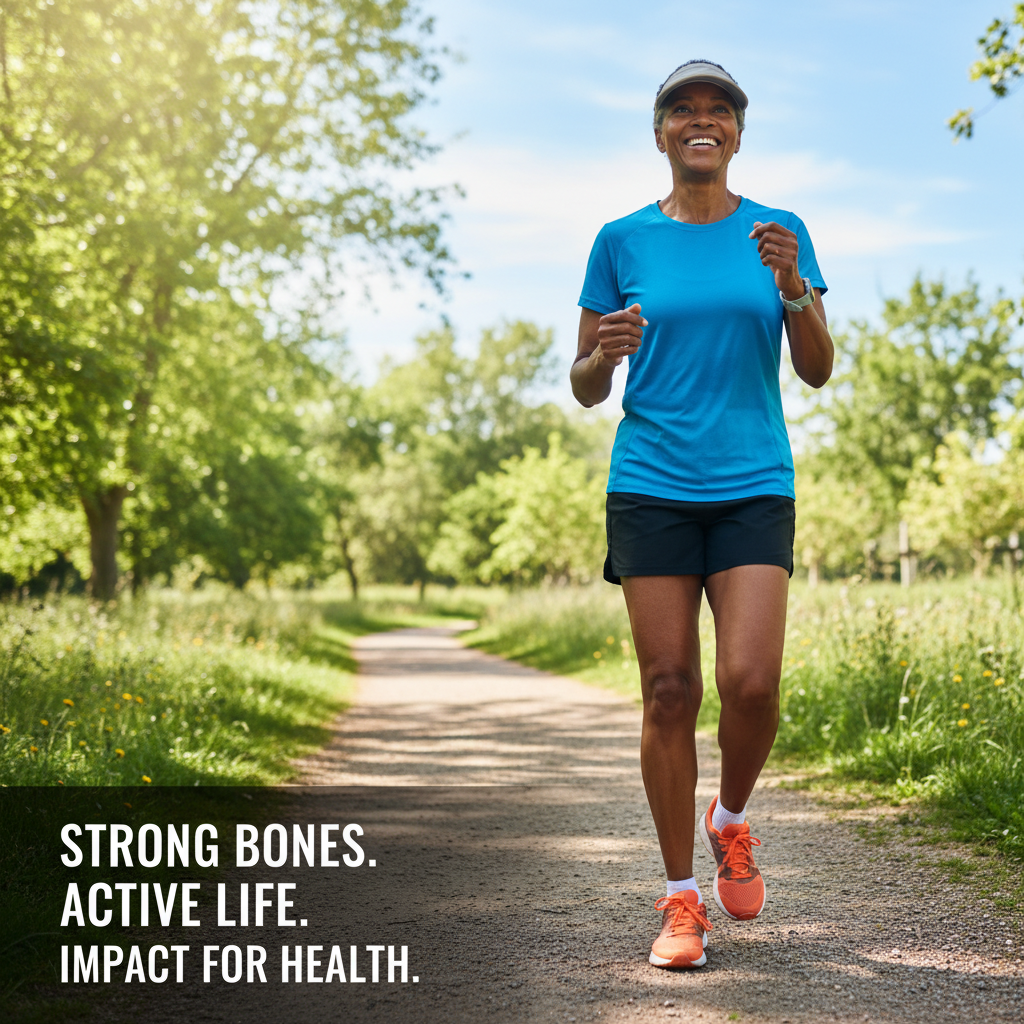
Contrary to popular belief, bones are not static structures; they respond dynamically to the stresses placed upon them. Engaging in the right types of physical activity stimulates bone-forming cells (osteoblasts) to produce new bone tissue, making your bones denser and stronger. This mechanical loading is fundamental for maintaining skeletal integrity and is particularly vital when managing osteopenia.
The Science Behind Exercise and Bone Health
The relationship between physical activity and bone density is well-established in scientific literature. Understanding this connection helps underscore why a structured exercise program is essential for those with osteopenia.
How Mechanical Stress Stimulates Bone Growth
When you perform weight-bearing activities or lift weights, your muscles pull on your bones, and your body experiences forces from gravity and impact. These forces create micro-strains within the bone tissue. These micro-strains signal bone cells to increase bone formation and decrease bone resorption, leading to a net gain in bone mineral density over time. This adaptive response is what makes exercise such a potent tool for bone health.
The Principle of Specificity
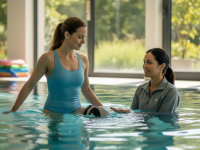
The principle of specificity dictates that the benefits of exercise are specific to the type of stress applied to the bones. For example, swimming, while excellent for cardiovascular health, is not a weight-bearing activity and therefore has less impact on bone density compared to walking or jogging. To effectively improve bone density in osteopenia, exercises must involve loading the specific bones at risk.
Essential Exercise Categories for Improving Bone Density in Osteopenia
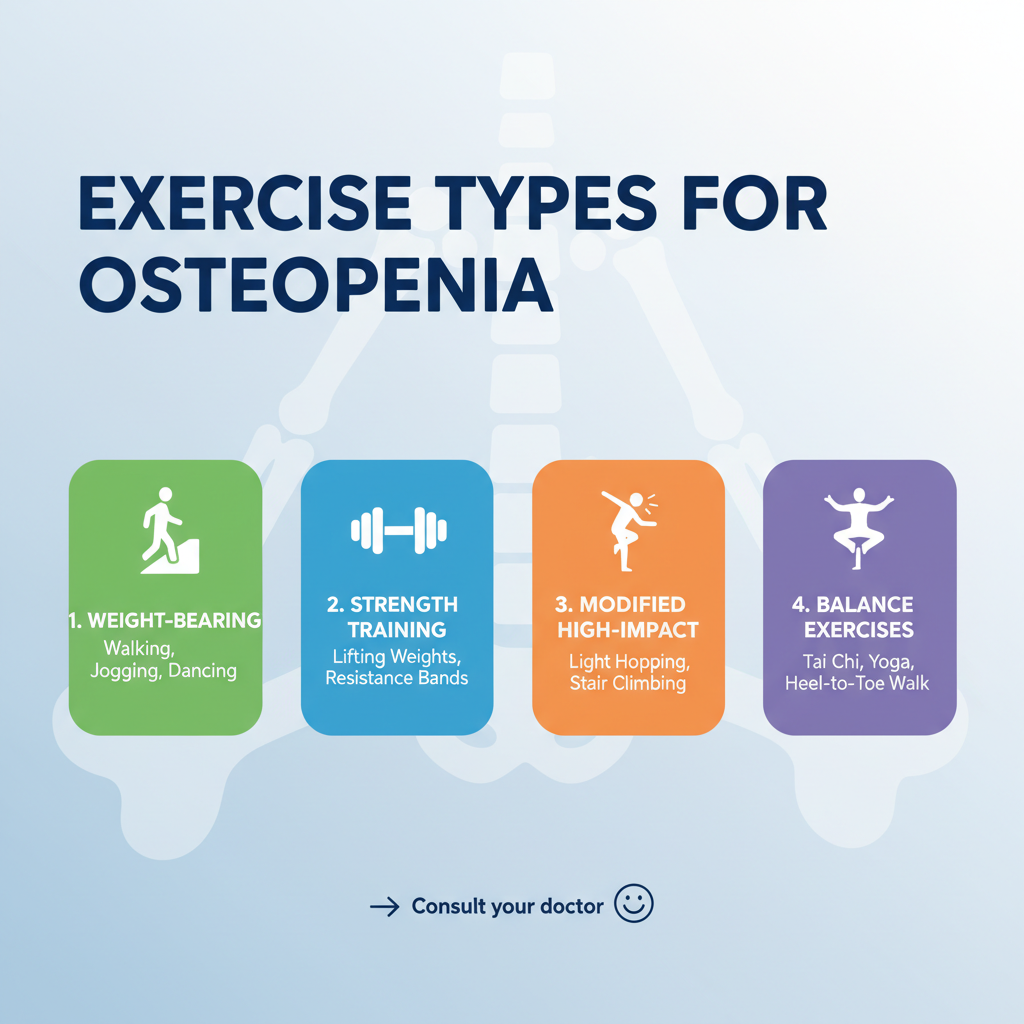
A comprehensive exercise program for osteopenia should incorporate a variety of activities that safely and effectively stimulate bone growth. Always consult with your doctor or a physical therapist before starting any new exercise regimen to ensure it is appropriate for your individual health status.
1. Weight-Bearing Exercises: Your Foundation for Stronger Bones
These exercises involve working against gravity, forcing your bones and muscles to support your body weight. They are fundamental for stimulating bone growth, particularly in the spine, hips, and legs.
- Brisk Walking: A simple yet effective starting point. Aim for at least 30 minutes most days of the week.
- Jogging (Light): If comfortable and advised by your doctor, light jogging or power walking can provide more impact than walking.
- Dancing: Engaging and enjoyable, dancing involves dynamic, weight-bearing movements and quick changes of direction.
- Stair Climbing: A great way to add impact and challenge to your routine, strengthening leg and hip bones.
- Hiking: Offers varied terrain and intensity, providing excellent bone-loading benefits.
2. Strength Training (Resistance Training): Building Muscle, Building Bone
Strength training involves moving your muscles against resistance, which not only builds muscle mass but also pulls on the bones, stimulating bone growth. This type of exercise is crucial for strengthening the spine, hips, and wrists.
- Free Weights: Using dumbbells or barbells for exercises like squats, lunges, bicep curls, and overhead presses. Start with light weights and focus on proper form.
- Resistance Bands: Offer a portable and versatile way to add resistance to various exercises, suitable for all fitness levels.
- Bodyweight Exercises: Activities such as squats, lunges, push-ups (modified on knees or against a wall), planks, and glute bridges effectively use your own body as resistance.
- Weight Machines: Provide controlled movements and can be a good option, especially for beginners or those needing extra stability.
3. High-Impact Exercises (Modified for Safety): Strategic Stress for Bone Remodeling
While high-impact exercises like jumping can be highly effective for bone building, they must be approached with caution in individuals with osteopenia. The goal is low-to-moderate impact that is safe and controlled, providing a greater stimulus than walking without excessive risk.
- Gentle Jumping Jacks: Start with half jacks or modified versions to reduce impact.
- Hopping: Short, controlled hops from side to side or forward and back, ensuring soft landings.
- Skipping: Light, rhythmic skipping can be beneficial, again focusing on controlled movements.
- Step-Ups onto a Low Bench: Step up and down with control, gradually increasing height if appropriate.
It is paramount to consult a medical professional or a physical therapist before incorporating any higher-impact activities into your routine to ensure they are safe and tailored to your specific bone density and overall health.
4. Balance and Postural Exercises: Preventing Falls, Protecting Bones
Falls are a leading cause of fractures, especially in individuals with reduced bone density. Improving balance and posture can significantly reduce this risk.
- Tai Chi: This ancient Chinese practice combines slow, deliberate movements with deep breathing, significantly improving balance and coordination.
- Yoga (Modified): Focus on poses that build strength and balance without excessive spinal flexion or twisting. Always inform your instructor about your osteopenia.
- Standing on One Leg: Hold onto a stable surface initially, then progress to performing this exercise without support.
- Heel-to-Toe Walking: Walk by placing the heel of one foot directly in front of the toes of the other, enhancing proprioception and stability.
Crafting Your Personalized Bone-Building Exercise Plan
Creating an effective exercise program requires a thoughtful approach, focusing on consistency, progression, and safety. Your journey to stronger bones is unique, and personalized guidance is often key.
Start Slow and Progress Gradually
Begin with lighter weights, fewer repetitions, or shorter durations. As your strength and bone density improve, you can gradually increase the intensity, duration, or resistance. This progressive overload is critical for continued bone stimulation.
Consistency is Key
Bone remodeling is a slow process. Regular, consistent exercise, ideally three to five days a week, is far more effective than sporadic intense workouts. Make exercise a non-negotiable part of your weekly routine.
Listen to Your Body and Seek Professional Guidance
Pain is a signal to stop and reassess. Never push through pain. Working with a physical therapist or an exercise specialist who understands osteopenia can provide invaluable guidance, ensuring proper form, safe progression, and a tailored plan that meets your specific needs and limitations.
Combining Exercise with Nutrition and Lifestyle
While exercise is foundational, it works best when combined with other bone-healthy strategies. Ensure adequate intake of calcium and vitamin D through diet or supplements, and avoid smoking and excessive alcohol consumption, which can negatively impact bone health.
Exercises to Approach with Caution (or Avoid) in Osteopenia
Certain movements can put undue stress on fragile bones, potentially increasing the risk of fractures. It’s important to be aware of these and modify or avoid them.
High-Impact Twisting Motions
Activities that involve sudden, forceful twisting of the spine, such as golf swings or sit-ups that twist the torso, can be risky for those with osteopenia, especially in the spine.
Excessive Forward Bending (Flexion)
Deep forward bends, like traditional toe touches, can put compressive forces on the vertebrae, potentially leading to vertebral fractures if bones are significantly weakened. Consult a physical therapist for safe modifications.
Heavy Lifting Without Proper Form
While strength training is beneficial, lifting very heavy weights with incorrect form can lead to injury. Always prioritize proper technique over the amount of weight lifted.
Conclusion: Empowering Your Journey to Stronger Bones
Living with osteopenia doesn’t mean resigning yourself to weak bones. By consistently engaging in the right exercises to improve bone density in osteopenia—including weight-bearing, strength training, safe impact, and balance activities—you can actively contribute to building stronger, healthier bones. Embrace this opportunity to take control of your skeletal health, reduce fracture risk, and enhance your overall quality of life. Remember, the journey begins with an informed step and a commitment to movement, guided by professional advice.