Understanding GERD and Dietary Triggers
GERD is a chronic digestive disease where stomach acid, or sometimes bile, flows back into the esophagus, irritating its lining. This backflow occurs when the lower esophageal sphincter (LES), a ring of muscle between the esophagus and stomach, weakens or relaxes inappropriately. While there are many factors contributing to GERD, including lifestyle and genetics, diet is a significant and modifiable component.
Certain foods and beverages are notorious for triggering GERD symptoms because they can relax the LES, increase stomach acid production, or directly irritate the esophageal lining. Common high-acid triggers and irritants include:
- Citrus Fruits and Juices: Oranges, grapefruits, lemons, limes, and their juices are highly acidic.
- Tomatoes and Tomato Products: Fresh tomatoes, tomato sauce, paste, and ketchup are significant culprits.
- Chocolate: Contains compounds that can relax the LES.
- Caffeine: Found in coffee, tea, and some sodas, caffeine can also relax the LES and increase stomach acid.
- Mint: Peppermint and spearmint, often thought to be soothing, can actually worsen reflux by relaxing the LES.
- Fatty and Fried Foods: Take longer to digest, increasing pressure on the LES and promoting acid reflux.
- Spicy Foods: Can irritate an already sensitive esophagus.
- Onions and Garlic: While nutritious, they can trigger symptoms for some individuals.
- Alcohol: Relaxes the LES and can irritate the esophagus.
- Carbonated Beverages: The bubbles can increase stomach pressure.
Identifying and avoiding your personal triggers is a critical first step. Keeping a food diary can be incredibly helpful in pinpointing which foods exacerbate your symptoms, allowing you to tailor your diet for maximum relief.
The Principles of a GERD-Friendly Low-Acid Diet
Adopting a low-acid diet for GERD goes beyond simply cutting out trigger foods. It involves a holistic approach to eating that promotes digestive comfort and overall health. Here are the core principles:
The primary focus of a GERD-friendly diet is to reduce the overall acid load on your digestive system. This means prioritizing foods with a higher pH (less acidic or more alkaline). These foods are gentler on the esophagus and less likely to provoke a reflux episode. Alkaline foods can also help to neutralize existing stomach acid, offering further relief.
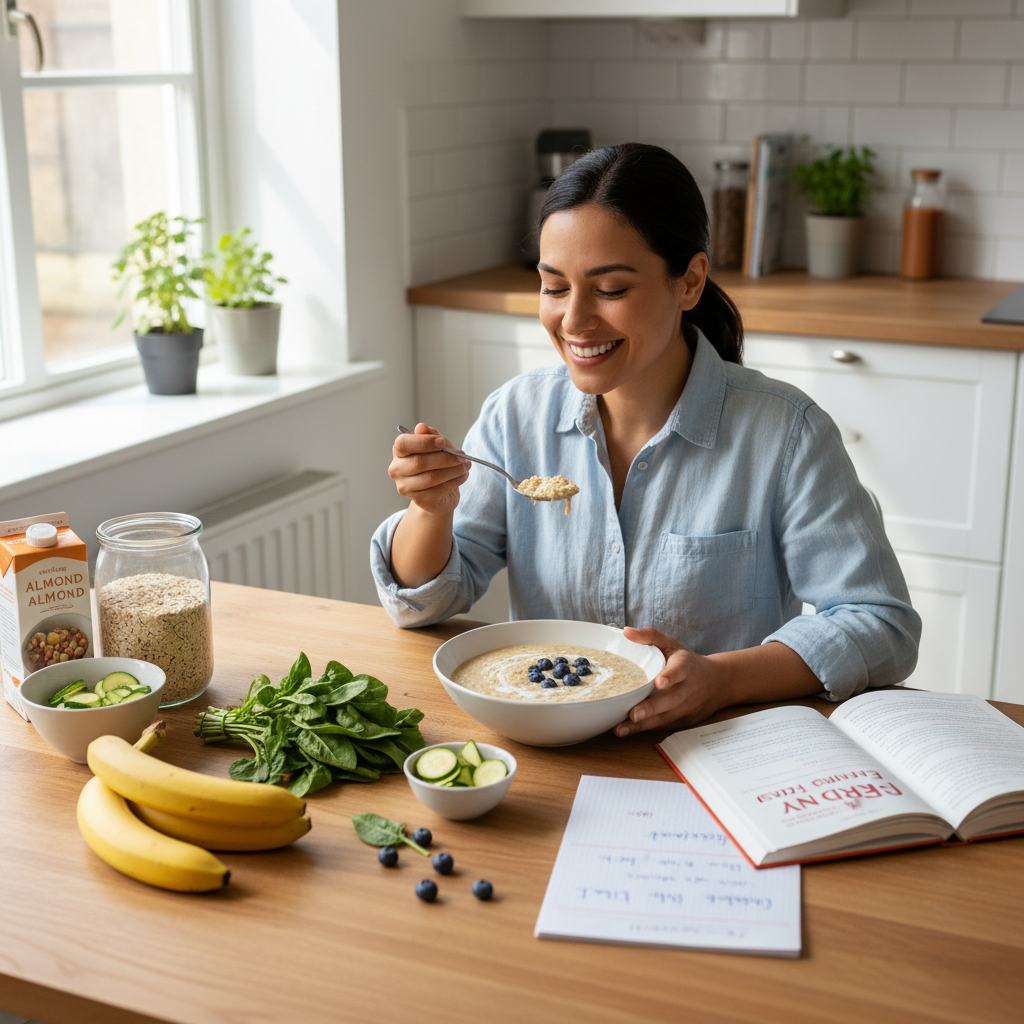
- Prioritize Low-Acid and Alkaline Foods: Incorporate plenty of non-citrus fruits, most vegetables, lean proteins, and whole grains.
- Practice Portion Control: Large meals can put pressure on the stomach and LES, increasing the likelihood of reflux. Opt for smaller, more frequent meals throughout the day instead of three large ones. This keeps the stomach from becoming overly full.
- Mindful Meal Timing: Avoid eating close to bedtime. Finish your last meal at least 2-3 hours before lying down to give your stomach time to empty. This prevents acid from refluxing when you’re in a horizontal position.
- Choose Gentle Cooking Methods: Steaming, baking, grilling, and broiling are preferable over frying. Frying adds unhealthy fats that can trigger symptoms. Using minimal oil (like olive oil) is also key.
- Stay Hydrated: Drinking plenty of water throughout the day helps with digestion and can dilute stomach acid. However, avoid drinking large amounts of liquid during meals, as this can increase stomach volume.
- Chew Thoroughly: Digestion begins in the mouth. Chewing your food slowly and thoroughly aids in the digestive process and reduces the workload on your stomach.
Core Ingredients for Healthy GERD-Friendly Meals Low Acid
Building a diet around GERD-friendly foods doesn’t have to be bland or restrictive. Many delicious and nutritious ingredients naturally fall into the low-acid category. Here’s a breakdown of the staples you should embrace:
Lean Proteins
Proteins are essential for satiety and muscle maintenance. Opt for lean sources that are easy to digest and low in fat.
- Chicken Breast and Turkey: Skinless and boneless, these are excellent sources of lean protein. Baked, grilled, or broiled are the best preparations.
- Fish: Salmon, cod, sole, and tilapia are fantastic choices. Salmon is also rich in omega-3 fatty acids, which have anti-inflammatory properties.
- Egg Whites: A versatile and lean protein source. Scrambled, poached, or hard-boiled egg whites are ideal. Some individuals tolerate whole eggs, but the yolk’s fat content can be an issue for others.
- Legumes (in moderation): Lentils and beans can be good protein sources, but some individuals find them gassy. Start with small portions and observe your tolerance.
Whole Grains
Whole grains provide fiber, which aids digestion and helps you feel full, reducing the likelihood of overeating.
- Oatmeal: A classic breakfast staple, oatmeal is soothing and high in soluble fiber. Avoid instant flavored varieties that may contain added sugars or artificial ingredients.
- Brown Rice: A complex carbohydrate that is easy to digest.
- Quinoa: A complete protein and excellent source of fiber, quinoa is very versatile and can be used in salads, as a side dish, or even for breakfast.
- Whole-Wheat Bread/Pasta (if tolerated): Some individuals with GERD tolerate whole-wheat products well, while others find them problematic due to their fiber content or fermentation in the gut. Start with small amounts. Look for varieties with minimal added sugars or high-fructose corn syrup.
Non-Citrus Fruits
While citrus fruits are out, many other fruits are low in acid and can satisfy your sweet tooth while providing essential vitamins and antioxidants.
- Bananas: Naturally low in acid and often recommended for soothing upset stomachs.
- Melons: Cantaloupe, honeydew, and watermelon are alkaline and hydrating.
- Apples: Especially red delicious, gala, or fuji apples, which tend to be less acidic than green varieties. Apples are a great source of fiber.
- Pears: Another excellent low-acid, high-fiber fruit.
- Berries (in moderation): While some berries like strawberries can be slightly acidic, many individuals tolerate them in small amounts. Blueberries and raspberries are generally better tolerated than strawberries.
Low-Acid Vegetables
Vegetables are the cornerstone of a healthy diet and many are naturally low in acid, providing crucial vitamins, minerals, and fiber.
- Green Beans: Mild and versatile.
- Broccoli and Cauliflower: While some find cruciferous vegetables gassy, many tolerate them well when cooked thoroughly.
- Spinach and Other Leafy Greens: Kale, romaine lettuce, and other mild greens are highly alkaline and nutritious.
- Asparagus: A good source of vitamins K and folate.
- Carrots: Sweet and crunchy, great raw or cooked.
- Potatoes and Sweet Potatoes: Excellent sources of complex carbohydrates and fiber, particularly soothing when baked or boiled.
- Cucumbers: Hydrating and refreshing.
Healthy Fats (in moderation)
Fats are important for nutrient absorption and satiety, but quantity and type matter. High-fat meals can trigger GERD. Focus on healthy, unsaturated fats in small amounts.
- Avocado: Rich in monounsaturated fats and very low in acid.
- Olive Oil: Use extra virgin olive oil for cooking at lower temperatures or as a dressing.
- Almonds and Walnuts: Good sources of healthy fats, but eat in small portions as nuts can be difficult for some to digest.
Dairy Alternatives (if needed)
Dairy can be a trigger for some people due to its fat content or lactose intolerance. Exploring alternatives can be beneficial.
- Almond Milk: Unsweetened almond milk is often well-tolerated and can be used in smoothies or with oatmeal.
- Oat Milk: Another popular and creamy plant-based milk that is often GERD-friendly.
- Low-Fat Plain Yogurt (if tolerated): Some people find plain, low-fat yogurt soothing due to its probiotics, but for others, dairy can be a trigger. Listen to your body.
Sample Healthy GERD-Friendly Low-Acid Meal Ideas
Now that you know the building blocks, let’s put them together into delicious and satisfying meals that support your GERD management.
Breakfast Ideas
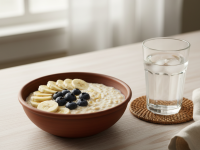
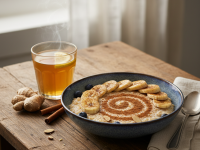
- Oatmeal with Banana and Almond Milk: Cook rolled oats with water or unsweetened almond milk. Top with sliced banana, a sprinkle of cinnamon, and a few chopped almonds.
- Scrambled Egg Whites with Spinach: Lightly scramble egg whites with fresh spinach. Serve with a slice of whole-wheat toast (if tolerated) and a small amount of avocado.
- Melon Medley with Cottage Cheese (low-fat, if tolerated): A refreshing bowl of cantaloupe, honeydew, and watermelon cubes. Add a small dollop of low-fat cottage cheese for protein if dairy is not a trigger.
- Banana Smoothie: Blend a ripe banana with unsweetened almond milk, a handful of spinach, and a scoop of unflavored protein powder (if desired).
Lunch Ideas
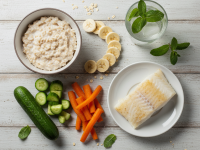
- Grilled Chicken Salad (No Tomato/Citrus Dressing): A generous bed of mixed greens (romaine, spinach), topped with sliced grilled chicken breast, cucumber, shredded carrots, and a light dressing made from olive oil and apple cider vinegar (if tolerated in small amounts) or simply olive oil.
- Turkey and Veggie Wrap: Use a whole-wheat tortilla (if tolerated). Fill with lean turkey slices, crisp lettuce, shredded carrots, cucumber, and a thin spread of hummus (if tolerated) or a tiny bit of plain cream cheese.
- Lentil Soup: A hearty and fiber-rich soup made with lentils, carrots, celery, and mild herbs. Ensure it’s not made with a tomato base.
- Quinoa Bowl with Roasted Vegetables: Cooked quinoa topped with roasted asparagus, broccoli florets, and sweet potato cubes, seasoned with herbs like basil and oregano.
Dinner Ideas
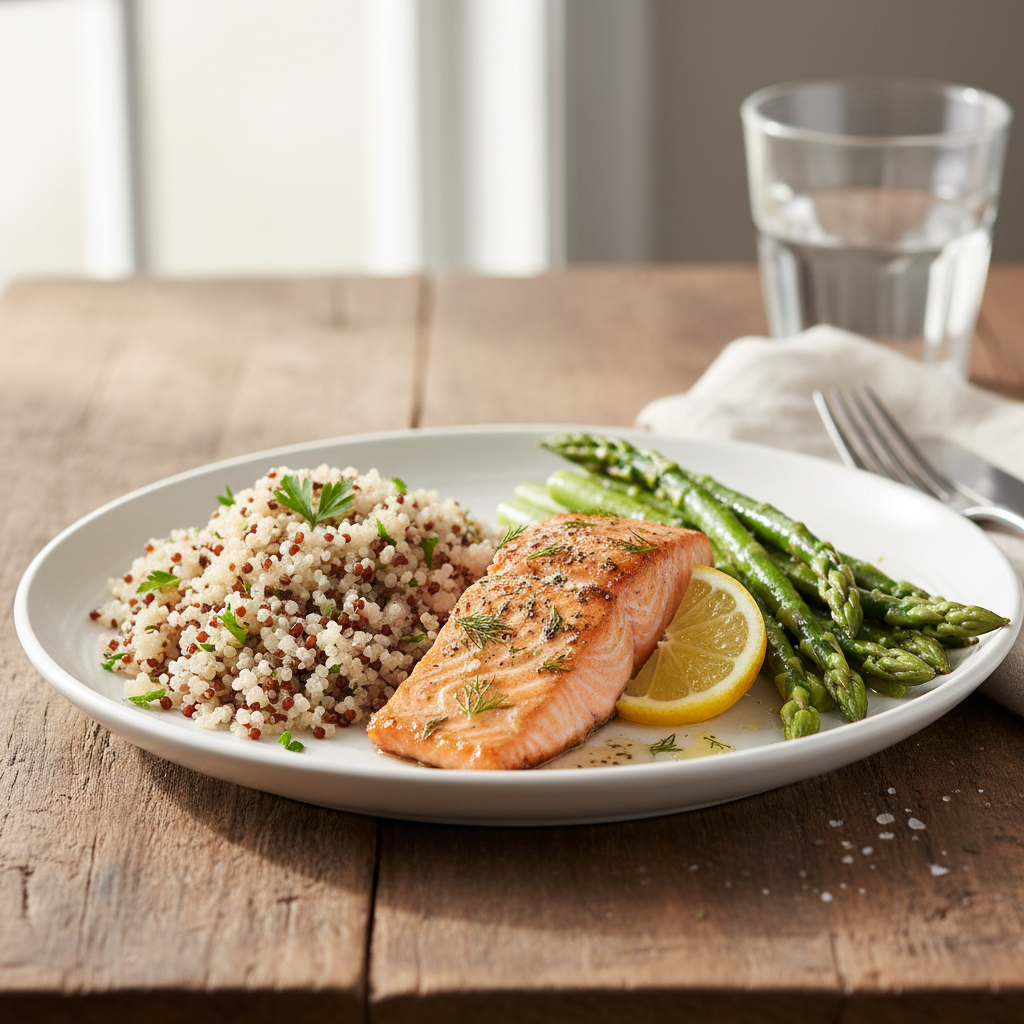
- Baked Salmon with Roasted Asparagus and Brown Rice: Season a salmon fillet with salt, pepper, and dill. Bake until flaky. Serve with roasted asparagus (tossed lightly in olive oil) and a side of brown rice.
- Lean Turkey Stir-Fry with Low-Acid Veggies: Sauté ground turkey or turkey breast strips with broccoli, carrots, green beans, and bell peppers (yellow or orange tend to be less acidic than red). Use a low-sodium soy sauce or tamari for flavor, avoiding spicy sauces. Serve over quinoa.
- Chicken and Sweet Potato Bake: Cubed chicken breast and sweet potatoes baked with a sprinkle of rosemary and olive oil. Add some green beans or spinach during the last 10 minutes of baking.
- Cod with Steamed Potatoes and Green Beans: Poached or baked cod, simply seasoned, served with steamed new potatoes and green beans.
Snack Ideas
- Apple slices with a tablespoon of almond butter.
- Plain rice cakes.
- Cucumber slices with a light sprinkle of salt.
- A small bowl of plain, low-fat Greek yogurt (if tolerated).
- A handful of almonds or walnuts (unsalted).
- Hard-boiled egg white.
Cooking Tips for Maximizing GERD Relief
How you prepare your food is just as important as what you eat. These tips can help you get the most relief from your GERD-friendly meals:
- Reduce Fat in Cooking: Minimize the use of butter, lard, and excessive oils. Use non-stick sprays or small amounts of healthy fats like olive oil.
- Avoid Strong Spices: Say goodbye to chili powder, cayenne pepper, black pepper, and other hot spices that can irritate the esophagus.
- Opt for Herbs for Flavor: Experiment with fresh or dried herbs like basil, oregano, thyme, rosemary, dill, and parsley. These add fantastic flavor without the acidity or irritation.
- Don’t Overeat: Even with GERD-friendly foods, eating too much can trigger reflux. Stick to moderate portions.
- Stay Hydrated with Water: Sip water throughout the day, but avoid chugging large quantities during meals, which can overfill the stomach.
- Bake, Grill, Steam, Broil: These methods are superior to frying for GERD sufferers.
- Read Labels Carefully: Be wary of hidden triggers like high-fructose corn syrup, citric acid, or tomato paste in processed foods.
Lifestyle Adjustments Beyond Diet
While a low-acid diet is paramount, incorporating certain lifestyle changes can further enhance your GERD management and provide greater relief.
- Eat Slowly and Mindfully: Take your time during meals. Chewing food thoroughly and eating at a relaxed pace aids digestion and reduces the amount of air you swallow.
- Avoid Late-Night Meals: As mentioned, aim to finish your last meal at least 2-3 hours before lying down. This allows your stomach to empty and reduces the chance of acid refluxing while you sleep.
- Elevate the Head of Your Bed: Raising the head of your bed by 6-8 inches can help gravity keep stomach acid where it belongs. Special wedges or blocks under the bedposts are effective. Simply using extra pillows often isn’t enough and can even worsen symptoms by bending you at the waist.
- Wear Loose-Fitting Clothing: Tight clothing, especially around the waist, can put pressure on your abdomen and stomach, potentially pushing acid up into the esophagus.
- Maintain a Healthy Weight: Excess weight, particularly around the abdomen, can increase pressure on the stomach and LES, contributing to reflux. Losing even a small amount of weight can make a significant difference for many.
- Manage Stress: Stress doesn’t cause GERD, but it can worsen symptoms in many individuals. Incorporate stress-reduction techniques such as meditation, yoga, deep breathing exercises, or spending time in nature.
- Quit Smoking: Nicotine is known to relax the LES and reduce saliva production, which helps neutralize acid. Quitting smoking is one of the most effective steps to improve GERD symptoms.
Consulting a Professional
While this guide provides extensive information on healthy GERD-friendly low-acid meals, it’s crucial to remember that GERD management should always be personalized. Every individual’s body reacts differently, and what works for one person might not work for another.
Always consult with your healthcare provider or a registered dietitian before making significant dietary changes. They can help diagnose your condition accurately, rule out other potential issues, and create a tailored dietary and lifestyle plan that addresses your specific needs and nutritional requirements. A dietitian can also help you identify your unique triggers and ensure you’re getting all the necessary nutrients while managing your GERD symptoms effectively.
Frequently Asked Questions (FAQs)
What specific fruits are good for GERD?
Good choices include bananas, apples (especially red varieties like Gala, Fuji, Red Delicious), melons (cantaloupe, honeydew, watermelon), and pears. Berries like blueberries and raspberries are often tolerated in moderation, but observe your own reaction.
Can I drink coffee with GERD?
Coffee, due to its caffeine content and acidity, is a common GERD trigger. Many people with GERD find it necessary to eliminate or severely limit coffee. Some individuals might tolerate decaffeinated coffee or very small amounts, but it’s often best to avoid it. Herbal teas (non-mint) or water are safer alternatives.
Are dairy products bad for GERD?
Dairy can be a mixed bag. High-fat dairy products can trigger symptoms due to their fat content. For some, lactose intolerance can also worsen digestive upset. However, low-fat plain yogurt with live cultures might be tolerated and even beneficial for gut health due to probiotics. Unsweetened almond milk or oat milk are generally good dairy-free alternatives.
How quickly will I see improvement with a low-acid diet?
The speed of improvement varies widely. Some people experience noticeable relief within a few days to a week of strictly adhering to a low-acid diet. For others, it might take several weeks to see significant changes. Consistency is key, and it’s important to monitor your symptoms and adjust as needed.
Is bland food always necessary for GERD?
Not necessarily. While avoiding highly acidic, spicy, or fatty foods is important, a GERD-friendly diet doesn’t have to be bland. You can use a variety of mild herbs (basil, oregano, thyme, dill), spices (turmeric, mild curry powder in small amounts), and low-acid vegetables to create flavorful meals. The key is to experiment cautiously and discover what your body tolerates without triggering symptoms.
Conclusion
Embarking on a journey to incorporate healthy GERD friendly meals low acid into your daily routine is a powerful step towards managing your symptoms and improving your overall digestive health. While it requires mindful eating and a willingness to explore new ingredients and cooking methods, the relief from heartburn, discomfort, and other GERD symptoms is well worth the effort. Remember to focus on lean proteins, whole grains, low-acid fruits and vegetables, and healthy fats, all prepared gently. Combine these dietary changes with sensible lifestyle adjustments, and always consult with healthcare professionals to ensure your approach is tailored and effective. With a bit of planning and delicious recipes, you can enjoy flavorful, nourishing meals that support your well-being and help you live comfortably with GERD.