Chronic insomnia, characterized by difficulty falling asleep, staying asleep, or experiencing non-restorative sleep for at least three nights a week for three months or longer, is a widespread problem. While lifestyle changes and cognitive behavioral therapy are cornerstones of treatment, understanding how specific magnesium supplements can support a healthy sleep cycle offers a promising avenue for improvement.
Understanding Chronic Insomnia and Magnesium’s Role
Insomnia is more than just a bad night’s sleep; it’s a condition that can lead to fatigue, irritability, difficulty concentrating, and impaired performance in daily tasks. Its causes are multifaceted, ranging from stress and anxiety to underlying medical conditions and poor sleep hygiene. Finding effective solutions often requires addressing multiple contributing factors.

Magnesium is an electrolyte involved in over 300 biochemical reactions in the body. It’s vital for nerve function, muscle contraction, blood sugar control, blood pressure regulation, and energy production. Crucially, magnesium plays a significant role in calming the nervous system, which is directly relevant to achieving restful sleep. A deficiency in this vital mineral can disrupt the body’s natural sleep-wake cycle.
How Magnesium Aids Sleep
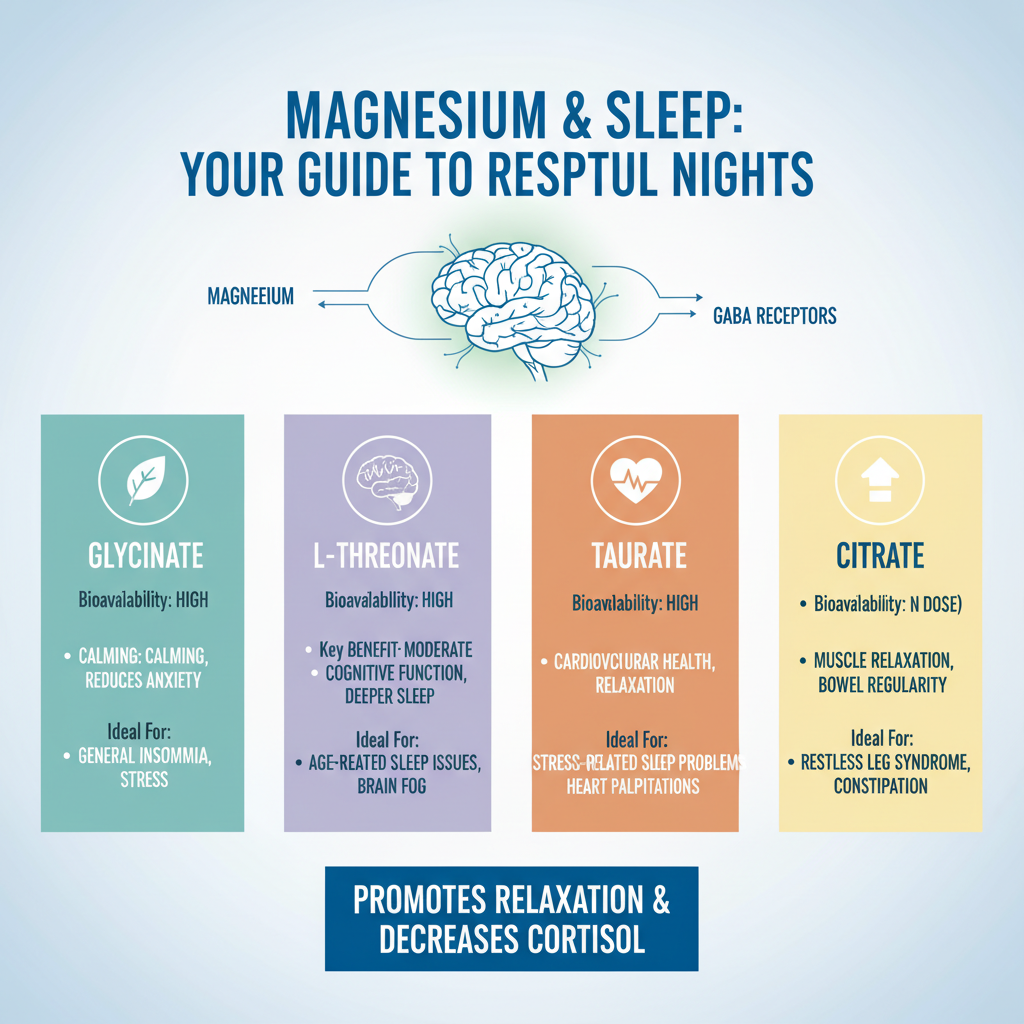
Magnesium’s sleep-promoting effects are primarily attributed to its ability to regulate neurotransmitters, particularly Gamma-aminobutyric acid (GABA). GABA is a primary inhibitory neurotransmitter in the brain that helps quiet nervous activity, promoting relaxation and reducing feelings of anxiety. Magnesium binds to and activates GABA receptors, mimicking GABA’s calming effect.
Beyond GABA, magnesium also helps regulate melatonin, the hormone responsible for controlling your sleep and wake cycles. It helps relax muscles by balancing calcium levels, preventing muscle cramps and restless legs syndrome, common culprits behind disturbed sleep. Furthermore, magnesium helps modulate the body’s stress response by reducing the activity of the hypothalamic-pituitary-adrenal (HPA) axis, which is involved in producing cortisol, a stress hormone that can interfere with sleep.
The Science Behind Magnesium and Sleep
Research suggests that magnesium supplementation can improve subjective measures of insomnia severity, sleep efficiency, sleep time, and early morning awakening. By promoting a state of calm and reducing physiological arousal, magnesium prepares the body for sleep. It can also help alleviate conditions that contribute to sleeplessness, such as anxiety and muscle tension.
While the benefits are promising, it’s important to remember that not all magnesium supplements are created equal. Their absorption rates, bioavailability, and specific effects on the body can vary significantly. This distinction is key when considering the best magnesium types for chronic insomnia.
Exploring the Best Magnesium Types for Chronic Insomnia
When selecting a magnesium supplement for sleep, bioavailability—how much of the magnesium your body actually absorbs and utilizes—is crucial. Some forms are absorbed better than others and may have specific benefits for sleep and relaxation.
Magnesium Glycinate
-
Description: Magnesium glycinate is formed by combining magnesium with the amino acid glycine. Glycine itself has calming properties and acts as an inhibitory neurotransmitter in the brain, further enhancing magnesium’s relaxing effects.
-
Benefits for Sleep: This form is highly bioavailable and generally gentle on the stomach, making it a popular choice. Its combination with glycine makes it particularly effective for reducing anxiety, promoting relaxation, and improving sleep quality without causing laxative effects.
-
Ideal For: Individuals primarily struggling with anxiety, stress, or restless sleep that stems from an overactive mind.
Magnesium L-Threonate
-
Description: Magnesium L-threonate is a newer form of magnesium specifically designed to cross the blood-brain barrier. This unique characteristic allows it to increase magnesium concentrations in the brain more effectively than other forms.
-
Benefits for Sleep: While often marketed for cognitive enhancement, its ability to impact brain magnesium levels can improve sleep quality by modulating neurotransmitter activity and reducing nocturnal awakenings. Some users report deeper, more restorative sleep.
-
Ideal For: Those seeking to enhance deep sleep cycles, improve cognitive function alongside sleep, or who suspect their insomnia has a neurological component.
Magnesium Taurate
-
Description: Magnesium taurate combines magnesium with the amino acid taurine. Taurine also has inhibitory neurotransmitter properties and can help calm the nervous system.
-
Benefits for Sleep: This form is known for its calming effects and its potential benefits for cardiovascular health. The synergistic action of magnesium and taurine makes it excellent for promoting relaxation and aiding sleep, especially for those with stress-related insomnia.
-
Ideal For: Individuals experiencing stress, anxiety, or high blood pressure alongside their sleep difficulties.
Magnesium Citrate
-
Description: Magnesium citrate is magnesium bound with citric acid. It is commonly used as a laxative due to its ability to draw water into the intestines.
-
Benefits for Sleep: While highly bioavailable, its primary benefit for sleep often comes indirectly from its ability to relieve constipation, which can disrupt sleep. For individuals who experience both constipation and insomnia, it can be a suitable option.
-
Ideal For: People who need general magnesium supplementation and also suffer from occasional constipation that impacts their sleep.
Magnesium Malate
-
Description: Magnesium malate combines magnesium with malic acid, which plays a role in energy production.
-
Benefits for Sleep: Unlike other forms, magnesium malate is often recommended for energy and muscle pain relief rather than direct sleep induction. However, if muscle aches or fibromyalgia symptoms are contributing to sleeplessness, addressing these with magnesium malate could indirectly improve sleep.
-
Ideal For: Those whose sleep is disturbed by muscle pain, fatigue, or restless legs syndrome, but it might not be the top choice if your primary goal is sedation.
Forms Less Recommended for Sleep
-
Magnesium Oxide: This form has very poor bioavailability and is primarily used as a laxative or antacid. It is generally not effective for addressing magnesium deficiency or for sleep support.
-
Magnesium Sulfate (Epsom Salts): While soaking in an Epsom salt bath can be relaxing and may aid muscle relaxation through skin absorption, the amount of magnesium absorbed systematically is often minimal and inconsistent for direct sleep benefits.
Choosing the Right Magnesium Supplement
Selecting the best magnesium type for your chronic insomnia involves considering your individual needs and sensitivities. If you primarily struggle with anxiety and difficulty winding down, magnesium glycinate or taurate might be your best bet. If you’re looking for cognitive benefits alongside sleep improvement, magnesium L-threonate could be suitable. Always opt for high-quality supplements from reputable brands that provide clear dosage information and third-party testing.
Dosage and Potential Side Effects
The recommended dietary allowance (RDA) for magnesium varies by age and gender, but typical supplemental doses for sleep range from 200 mg to 400 mg of elemental magnesium per day. It is often best to start with a lower dose and gradually increase it to assess tolerance and effectiveness.
Common side effects of magnesium supplementation can include digestive upset, such as diarrhea, nausea, and abdominal cramping, especially with forms like magnesium citrate or higher doses. More severe side effects are rare but can occur with very high doses, particularly in individuals with kidney problems. These include low blood pressure, muscle weakness, and irregular heartbeat.
When to Consult a Healthcare Professional
Before starting any new supplement, including magnesium, it is crucial to consult with a healthcare professional. This is especially important if you have chronic insomnia, as it may indicate an underlying medical condition that requires specific treatment. Your doctor can help determine if magnesium is appropriate for you, advise on the correct dosage, and check for potential interactions with other medications you might be taking, such as diuretics, antibiotics, or heart medications.
While magnesium can be a valuable tool in managing chronic insomnia, it should be part of a comprehensive approach that includes good sleep hygiene, stress management, and addressing any underlying health issues. A personalized approach guided by professional advice offers the best chance for achieving truly restful and restorative sleep.
In summary, among the various magnesium types, magnesium glycinate and magnesium L-threonate stand out as particularly effective for chronic insomnia due to their high bioavailability and specific actions on the nervous system and brain. Magnesium taurate also offers excellent calming properties. By understanding these differences and working with your healthcare provider, you can make an informed choice to support your journey toward better sleep.