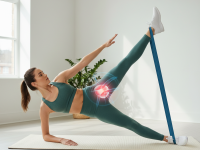
This comprehensive guide delves into the mechanisms behind APT and provides an actionable plan of medically-backed exercises to help you reclaim a healthy, neutral spine.
Understanding Anterior Pelvic Tilt: More Than Just a Posture Problem
Anterior pelvic tilt is a postural deviation where your pelvis rotates forward, causing the front of your pelvis to drop and the back to rise. This creates an increased arch in your lower back, known as hyperlordosis, and can push your abdomen forward, even if you don’t carry excess weight.
What is Anterior Pelvic Tilt?
Imagine your pelvis as a bowl. In a neutral position, the bowl is level. With anterior pelvic tilt, the bowl tilts forward, as if spilling water out the front. This seemingly minor shift has a domino effect on your entire kinetic chain, from your feet to your neck, leading to various musculoskeletal issues.
Common Causes of APT
Several factors contribute to the development of APT, often stemming from modern lifestyles. Prolonged sitting is a primary culprit, as it shortens the hip flexors and weakens the glutes. Other common causes include a sedentary lifestyle, lack of physical activity, and poor core strength. Muscle imbalances are at the heart of APT; specifically, tightness in the hip flexors and lower back extensors, combined with weakness in the abdominal muscles and glutes.
Why Correcting APT Matters
Beyond aesthetics, uncorrected anterior pelvic tilt can lead to a host of problems. It places undue stress on the lumbar spine, potentially contributing to chronic lower back pain, disc issues, and sciatica. It can also affect hip and knee mechanics, increasing the risk of injury during physical activity. Addressing APT through targeted corrective exercises is crucial for long-term spinal health and overall well-being.
The Science Behind Corrective Exercises for Anterior Pelvic Tilt
The core principle behind correcting APT lies in addressing the muscle imbalances that cause it. This involves lengthening muscles that have become tight and strengthened those that have become weak or underactive. This approach helps restore proper alignment and function to the pelvis and spine.
The Muscle Imbalance Equation
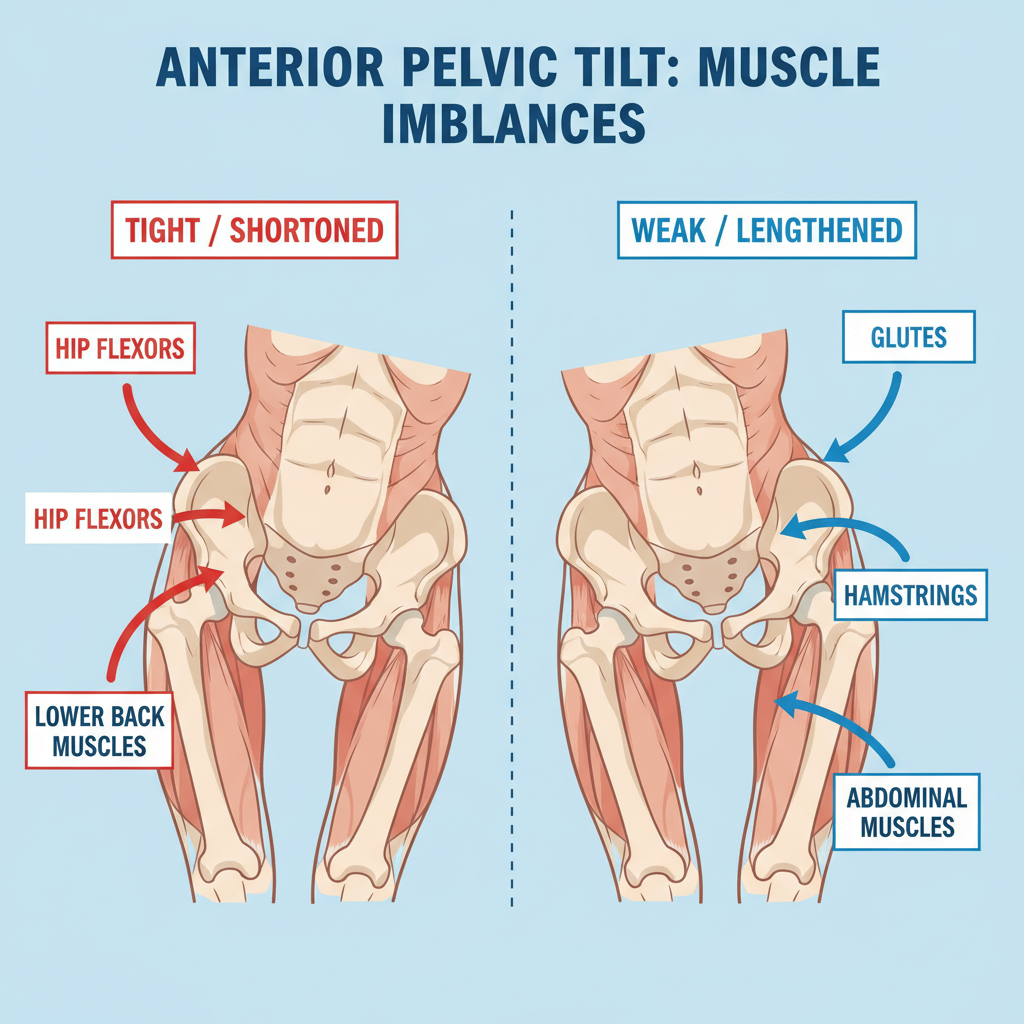
Anterior pelvic tilt is characterized by a specific set of muscle imbalances. The muscles that typically become tight and overactive include the hip flexors (psoas, iliacus, rectus femoris) and the lumbar extensors (erector spinae). Conversely, the muscles that tend to become weak and underactive are the abdominal muscles (rectus abdominis, transversus abdominis) and the gluteal muscles (gluteus maximus, medius, minimus), along with the hamstrings.
Key Muscle Groups to Target
To effectively correct APT, your exercise program must strategically target these specific muscle groups. You’ll focus on stretching the tight hip flexors and lower back muscles, while simultaneously strengthening the weak glutes, hamstrings, and core stabilizers. This dual approach is essential for achieving a lasting neutral pelvic position and alleviating associated symptoms.
Essential Corrective Exercises for Anterior Pelvic Tilt
Here are some of the most effective corrective exercises for anterior pelvic tilt, designed to stretch tight muscles and strengthen weak ones. Remember to perform each exercise with control and focus on proper form.
Stretching Tight Muscles
-
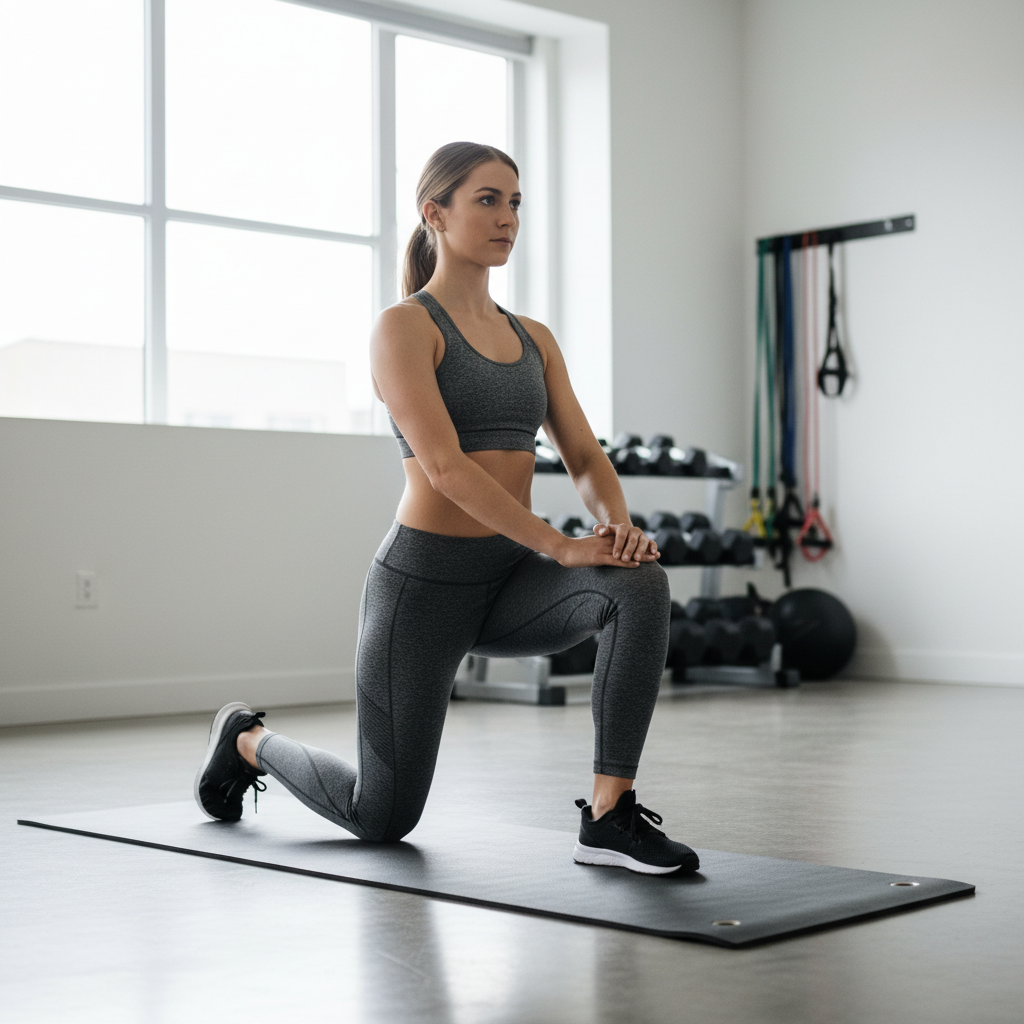
Kneeling Hip Flexor Stretch: Kneel on one knee, with the other foot flat on the floor in front of you. Gently push your hips forward until you feel a stretch in the front of the hip of your kneeling leg. Keep your core engaged to prevent arching your lower back. Hold for 30 seconds, 2-3 repetitions per side.
-
Standing Quadriceps Stretch: Stand tall and grab one foot with the same-side hand, pulling your heel towards your glute. Keep your knees together and avoid arching your back. Feel the stretch in the front of your thigh. Hold for 30 seconds, 2-3 repetitions per side.
-
Cat-Cow Stretch: Start on all fours with your hands directly under your shoulders and knees under your hips. Inhale as you drop your belly towards the floor and look up (cow pose). Exhale as you round your spine towards the ceiling, tucking your chin to your chest (cat pose). Perform 10-15 repetitions, focusing on spinal mobility and gentle lumbar extension/flexion.
-
Child’s Pose: Begin on your hands and knees. Sit your hips back towards your heels, extending your arms forward or resting them alongside your body. Allow your forehead to rest on the mat, feeling a gentle stretch in your lower back and hips. Hold for 30-60 seconds, focusing on deep breathing.
Strengthening Weak Muscles
-
Glute Bridge: Lie on your back with your knees bent and feet flat on the floor, hip-width apart. Engage your glutes and lift your hips off the floor until your body forms a straight line from your shoulders to your knees. Avoid arching your lower back. Lower slowly. Perform 10-15 repetitions for 2-3 sets.
-
Clamshells: Lie on your side with your knees bent at a 45-degree angle and your hips stacked. Keeping your feet together, lift your top knee towards the ceiling, engaging your glute medius. Keep your pelvis stable. Perform 10-15 repetitions per side for 2-3 sets.
-
Plank: Start in a push-up position, then lower onto your forearms, keeping your body in a straight line from head to heels. Engage your core, glutes, and thighs. Avoid letting your hips sag or rise too high. Hold for 30-60 seconds, 2-3 sets.
-
Dead Bug: Lie on your back with your arms extended towards the ceiling and knees bent at a 90-degree angle over your hips. Slowly extend your opposite arm and leg towards the floor without letting your lower back arch. Return to the starting position and repeat with the other side. Perform 8-12 repetitions per side for 2-3 sets.
-
Hamstring Curls (Stability Ball): Lie on your back with your heels on a stability ball, legs extended. Lift your hips off the floor, engaging your glutes. Then, slowly roll the ball towards your glutes by bending your knees, pulling with your hamstrings. Extend your legs back out. Perform 10-15 repetitions for 2-3 sets.
Integrating Corrective Exercises into Your Daily Routine
Consistency is paramount when it comes to seeing results from corrective exercises for anterior pelvic tilt. Incorporating these movements into your daily life, rather than viewing them as a separate task, will yield the best outcomes.
Consistency is Key
Aim to perform these exercises 3-5 times a week. Even short, consistent sessions are more effective than infrequent, intense workouts. Make it a part of your morning routine or a break during your workday to stretch and activate these muscles.
Proper Form Over Quantity
Focus intently on performing each exercise with correct form. Incorrect execution can negate the benefits and potentially lead to new imbalances or injuries. If you’re unsure, consider watching reputable instructional videos or consulting a fitness professional.
Listening to Your Body
Pay attention to what your body tells you. While some muscle soreness is normal when starting new exercises, sharp pain is a sign to stop. Gradually increase repetitions, sets, or hold times as your strength and flexibility improve.
Beyond Exercises: Lifestyle Adjustments for Lasting Relief
While specific exercises are powerful tools, integrating lifestyle adjustments can significantly enhance your progress in correcting anterior pelvic tilt and maintaining a healthy posture.
Ergonomics and Posture Awareness
Assess your workstation ergonomics. Ensure your feet are flat on the floor, your screen is at eye level, and you have good lumbar support. Take regular breaks to stand, walk, and stretch, especially if you have a sedentary job. Consciously practice tucking your pelvis slightly under to find a more neutral spine position throughout the day.
Hydration and Nutrition
Proper hydration supports muscle elasticity and joint health, which are crucial for maintaining flexibility and reducing stiffness. A balanced diet rich in anti-inflammatory foods can also aid in recovery and reduce overall body inflammation, contributing to better muscle function.
Professional Guidance
For persistent APT or if you’re experiencing chronic pain, consulting a physical therapist, chiropractor, or certified strength and conditioning specialist is highly recommended. They can provide a personalized assessment, diagnose underlying issues, and tailor a specific exercise program to your individual needs.
When to Seek Professional Help
While self-guided corrective exercises for anterior pelvic tilt are often very effective, certain situations warrant professional medical advice. If you experience severe pain, numbness, tingling, or weakness in your legs, or if your symptoms worsen despite consistent exercise, seek guidance from a healthcare provider. A professional can rule out other conditions and ensure you’re on the safest and most effective path to recovery.
Conclusion: Reclaiming Your Posture and Well-being
Correcting anterior pelvic tilt is an empowering journey towards better posture, reduced pain, and enhanced physical performance. By consistently applying targeted corrective exercises and making mindful lifestyle adjustments, you can effectively address muscle imbalances and restore your body’s natural alignment. Embrace this proactive approach to health and unlock a stronger, more comfortable you.