What Exactly is Brain Fog?
Brain fog isn’t a medical condition itself, but rather a symptom of other underlying issues. It’s often described as a clouding of consciousness, characterized by a lack of mental clarity, poor concentration, difficulty focusing, memory problems, and a general feeling of being mentally drained or ‘off’. While common causes include lack of sleep, stress, certain medications, and medical conditions, chronic inflammation and nutrient deficiencies are often significant contributors that can be directly addressed through dietary changes.
The Powerful Link Between Your Diet and Brain Health
Your brain is an incredibly complex organ, requiring a constant supply of energy and specific nutrients to function optimally. Everything you eat impacts your brain – from its structure and function to your mood and cognitive abilities. A diet rich in processed foods, sugar, and unhealthy fats can promote inflammation, disrupt gut health, and starve your brain of essential building blocks, leading directly to brain fog. Conversely, a diet packed with whole, nutrient-dense foods provides the fuel and protection your brain needs to thrive.
Key Nutritional Concepts for Mental Clarity:
- Anti-Inflammatory Power: Chronic inflammation can damage brain cells and impair communication. Foods rich in antioxidants and omega-3 fatty acids combat this.
- Neurotransmitter Support: Proteins provide the amino acids necessary for creating neurotransmitters like serotonin and dopamine, crucial for mood and focus.
- Stable Blood Sugar: Spikes and crashes in blood sugar can lead to energy dips and mental fatigue. Complex carbohydrates and fiber help maintain stable levels.
- Gut-Brain Axis: Your gut health directly influences brain health. A healthy microbiome is linked to improved mood and cognitive function.
- Hydration: Even mild dehydration can impair concentration and memory.
Top Foods That Stop Brain Fog and Boost Cognitive Function
Here’s a comprehensive guide to the delicious and nutritious foods you should be incorporating into your diet to sharpen your focus, improve memory, and banish brain fog.
1. Omega-3 Rich Fatty Fish
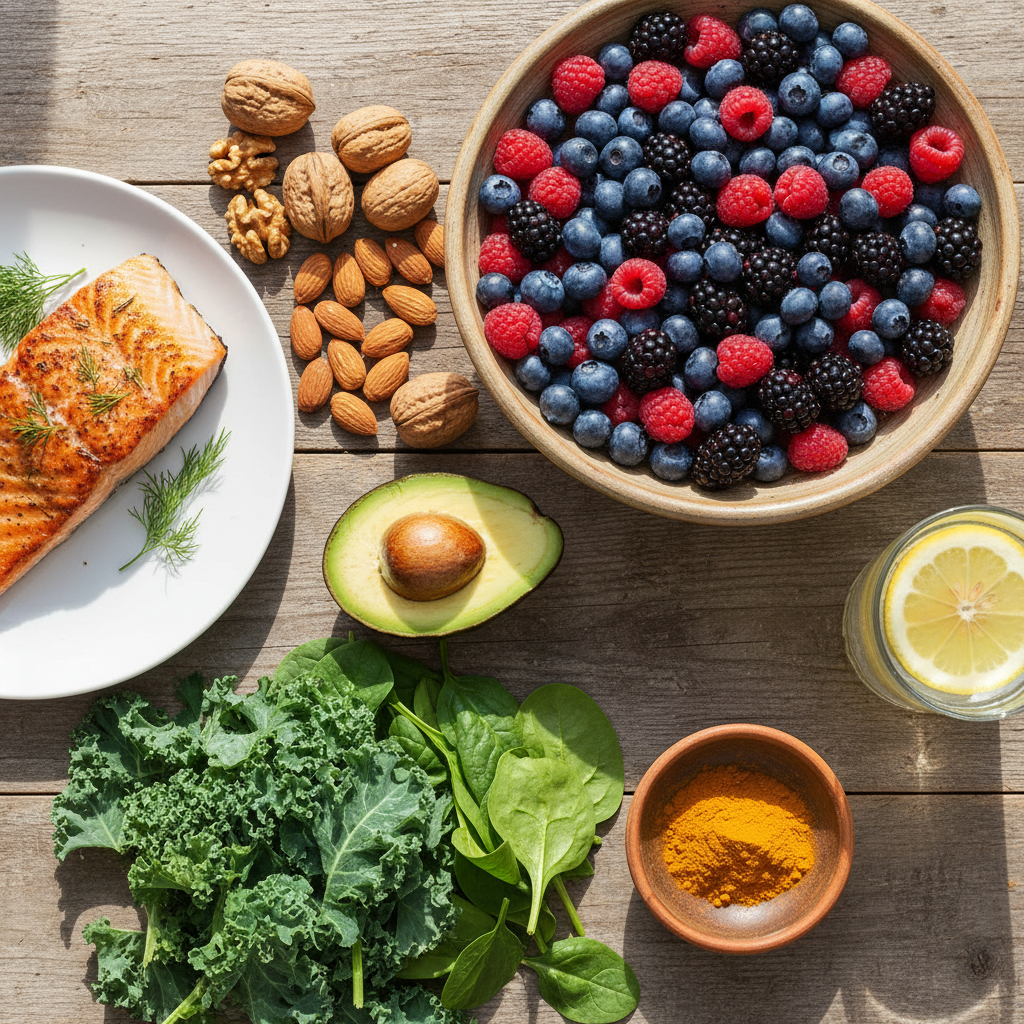
Often hailed as brain food, fatty fish like salmon, mackerel, sardines, and trout are packed with omega-3 fatty acids, particularly DHA and EPA. These essential fats are crucial for brain health, forming a significant component of brain cell membranes. They are vital for brain structure, nerve cell communication, and reducing inflammation throughout the body, including the brain. Regular consumption can improve memory, focus, and overall cognitive function.
- Chef’s Tip: Aim for at least two servings of fatty fish per week. Grill, bake, or pan-sear with herbs and a squeeze of lemon for a simple yet powerful brain-boosting meal.
2. Berries and Dark-Skinned Fruits
Blueberries, strawberries, raspberries, and blackberries are bursting with antioxidants, particularly flavonoids. These compounds help protect the brain from oxidative stress and inflammation, which can contribute to cognitive decline and brain fog. Blueberries, in particular, have been linked to improved memory and learning. Dark grapes and cherries also offer similar benefits.

- Chef’s Tip: Add a handful of mixed berries to your morning oatmeal, yogurt, smoothies, or enjoy them as a refreshing snack.
3. Leafy Green Vegetables
Spinach, kale, collard greens, and Swiss chard are nutritional powerhouses. They are rich in vitamins K, Lutein, folate, and beta-carotene, all of which have been shown to support brain health. Vitamin K, for instance, is essential for forming sphingolipids, a type of fat that is densely packed into brain cells. Folate plays a role in reducing homocysteine levels, an amino acid associated with cognitive impairment.
- Chef’s Tip: Incorporate leafy greens into salads, stir-fries, soups, or even blend them into your breakfast smoothie. Sautéing with a little garlic and olive oil makes them delicious.
4. Nuts and Seeds
Almonds, walnuts, pecans, chia seeds, flax seeds, and pumpkin seeds are excellent sources of healthy fats, protein, and vitamin E. Walnuts, resembling a miniature brain, are particularly high in omega-3 alpha-linolenic acid (ALA), beneficial for cognitive function. Vitamin E is an antioxidant that protects brain cell membranes from free radical damage, potentially reducing the risk of cognitive decline.
- Chef’s Tip: Keep a small bag of mixed nuts and seeds for a convenient snack. Sprinkle them over salads, yogurt, or use them in homemade granola.
5. Avocados
Creamy and delicious, avocados are rich in monounsaturated fats, which promote healthy blood flow to the brain, improving its efficiency. They also provide vitamin K and folate, contributing to cognitive function and memory. The healthy fats in avocados also help with nutrient absorption and can stabilize blood sugar levels, preventing mental energy crashes.
- Chef’s Tip: Enjoy avocado sliced on toast, mashed into guacamole, added to salads, or blended into smoothies for a creamy texture.
6. Whole Grains
Unlike refined carbohydrates that cause blood sugar spikes, whole grains like oats, brown rice, quinoa, and whole wheat provide a steady release of glucose into the bloodstream. Glucose is the brain’s primary fuel, and a stable supply prevents the energy dips and mental sluggishness associated with brain fog. They are also rich in B vitamins, which are essential for brain function and neurotransmitter production.
- Chef’s Tip: Swap white bread and pasta for whole-grain alternatives. Start your day with a bowl of oatmeal or use quinoa as a base for salads.
7. Dark Chocolate
Good news for chocolate lovers! Dark chocolate (with at least 70% cocoa) contains flavonoids, caffeine, and antioxidants. Flavonoids are powerful antioxidants that improve blood flow to the brain, enhancing memory and problem-solving skills. The small amount of caffeine can provide a gentle boost to focus without the jitters.
- Chef’s Tip: Enjoy a small square of high-quality dark chocolate as a treat. Combine it with berries for an antioxidant double-whammy.
8. Turmeric
This vibrant yellow spice contains curcumin, a powerful anti-inflammatory and antioxidant compound. Curcumin has been shown to cross the blood-brain barrier and has been linked to improved memory, reduced symptoms of depression, and the growth of new brain cells. Its neuroprotective properties make it an excellent addition to an anti-brain fog diet.
- Chef’s Tip: Add turmeric to curries, soups, scrambled eggs, or make a warm “golden milk” latte with plant-based milk and a pinch of black pepper (which enhances curcumin absorption).
9. Eggs
Eggs are a fantastic source of choline, a precursor to acetylcholine, a neurotransmitter critical for memory and mood. They also provide B vitamins (B6, B12, and folate) which help reduce homocysteine levels, linked to cognitive decline. The protein in eggs provides sustained energy for your brain.
- Chef’s Tip: Enjoy eggs for breakfast in various forms – scrambled, poached, or in an omelet with spinach and mushrooms for added benefits.
10. Hydration: Water is Essential
While not a “food,” water is arguably the most crucial component for preventing brain fog. Your brain is approximately 75% water, and even mild dehydration can impair cognitive functions like concentration, memory, and mood. Ensure you’re drinking enough water throughout the day to keep your brain firing on all cylinders.
- Chef’s Tip: Carry a reusable water bottle and sip regularly. Add slices of lemon, cucumber, or mint for a refreshing flavor without added sugar.
Foods to Limit or Avoid for Optimal Brain Clarity
Just as important as adding beneficial foods is reducing or eliminating those that contribute to brain fog:
- Refined Sugars and Processed Foods: Lead to blood sugar crashes, inflammation, and can impair cognitive function over time.
- Trans Fats and Hydrogenated Oils: Found in many processed snacks, these contribute to inflammation and can negatively impact brain health.
- Excessive Alcohol: Can impair memory, focus, and lead to dehydration and poor sleep.
- Artificial Sweeteners and Food Additives: Some individuals report cognitive side effects from these.
Crafting Your Anti-Brain Fog Meal Plan
Integrating these foods into your daily routine doesn’t have to be complicated. Think about balance, variety, and consistency. Here’s a sample day to inspire you:
- Breakfast: Oatmeal topped with berries, walnuts, and a sprinkle of chia seeds. Or, scrambled eggs with spinach and a slice of whole-grain toast with avocado.
- Lunch: A large salad with mixed greens, salmon or grilled chicken, various colorful vegetables, and a dressing made with olive oil and lemon.
- Snack: A handful of almonds and a small apple, or a Greek yogurt with a few berries.
- Dinner: Baked cod with a side of steamed broccoli and quinoa, seasoned with turmeric and black pepper.
- Hydration: Water throughout the day, perhaps some unsweetened green tea.
Remember to listen to your body and observe how different foods make you feel. Consistency is key when it comes to supporting your brain health through diet.
Beyond the Plate: Lifestyle Factors for Brain Clarity
While diet is paramount, it’s part of a holistic approach to conquering brain fog. Don’t forget these complementary lifestyle factors:
- Adequate Sleep: Your brain cleanses and repairs itself during sleep. Aim for 7-9 hours.
- Regular Exercise: Boosts blood flow to the brain, promotes neuron growth, and reduces stress.
- Stress Management: Chronic stress can significantly contribute to brain fog. Practice mindfulness, meditation, or spend time in nature.
- Mental Stimulation: Keep your brain active with puzzles, reading, learning new skills, or engaging in hobbies.
Conclusion
Battling brain fog can be disheartening, but the path to mental clarity often begins in your kitchen. By consciously choosing foods that stop brain fog – those rich in omega-3s, antioxidants, healthy fats, and complex carbohydrates – you can nourish your brain, reduce inflammation, and support optimal cognitive function. Embrace a diet filled with vibrant, whole foods, stay hydrated, and pair these dietary changes with healthy lifestyle habits. You have the power to transform your mental landscape, sharpen your focus, and enjoy a clearer, more vibrant mind every day.